Summarize this article with
Learning about wine: the complete guide for beginners
Learning about wine doesn't require years of study or an extraordinary palate. You need three things: a basic vocabulary, a simple tasting method, and regular practice. This guide covers all three, with a concrete example to help you get started right away.
Where should you start when learning about wine?
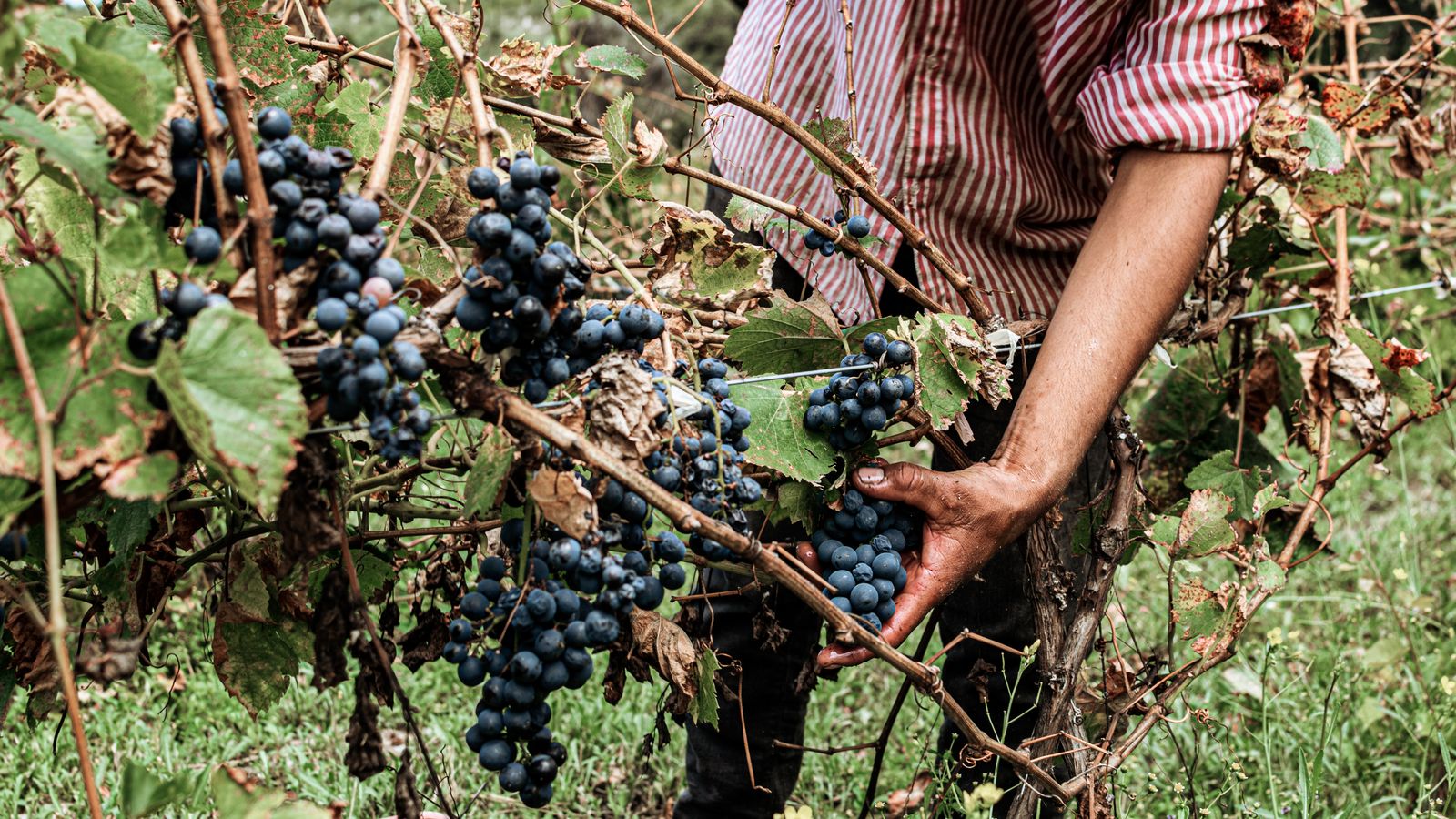
The first step isn't memorizing appellations, but understanding what shapes a wine's taste. The same grape variety planted in two different places will produce two different wines, because the soil, climate, sun exposure, and the winemaker's craft all come into play before the bottle is even opened. Every location has a unique flavor, which is what makes our wine heritage so rich.
You should know that two habits accelerate learning more than any amount of reading: keeping a tasting journal (noting the grape variety, region, aromas, acidity, and tannins for every wine tasted) and tasting in a group to compare your impressions with others. These practices will help you significantly improve your understanding and knowledge of wine. If there is only one thing to remember about learning wine, it is that theory is not enough; repetition is what refines the nose and the palate.

Basic vocabulary: grape variety, terroir, appellation, vintage
Four words come up in every conversation about wine, and knowing them immediately changes how you read a label:
- Grape variety : a type of vine (Chardonnay, Merlot, Syrah, etc.). A wine can be a single-varietal, made from one type of grape, or a blend, where several varieties are mixed together.
- Terroir : the combination of soil, climate, and exposure of a specific plot, which directly influences the taste of the grapes grown there.
- Appellation : the geographical area and the set of production rules associated with a wine (Chablis, Sancerre, Bordeaux, etc.).
- Vintage : the year the grapes were harvested, as indicated on the label.
This vocabulary will allow you to converse with your peers more fluently and professionally. Now, let's look at the wine families you should know.
3 major wine families to know
Still wines
These are still wines, produced solely through the alcoholic fermentation of grapes. They account for the majority of global production and generally have an alcohol content between 11% and 15% ABV.
Sparkling wines
What they all have in common is a second fermentation that produces carbon dioxide. It is the location of this secondary fermentation that distinguishes the methods used and, to a large extent, the price.
Fortified wines
In this process, neutral alcohol (grape brandy) is added to stop fermentation. As a result, the grape sugar is not entirely converted into alcohol, leaving some sweetness on the palate. This produces wines between 15% and 22% ABV, often sweet, which can be kept for several weeks once opened.
Production follows the same basic framework regardless of the type: harvesting the grapes, destemming (separating the berries from the stems), crushing to release the juice, alcoholic fermentation (where yeast converts sugar into alcohol), often a malolactic fermentation for red wines to soften acidity, pressing, and finally aging in tanks or barrels before bottling. It generally takes nearly a year from harvest to the first tasting.
The three-step tasting method: appearance, nose, palate
Tasting a wine means observing it, smelling it, and then tasting it, in this precise order:
- Appearance (the visual stage) provides information about the wine's age, its alcohol content, and sometimes its geographical origin. You look at its clarity, color, and intensity.
- Nose (the olfactory stage) reveals the grape variety and helps detect any potential flaws. There are generally three families of aromas: primary aromas, which come directly from the grape and variety; secondary aromas, linked to fermentation; and tertiary aromas, which develop during aging and maturation.
- Palate (the gustatory stage) allows you to judge the wine's balance (between acidity, alcohol, sugar, and tannins) and its overall quality, particularly the length on the palate after swallowing.

One final tip: only fill your glass one-third of the way. This leaves enough space to swirl the wine and release its aromas before smelling it.
Practical example: a step-by-step white wine tasting
Here is how these three steps work in a real-world scenario, tasting a Petit Chablis blind:
- In terms of appearance, the wine is clear and bright, pale yellow with green highlights, with pale intensity and a fluid viscosity, which already points toward a young, likely dry wine from northern France.
- On the nose, the aromas are immediate, dominated by citrus (lemon, grapefruit), a signature compatible with several grape varieties: Pinot Gris, Riesling, or Chardonnay.
- On the palate, a marked liveliness (acidity) balanced by the smoothness of the alcohol, with a nice length, points more toward a Chardonnay.
- Tasting conclusion: a dry, young white wine, likely a Chardonnay from Burgundy or the Loire.
- Label verification: it was indeed a Burgundy Chardonnay, AOC Petit Chablis, 2018 vintage.
This example shows that with a method and some practice, it is possible to identify a wine without seeing the label, even without aiming for the level of a professional sommelier right from the start.
How can you improve your wine knowledge?
The regular practice remains the foundation for everything else. Organizing tastings with friends or participating in sessions led by professionals allows you to compare your impressions with others and expand your olfactory memory, which is only built by smelling and tasting repeatedly.
The oenology courses provide a framework that solitary practice cannot offer. You learn about grape varieties in a structured way and refine your tasting method alongside a professional, which prevents you from repeating the same mistakes for years.
For times when you don't have a bottle on hand, reading takes over. Three books are frequently recommended for beginners: Le vin c'est pas sorcier by Ophélie Neiman, written for newcomers with simple vocabulary and illustrations; Vinographie by Fanny Darrieussecq, structured with infographics; and Mon cours d'accords mets & vins by Fabrizio Bucella, for learning about food and wine pairings. You can also find pairing suggestions directly in the Oeni wine cellar management app, which helps you better understand how wine works and manage your bottles optimally.
Finally, the vineyard tours connects everything else. Seeing the vines, talking with winemakers, and tasting on-site grounds theory in a specific terroir in a way that no course or book can truly replace.
FAQ
How long does it take to learn about wine? The basics (vocabulary, tasting methods, major wine families) can be acquired in a few weeks of regular practice. Refining your palate to recognize grape varieties and regions in a blind tasting, however, requires years of practice.
Do you need a special palate to learn how to taste wine? No. Tasting is a skill that can be trained like any other: the more you taste while paying attention to the three stages (appearance, nose, palate), the more precise your sensory vocabulary becomes.
What type of wine should I start with to practice? There is no strict rule, but tasting several different grape varieties in a short amount of time (for example, during a comparative tasting) helps you distinguish their respective characteristics better than tasting a single wine in isolation.
Good to know:
The best way to get better at tasting is to write down what you taste: colour, nose, palate, and above all what you thought of it. Over time, your notes reveal your preferences far better than any guide. In Oeni, every bottle in your cellar has its own tasting sheet, ready to fill in within seconds.