Summarize this article with
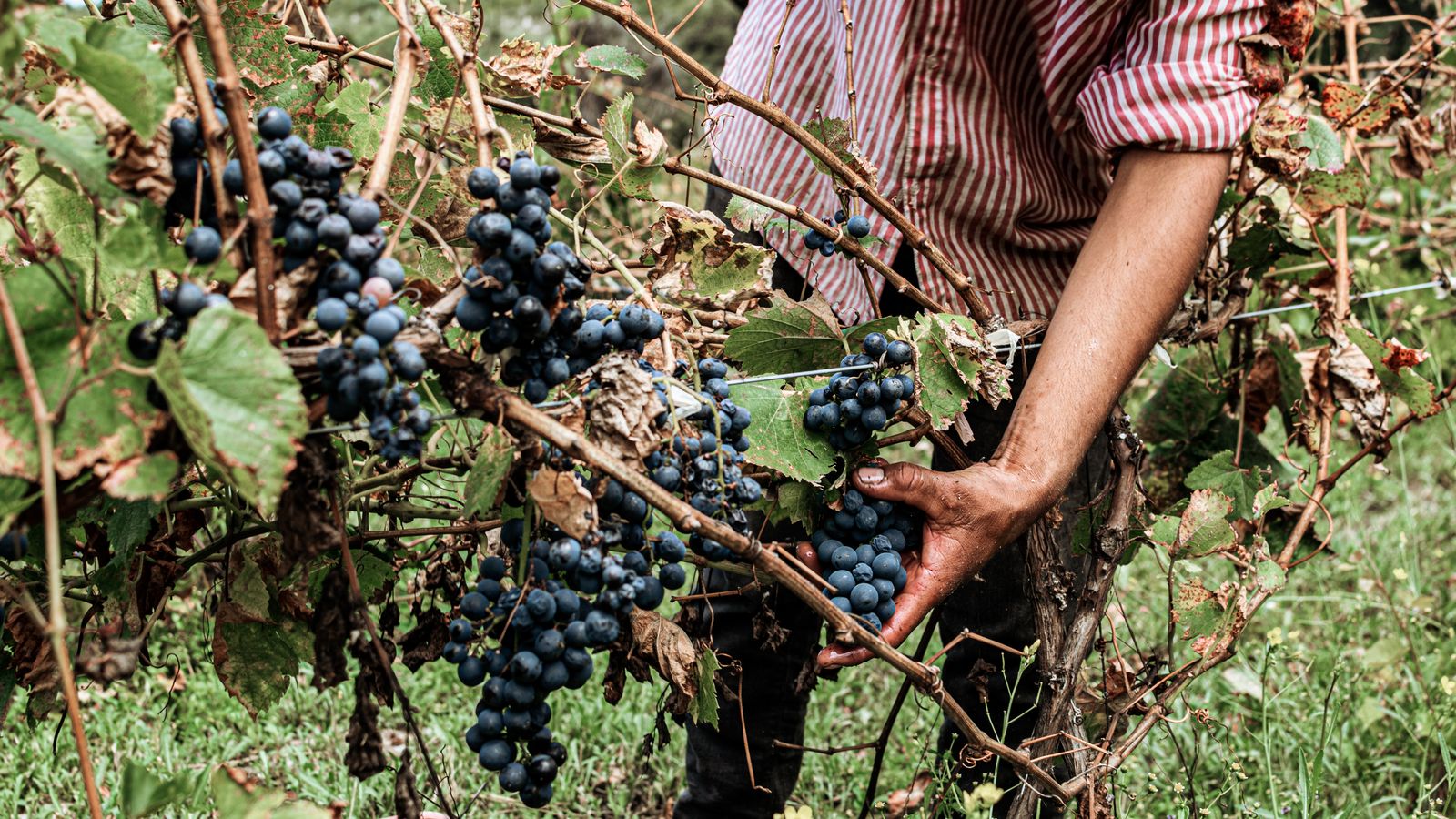
The harvest is the moment when everything is decided for the vintage. It is not a date fixed on the calendar: it is a technical decision, one that every winegrower fine-tunes day by day as they watch the grapes evolve. Picking five days earlier or five days later means choosing between two different wines from the very same plot. Here is how that decision is made, region by region, and what it changes in your glass.
The harvest date: a decision, not an appointment
In France, the harvest generally runs from late August to mid-October, depending on the region, the grape variety and the vintage. At the scale of a single estate, however, the useful window is far shorter: often around ten days during which the grapes are closest to the balance the winegrower is looking for.
Historically, the "ban des vendanges" (the official harvest proclamation) set the date from which picking was permitted within an appellation. Today, in most regions, that proclamation is little more than a guideline: it is the winegrower who decides, plot by plot, based on what they observe and what they taste.
The harvest calendar in France, region by region
The calendar follows the sun: the south and the early-ripening varieties open the season, and the sweet wines close it. The ranges below are average benchmarks, which a hot summer can bring forward by two to three weeks.
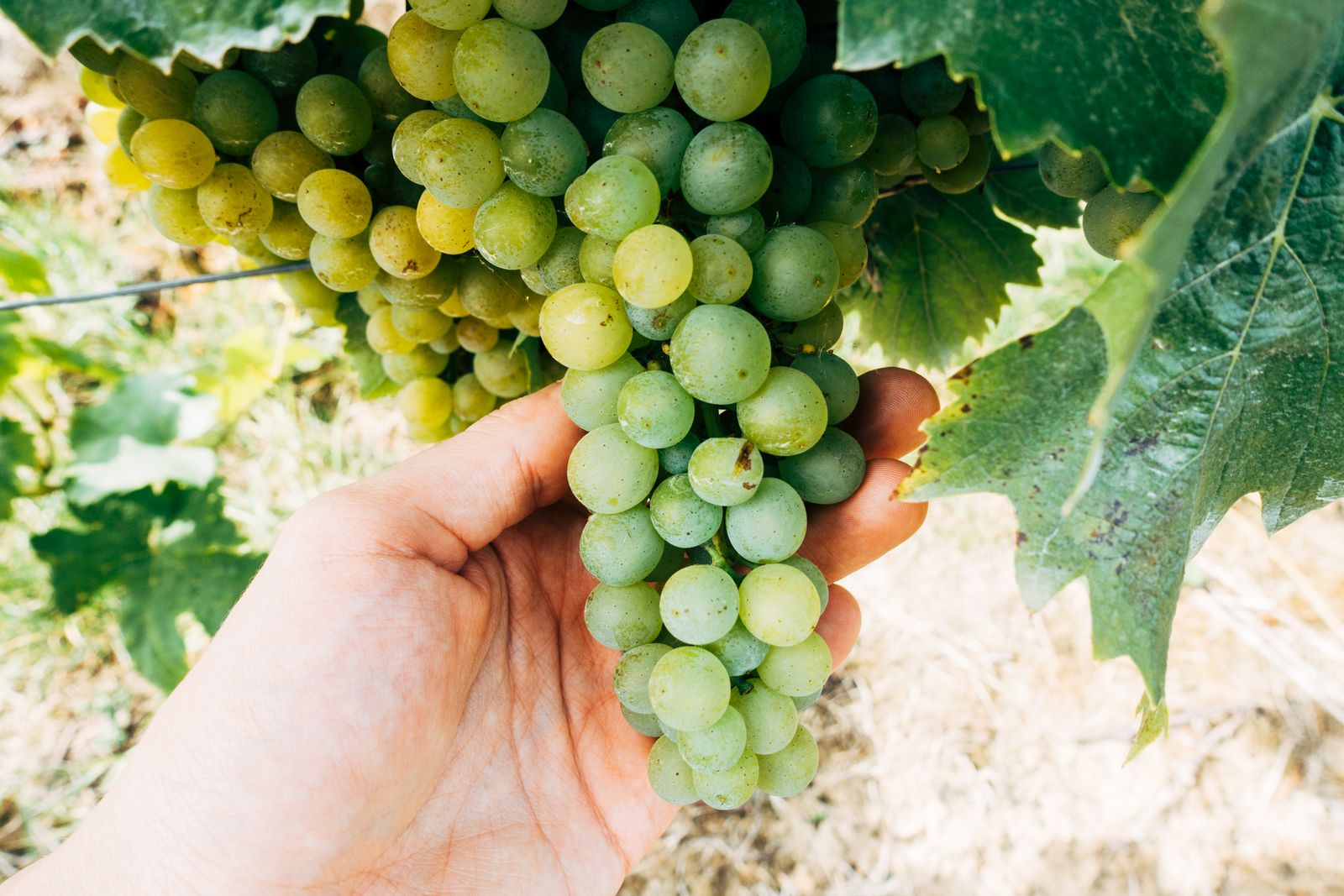
- Languedoc-Roussillon and Provence: from mid-August for whites and rosés, through to late September for late-ripening reds such as Mourvèdre.
- Rhône Valley: late August in the south (Châteauneuf-du-Pape), September in the north (Côte-Rôtie, Hermitage).
- Champagne: late August to mid-September. Grapes are picked early and by hand here, to keep the acidity that sparkling wines depend on.
- Burgundy and Beaujolais: early to late September, as Chardonnay and Pinot Noir ripen quickly.
- Bordeaux: from early September for dry whites and Merlot to early October for Cabernet Sauvignon.
- Loire: September for dry whites and reds, October for the sweet Chenins.
- Alsace: mid-September to mid-October, with late-harvest wines sometimes picked in November.
- Sauternes and the sweet wines: October, or even November, in successive passes to pick only the botrytised berries.
Within a single appellation, two estates can therefore be several days apart, depending on the exposure of their plots and the style they are after.
The harvest calendar among the five largest producers
Depending on the year, the world's five largest producers are Italy, France, Spain, the United States and Argentina, with Australia and Chile close behind. In the northern hemisphere, the harvest takes place between August and October. In the southern hemisphere, the seasons are reversed: picking runs from February to April, which makes Argentina the country that harvests the "same" vintage six months before France.
- Italy, the world's largest producer in most years. The season opens as early as mid-August in Sicily and Puglia, with early-ripening varieties and sparkling base wines, continues in September in Tuscany (Sangiovese) and Piedmont (Barbera, Dolcetto), and ends in October with the Nebbiolo of Barolo, one of the latest-ripening varieties in Europe (see our guide to the great Italian wines and their leading regions). Grapes destined for Amarone are picked in September and then dried for several months before vinification.
- France. From mid-August in the Languedoc and Provence to mid-October for Bordeaux Cabernet Sauvignon and Loire Chenins, with the sweet wines of Sauternes and the late-harvest wines of Alsace running into November. Champagne picks early, from late August to mid-September, to preserve acidity.
- Spain, the world's largest vineyard by area. The harvest begins in early August in Jerez and Andalusia for the whites destined for sherry, reaches Catalonia and the Penedès (cava base wines) in late August, then Rioja and Ribera del Duero in September and October, where Tempranillo is often picked after the first cool days of autumn. High-altitude vineyards and Galicia bring up the rear in October.
- United States, where California accounts for around 80% of production. The first bunches come in as early as mid-August in the Central Valley and for sparkling base wines. Napa and Sonoma harvest from late August for Chardonnay and Pinot Noir through to late October for Cabernet Sauvignon, often at night to keep the grapes cool. Oregon and Washington State follow in September and October. To go further: California wines, a wealth of terroirs.
- Argentina, the largest producer in the southern hemisphere. In Mendoza, home to most of the country's vineyards, the harvest runs from late January for whites and sparkling base wines to late April for Malbec and Cabernet from the high-altitude plots of the Uco Valley, where ripening is slower. The national harvest festival, the Fiesta de la Vendimia, takes place in early March in Mendoza. Our wine tour of Argentina, from Mendoza to the Andes has more.
Two reference points for the other major countries: Chile and Australia also harvest from February to April, South Africa from late January to late March, and Germany, far to the north, often until late October for Riesling.
An Argentine or Chilean wine from the 2026 vintage is therefore already in the cellar by the time France begins to pick its own. And variety for variety, Cabernet Sauvignon is almost always the last one in, whatever the country.
What happens inside the grape as it ripens
From véraison, the moment in midsummer when the berries change colour, the grape enters its ripening phase. Three parameters evolve in parallel, and not always at the same pace.
Sugar rises, acidity falls
As ripening progresses, the grape accumulates sugar, which will become alcohol during fermentation. At the same time, it loses acidity: the plant consumes malic acid, especially in hot weather. A grape picked early therefore gives a livelier, fresher wine with a more moderate alcohol level. A grape picked late gives a rounder, more concentrated wine with more alcohol.
Technological ripeness
The point of balance between sugar (measured in degrees Brix) and the grape's total acidity has a name: technological ripeness. It is the most widely used benchmark for setting the harvest date. The winegrower samples berries across several rows, presses the juice and measures the sugar with a refractometer, then the acidity and pH in the laboratory. Tracked every two or three days, these curves show when the grapes are approaching the target profile.
Phenolic and aromatic ripeness
Sugar does not tell the whole story. The tannins in the skins and seeds, along with the aromas, ripen on their own schedule. A grape can be rich in sugar while its seeds are still green and astringent. That is why winegrowers taste the berries: a skin that tears easily, brown and crunchy seeds, pulp that comes away cleanly from the seed are all signs of phenolic ripeness. In hot years, the gap between technological and phenolic ripeness is often the real headache of the harvest.
Picking early or late: two styles of wine
A few days are enough to tip the profile of a wine one way or the other. Here, in broad strokes, is what the harvest date changes.
Early harvest
- Acidity: High, taut and lively wine
- Alcohol: Moderate
- Aromas: Fresh fruit, citrus, herbaceous notes
- Tannins (reds): Firmer, sometimes green
- Ageing potential: Often carried by acidity
- Typical styles: Sparkling wines, crisp whites, fresh reds
Late harvest
- Acidity: Lower, supple wine
- Alcohol: Higher
- Aromas: Ripe fruit, jammy notes, spice
- Tannins (reds): Softer and rounder
- Ageing potential: Often carried by concentration
- Typical styles: Powerful reds, opulent whites, sweet wines
Neither choice is better than the other. The winegrower aims for a balance that suits their terroir, their grape variety and the style of their estate.
Why two neighbouring estates harvest two weeks apart
Two neighbouring estates, growing the same grape variety, can harvest two weeks apart. Each is aiming for a different balance between freshness and power, and several other factors come into play.
- The grape variety. Early-ripening varieties such as Chardonnay or Pinot Noir are generally picked before later-ripening ones such as Cabernet Sauvignon or Mourvèdre, which need more warmth and more time to reach full ripeness.
- The terroir. A south-facing slope ripens before a cooler plot on the plain, and a free-draining soil before a clay soil. Even within a single village, the date can vary by several days from one plot to the next.
- The intended style. For a sparkling wine, you want acidity and a low alcohol level, so you pick early. For an age-worthy red or an opulent white, you wait for full aromatic ripeness.
- The weather. Forecast rain can bring the harvest forward to avoid dilution and rot. A hot end to the summer speeds up the rise in sugar and pushes the date earlier.
- Logistics. Hand-picking or machine harvesting, the size of the crews, the capacity of the winery: the harvest also has to be physically possible at the chosen moment.
How the winegrower makes the call
In the weeks leading up to the harvest, monitoring ripeness becomes a ritual. In practice, it combines:
- Regular berry sampling from each plot, to measure sugar, acidity and pH.
- Tasting the berries in the vineyard, to assess the skins, the seeds and the aromas.
- Reading the ten-day weather forecast, which can change everything.
- A picking order for the plots, from earliest to latest, often adjusted the evening before for the following day.
This timetable explains why the harvest lasts several weeks on a single estate, and why every vintage bears the mark of the choices made at that moment.
By hand or by machine, by day or by night
Once the date is set, there is still the question of how. That, too, influences the style of the wine.
Hand-picking makes it possible to sort on the vine, to pick whole bunches and to transport them uncrushed in small crates. It is compulsory in Champagne and for most sweet wines, and favoured for age-worthy cuvées and whole-bunch vinification. It requires large crews and costs several times more per hectare.
The harvesting machine shakes the vines to make the berries fall, and they are then sorted at the winery. It allows for fast picking, sometimes an entire plot in a single night, which is invaluable when rain is threatening or ripeness is about to tip over. Modern machines, fitted with on-board sorters, deliver a far cleaner harvest than they did twenty years ago.
Night harvesting has become widespread in the south and for whites and rosés. Picked between 2 a.m. and 8 a.m., at 12 to 15 °C instead of 30 °C, the grapes arrive cool at the winery: less oxidation, more aromas preserved, and less need to chill the tanks. It is a quality choice as much as an energy saving.
Late harvest: when waiting becomes a style
Waiting well beyond ripeness means seeking concentration. On the vine, the grape dehydrates and its sugar concentrates: this is passerillage, or on-vine drying. When the fungus Botrytis cinerea takes hold in the right conditions, "noble rot" concentrates sugars and aromas even further while adding its notes of honey and candied fruit. The winegrower then harvests in successive passes, berry by berry, sometimes into November.
These late harvests give the great sweet wines of Alsace, Sauternes, the Loire and Jurançon. The risk is real: autumn rain can turn noble rot into grey rot and ruin the crop. To go further, read our article on late-harvest wines, their characteristics and how they are made, and our tasting of a Gewurztraminer Vendanges Tardives from Marcel Deiss.
Recognising the harvest date in the glass
Without knowing the exact date, an attentive taster can often guess whether a wine comes from an early or a late harvest. A few pointers:
- Acidity. Lively salivation and an impression of tension and freshness point to an early harvest or a cool vintage.
- Alcohol. Warmth on the finish, an ample texture and a stated alcohol level above 14% point to a late harvest or a hot vintage.
- Fruit. Citrus, green apple, blackcurrant and bell pepper for early harvests; ripe black fruit, fig, prune and jam for late harvests.
- Tannins in reds. Firm and slightly drying on one side, soft and well-coated on the other.
A good exercise: taste two vintages of the same wine, one from a cool year and one from a hot year, and record your impressions in the Oeni tasting sheet. After a few bottles, your preferred style will start to emerge.
What it means for your cellar
Understanding the harvest date helps you read a vintage. A warm, early year gives richer wines, often best enjoyed young. A cool, late year gives more taut wines, which may need a few years in the cellar to open up.
In the Oeni wine cellar management app, every bottle is tracked with its vintage and its drinking window. Now is a good time to check which wines in your cellar are ready to drink, and which deserve a little more patience. And if you open a wine from the 2026 harvest in a few years' time, you will know why it tastes the way it does.
Did you know? "Taking the wine away"
The word vendange (harvest) comes from the Latin vindemia, formed from vinum (wine) and demere (to take away). To harvest is, quite literally, to take the wine from the vine.
Frequently asked questions about the harvest date
When does the harvest take place in France?
Depending on the region and the vintage, from late August in the south and for early-ripening varieties to mid-October for late-ripening varieties and the harvest of sweet wines. Hot years bring the calendar forward.
What is the technological ripeness of a grape?
It is the point of balance between sugar (degrees Brix) and the grape's total acidity. In most cases, this is the benchmark that sets the harvest date.
Why are grapes for sparkling wine picked earlier?
Because the aim is high acidity and a moderate alcohol level, to preserve freshness after the second fermentation in the bottle.
Is a very sweet grape necessarily ripe?
No. Phenolic ripeness (tannins, seeds, aromas) follows its own rhythm. A grape can be rich in sugar while its seeds are still green, especially in hot summers.
What is the "ban des vendanges"?
It is the official opening date of the harvest within an appellation, once set by the local authority to prevent picking too early. It still exists in several regions, but it is now no more than a guideline: each winegrower chooses their date based on their own ripeness checks.
Why harvest at night?
To pick cool grapes, at 12 to 15 °C, which oxidise less and keep their aromas better during transport and pressing. It has become common practice in the south of France for whites and rosés.
Hand-picking or machine harvesting: what difference does it make to the wine?
Hand-picking makes it possible to sort on the vine and keep whole bunches, which matters for sparkling wines, sweet wines and some age-worthy vinifications. The machine is faster and allows picking at the ideal moment, with sorting at the winery. Done well, both produce great wines.
Good to know:
The best way to get better at tasting is to write down what you taste: colour, nose, palate, and above all what you thought of it. Over time, your notes reveal your preferences far better than any guide. In Oeni, every bottle in your cellar has its own tasting sheet, ready to fill in within seconds.