Summarize this article with
Late harvest gives rise to exceptional wines. Picked well after the grapes reach classic ripeness, the fruit gains aromatic concentration. This technique produces a sweet wine rich in flavor and complexity. Winemaking follows a specific process, adapted to the unique character of these clusters.
If you’re interested in articles about the wine world, download our app on iOS or Android. It gives you access to our wine glossary, our articles, and our innovative solution, designed for every wine consumer and collector.
Understanding Late Harvest
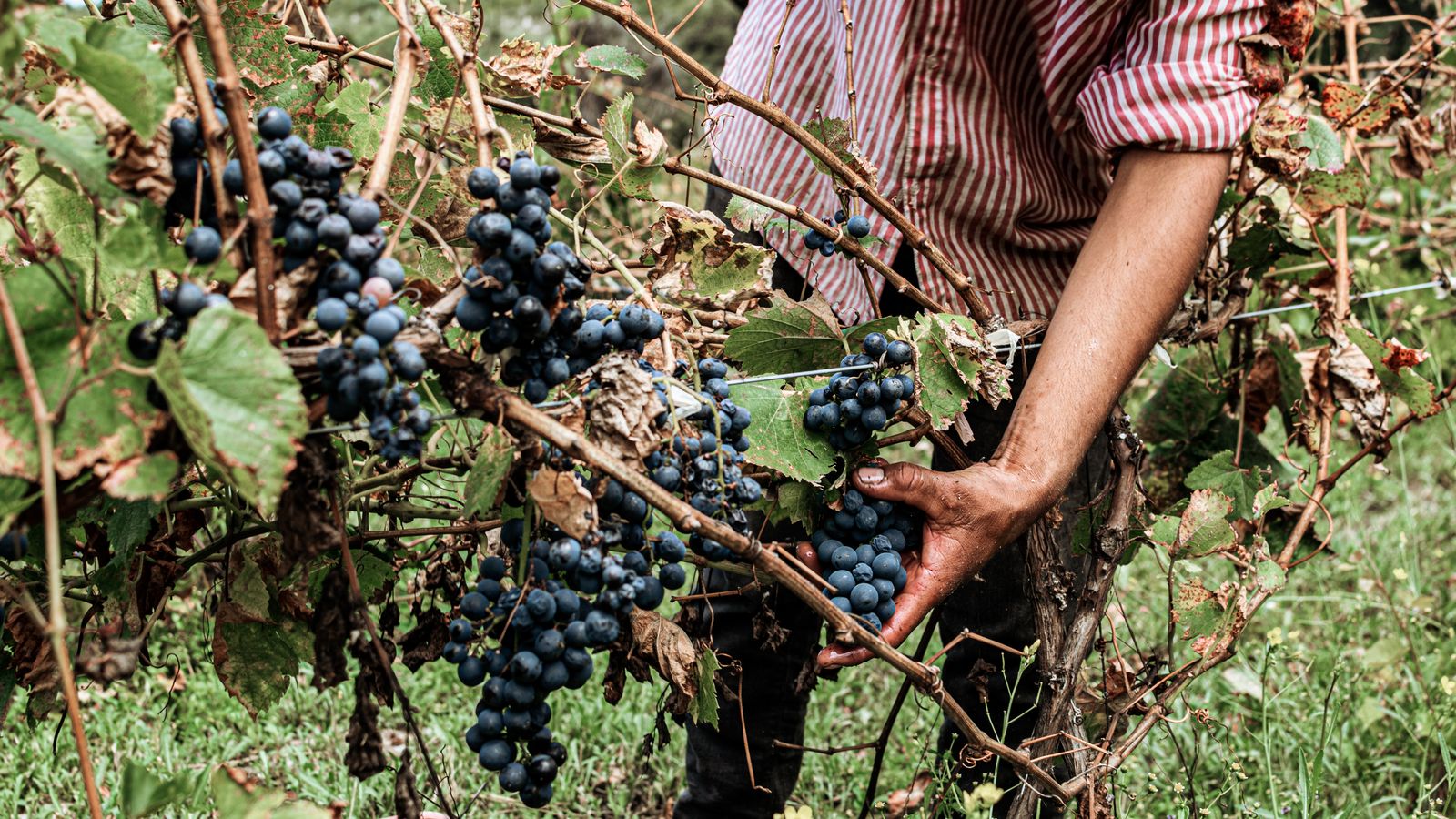
Late harvest means picking the grapes several weeks after they reach optimal ripeness. This extra time allows for natural over-ripening. The berries build up more sugar and develop intense aromas. In some regions, producers even wait for noble rot to appear. This evolution concentrates the flavors even further, delivering an exceptional sweet wine.
The Grape Varieties Best Suited to This Style of Wine

The choice of grape variety has a major impact on the style of late-harvest wine. In Alsace, Gewurztraminer and Riesling dominate. In the Southwest, Petit Manseng brings exotic notes. Some Loire wines use Chenin Blanc for its freshness. Each grape variety reacts differently to over-ripening and botrytis. This choice shapes the aromatic identity of the future sweet wine.
The Ideal Climate Conditions
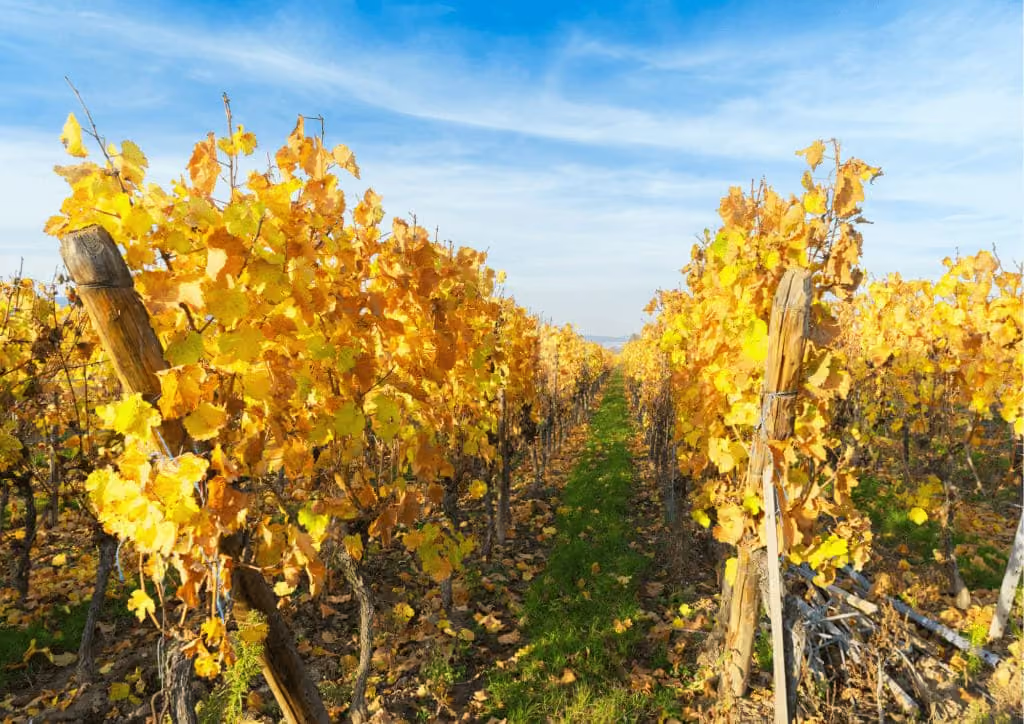
A successful late harvest depends heavily on the climate. Sunny days and cool nights encourage sugar concentration. A dry autumn helps prevent unwanted disease. Some areas deliberately seek noble rot to enrich the winemaking process. Conditions must remain stable to preserve the quality of the grapes.
How Over-Ripening Shapes the Aromas
Over-ripening concentrates the sugars, but it also changes the aromatic structure. Sweet wines made from late harvest offer notes of honey, candied fruit, and spice. Some show delicate floral touches. The balance between sweetness and acidity remains essential. Too much sugar without freshness throws everything off balance.
The Key Stages of Winemaking
Winemaking begins with a careful hand harvest. The grapes must be picked at exactly the right moment, sometimes in several passes. Fermentation moves slowly, because the high sugar concentration slows the yeasts down. Careful aging, often in oak, refines the texture of the sweet wine.
The Sweet Wine Styles You Can Get
Not all late-harvest sweet wines taste the same. Some are lush and syrupy. Others favor finesse, with marked acidity. The final style depends on the grape variety, the terroir, and the winemaking choices. This diversity appeals to a wide audience of wine lovers who enjoy sweetness and elegance.
The Ideal Food and Wine Pairing
A sweet wine made from late harvest pairs beautifully with foie gras. Blue-veined cheeses make another outstanding match. Fruit desserts or almond-based pastries also bring out the best in this style of wine. Careful winemaking ensures a balance that avoids any sense of heaviness.
The Iconic Late-Harvest Regions

Alsace is one of the benchmarks for late harvest in France. The Southwest and the Loire also produce great sweet wines. Internationally, Germany excels in this style, especially with Riesling. Each terroir brings its own personality to the winemaking process.
Storing Late-Harvest Sweet Wines
A sweet wine made from late harvest often ages very well. Its high sugar content acts as a natural preservative. Over time, the aromas evolve toward greater complexity. A proper wine cellar helps preserve the careful work that went into the winemaking.
A Tradition That Still Appeals Today
Late harvest combines ancestral know-how with modern adaptation. Winegrowers keep innovating in winemaking to suit today’s tastes. This style appeals through its aromatic intensity and its versatility at the table. The grape variety, terroir, and climate shape each cuvée in a unique way.
If you enjoyed this article, don’t hesitate to read the next one, "Why has wine become a symbol of conviviality?", which may also interest you!
Good to know:
The best way to get better at tasting is to write down what you taste: colour, nose, palate, and above all what you thought of it. Over time, your notes reveal your preferences far better than any guide. In Oeni, every bottle in your cellar has its own tasting sheet, ready to fill in within seconds.