Summarize this article with
Wine tourism in Argentina is winning over more and more travelers. The country is packed with spectacular landscapes and a wide range of wine terroirs. Among them, the Mendoza wine route remains the most famous.
If articles about the world of wine interest you, download our app on iOS or Android. It gives you access to our wine glossary, our articles, and our innovative solution, designed for every wine consumer and collector.
Mendoza, Argentina’s wine capital
Located in the west of the country, Mendoza produces more than 70% of Argentina’s wines. The region enjoys a dry climate, steady sunshine, and poor but well-drained soils. These conditions give the grapes exceptional quality, especially malbec, the country’s signature grape.
The city of Mendoza makes an excellent starting point. It offers plenty of tours, local agencies, and specialist guides. The city center is full of restaurants, urban wine cellars, and wine shops. Within minutes, you can reach the first bodegas in the valley.
The Luján de Cuyo Valley: between tradition and prestige
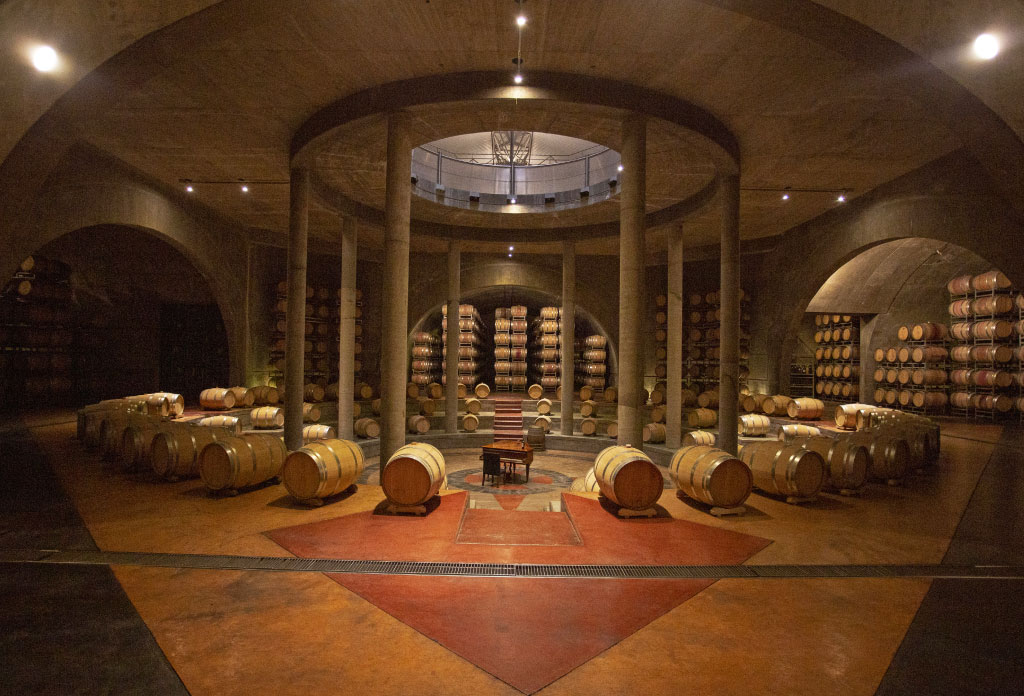
South of the city, Luján de Cuyo is one of malbec’s historic homes. Many century-old bodegas open their doors to visitors here. Colonial architecture blends with modern facilities, often set in sumptuous gardens.
Tastings in this area offer a classic snapshot of Argentine malbec: deep color, intense black fruit, velvety tannins. But other grapes such as cabernet sauvignon, bonarda, and chardonnay also have their place here.
The Mendoza wine route becomes, here, a journey through the country’s wine history. It helps you understand the foundations of Argentina’s wine success.
Maipú: authenticity and craftsmanship
East of Mendoza, Maipú offers a more artisanal experience. Small family-run estates dominate this area. Some cellars still work the old-fashioned way, with manual presses and traditional winemaking methods.
It’s an ideal stop for travelers looking for authenticity. Cycling remains a popular way to explore this part of the Mendoza wine route. You can alternate between tastings, vineyard walks, and meetings with producers.
Wine takes on a more human, more intimate dimension here. You discover rare labels, often unavailable for export.
The Uco Valley: altitude and modernity

As you head up toward the Andes, the Uco Valley impresses with its wild beauty. Vines climb to 1,500 meters above sea level, creating ideal conditions for wines of remarkable purity. The climate is cooler here, with sharper day-night temperature swings.
Here, Argentine wines gain in finesse, minerality, and freshness. Malbec develops floral notes, sometimes with a hint of mint. The whites surprise with their vibrancy, especially mountain sauvignons and chardonnays.
Many modern bodegas have sprung up here. They combine contemporary design, sustainability, and fine dining. This is an essential stop for lovers of high-altitude wine and exceptional scenery.
Wine tourism experiences for every taste
Wine tourism in Argentina isn’t limited to classic tastings. Many cellars offer immersive experiences. Harvest workshops, food and wine pairing lunches, horseback rides, and cooking classes are often on the program.
Some bodegas organize picnics in the vines or dinners under the stars. You can enjoy the majestic backdrop of the Andes while discovering Argentine wines. These moments strengthen the bond between nature, wine, and local culture.
The Andes’ influence on the wines
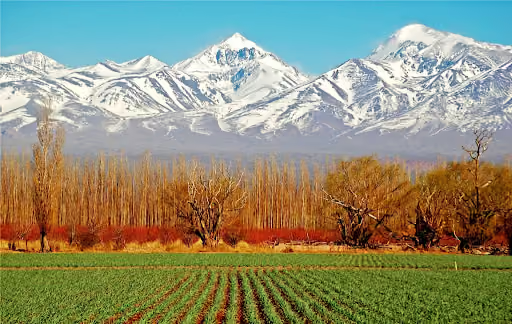
The Andes mountain range plays an essential role in Argentine viticulture. It provides irrigation water from the glaciers. It protects the vines from humid winds coming off the ocean. It also creates a range of terroirs depending on altitude and exposure.
This diversity allows for a remarkable range of styles. A low-altitude malbec feels sunnier and more powerful. A high-altitude malbec becomes more elegant and more structured. This variety is one of the great strengths of Argentine wines.
When should you go on a wine tour in Argentina?
The best time to visit Mendoza runs from October to April. Temperatures stay pleasant, the vines are active, and the cellars are buzzing. In March, the harvest festival draws visitors from around the world.
It’s best to book your visits in advance, especially for the larger bodegas. Some cellars only welcome guests by appointment. Arranging a local guide can make it easier to move between wine regions.
You can explore the Mendoza wine route by car, by bike, or with a private driver. Organized tours let you visit several estates in a single day.
Taste the local cuisine
Wine isn’t meant to be enjoyed on its own. Wine tourism in Argentina places a strong emphasis on gastronomy. Cellars often offer menus built around local produce: empanadas, grilled meats, Andean vegetables, and regional cheeses.
Asados (Argentine barbecues) are among the must-try experiences. A fleshy malbec pairs perfectly with a wood-fired beef rib. The pairings are simple but spot-on, and they add to the warmth of the moment.
Take the flavors home with you
Argentine wines are gaining international recognition. But some cuvées are still reserved for the local market. Make the most of your trip to buy directly from the estate. Some bottles, impossible to find elsewhere, are well worth the detour.
Check customs rules before you head home. You can often travel with a few bottles in your checked luggage without any trouble. Bodegas also offer special packaging to protect your purchases.
If you enjoyed this article, don't hesitate to read the next one, "The world’s most creative wine bottles", which may also interest you!
Good to know:
The best way to get better at tasting is to write down what you taste: colour, nose, palate, and above all what you thought of it. Over time, your notes reveal your preferences far better than any guide. In Oeni, every bottle in your cellar has its own tasting sheet, ready to fill in within seconds.