Summarize this article with
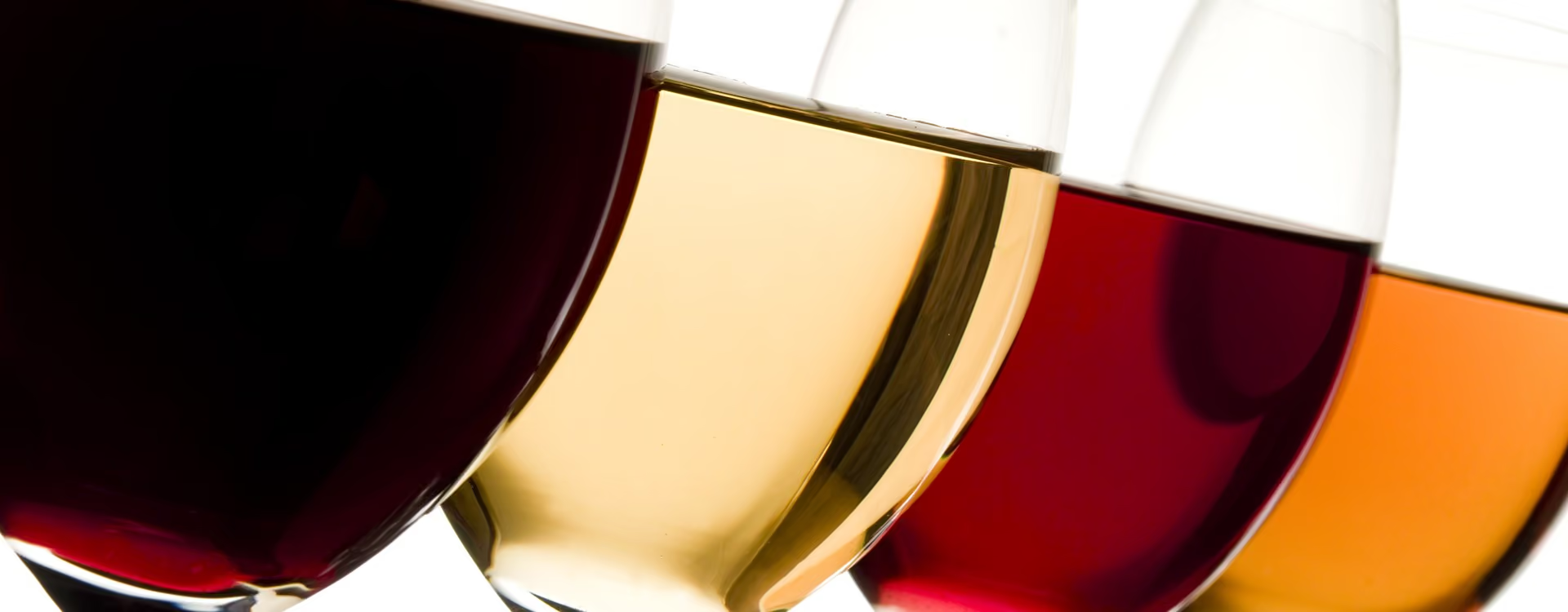
Wine color is an essential clue to its grape variety, winemaking process, and aging potential. Some wines show a deep, almost black appearance, while others reveal a light, translucent hue. What explains these differences?
Let’s dive into the secrets of the different types of wine and discover the impact of grape ripeness on the color of the nectar.
The Influence of Grape Varieties on Wine Color
Not all grapes produce the same wine color. Some grape varieties contain more pigments, giving rise to darker wines.
Grape Varieties Rich in Anthocyanins
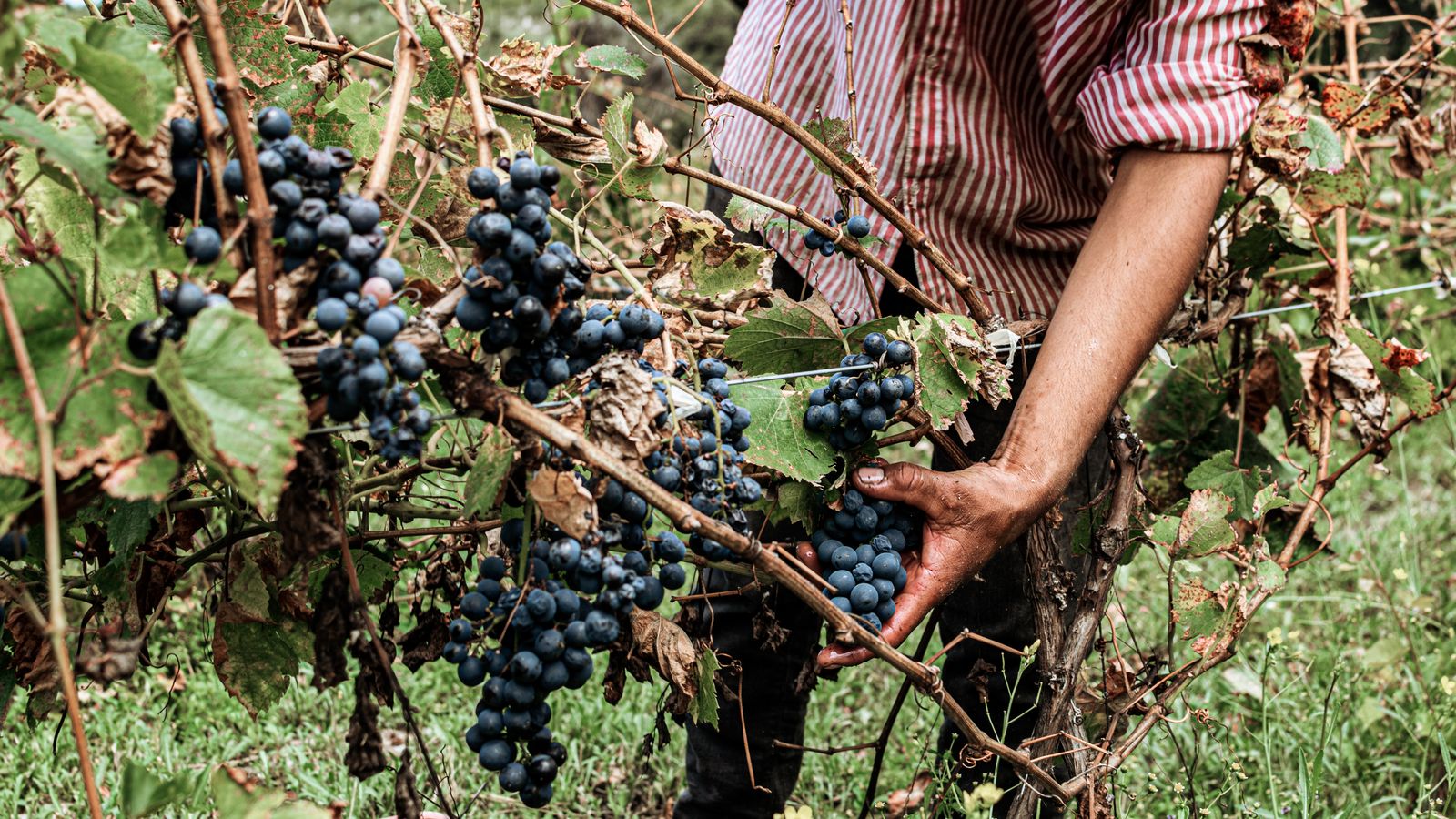
Anthocyanins are natural pigments responsible for the red and violet tones in wine. The more a grape contains, the darker the wine will be.
- Cabernet Sauvignon : known for its deep color and violet highlights.
- Syrah : produces almost black wines with spicy notes.
- Malbec : known for its dark red wines with purple highlights.
- Tannat : offers a dense color and a high concentration of tannins.
By contrast, grape varieties like Pinot Noir or Gamay produce lighter, more translucent red wines.
The Impact of Grape Ripeness on Wine Color
Grape ripeness plays a major role in the color intensity of wine.
- Early-harvested grapes : they contain fewer pigments and produce lighter wines.
- Fully ripe grapes : they concentrate anthocyanins and tannins, resulting in a darker appearance.
- Overripe grapes and late harvests : they push pigment concentration even further, especially in some full-bodied red wines.
Climate conditions also influence this ripening. In warm climates, grapes build more color than they do in cool climates.
The Role of Winemaking in Wine Color
The Length of Maceration
During winemaking, the length of maceration of the skins in the juice determines color intensity.
- Short maceration (a few days) : produces light red wines like some Gamay.
- Long maceration (several weeks) : yields darker, more tannic wines, such as those made from Cabernet Sauvignon or Syrah.
Pigment Extraction
Several techniques can enhance wine color:
- Punching down : pushing the solid parts of the grapes down into the juice to extract more color.
- Pumping over : sprinkling the cap of skins with juice to intensify pigment extraction.
- Hot maceration : speeding up the dissolution of anthocyanins in the must.
Some winemakers also choose to age their wine in oak barrels, which can darken the appearance over time.
How Color Evolves with Age
A wine doesn’t keep its original color forever. Over time, it changes in noticeable ways.
- Dark red wines lighten : over the years, they move from purple to ruby, then take on brick-red and orange tones.
- Light red wines oxidize more quickly : grape varieties with fewer anthocyanins lose their color faster.
Cellar aging management also plays a role. Proper storage limits oxidation and allows wines to age gracefully.
Why Are Some White Wines Darker?
While wine color is often discussed in relation to reds, white wines can also show a wide range of shades.
- Young, fresh whites : they’re usually pale, with green or golden highlights.
- Aged or oxidized whites : they take on golden, even amber, tones over time.
Some white wines fermented in oak barrels or given a long maceration, such as orange wines, develop a more intense appearance.
Mistakes to Avoid When Reading Wine Color
Many people think a darker wine is automatically better or more powerful. That’s not always true.
- A light-colored wine isn’t necessarily light-bodied : some Pinot Noir or Nebbiolo wines are pale but have remarkable aromatic intensity.
- A dark wine doesn’t guarantee better aging : a wine rich in color can still age poorly if it lacks acidity and balance.
Observing color is a useful clue, but it should be paired with an analysis of the aromas and taste.
Conclusion
Wine color is shaped by several factors: grape variety, grape ripeness, winemaking techniques, and aging. It offers valuable clues about a wine’s style and evolution, but it shouldn’t be your only point of assessment.
By looking closely at a wine’s appearance, you can already sense part of its character and tasting potential.
If you enjoyed this article, feel free to read the next one, "How to Recognize a Good Wine on a Budget", which might interest you too!
Good to know:
The best way to get better at tasting is to write down what you taste: colour, nose, palate, and above all what you thought of it. Over time, your notes reveal your preferences far better than any guide. In Oeni, every bottle in your cellar has its own tasting sheet, ready to fill in within seconds.