Summarize this article with
Champagne, France’s iconic sparkling wine, owes its reputation to its diversity and complexity. Among the many distinctions that define it, vintage Champagnes hold a special place. But what exactly is a Champagne vintage, and how do these variations influence the wine’s flavor and quality?
What Is a Champagne Vintage?

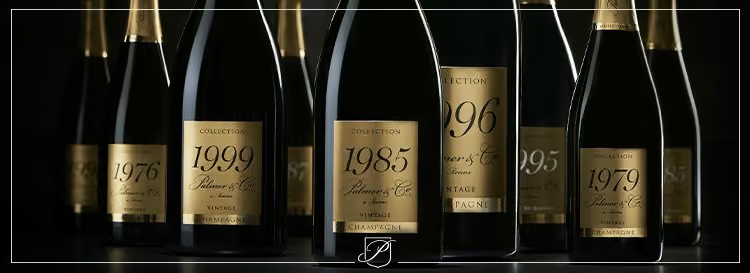
In Champagne, a vintage refers to an exceptional harvest year. Unlike non-vintage Champagnes, which blend grapes from several years to ensure consistency in taste, vintage Champagnes come exclusively from grapes harvested in a single year. They’re produced only when weather conditions have allowed for a harvest of remarkable quality. That rarity adds to their prestige.
Each vintage tells a unique story, shaped by climate variations and the producer’s choices. For example, a 2008 vintage is prized for its bright acidity and aging potential, while a 2012 is known for its balance and aromatic richness. These qualities make vintage Champagnes especially sought after by Champagne lovers.
The Factors That Shape Vintage Champagne
Climate
Climate plays an essential role. A favorable year, with optimal sunshine and a harvest free from bad weather, produces perfectly balanced grapes. By contrast, spring frosts or excessive rain can compromise the quality of the crop, making a vintage impossible to produce.
Terroir
Terroir, with its distinctive chalky soils, also influences the wine’s aromas and minerality. Differences between parcels bring subtle nuances from one vintage to the next.
Grape Varieties
The grape varieties used, mainly Chardonnay, Pinot Noir, and Pinot Meunier, largely determine Champagne’s style. For example, a Chardonnay-dominant vintage will feel fresh and elegant, while a Pinot Noir-rich vintage will offer more powerful red-fruit aromas.
The Differences Between Vintage and Non-Vintage Champagne
Vintage Champagnes stand out for their uniqueness. They reflect the specific conditions of a given year, offering a one-of-a-kind tasting experience. These wines often have longer aging potential, allowing them to develop complex aromas over time.
Non-vintage Champagnes, on the other hand, are made for immediate enjoyment. They guarantee consistency in taste, regardless of the year of purchase. Their blend of grapes from multiple years helps maintain a steady quality, even if the experience is less singular than that of a vintage Champagne.
How Do You Choose a Champagne Vintage?

Choosing a vintage depends on several factors, especially your personal taste and the occasion. If you’re looking for a Champagne to pair with a meal, it’s important to consider the menu.
Young Vintages
A young vintage, with its freshness and citrus notes, pairs beautifully with seafood or grilled fish.
Aged Vintages
By contrast, an older vintage, with aromas of brioche and hazelnut, will elevate richer dishes such as poultry in sauce or lobster.
Great Years
The reputation of the harvest year is also an important criterion. For example, 2002, 2008, and 2012 are recognized as exceptional years in Champagne. If you’re just starting to explore vintage Champagnes, these years are an excellent place to begin.
The Great Champagne Houses and Their Vintages
Some Champagne houses are especially renowned for their vintages. Dom Pérignon, for example, produces only vintage Champagnes, with each cuvée paying tribute to an exceptional year.
Bollinger, with its rich and structured style, favors vintages with a high proportion of Pinot Noir, offering powerful and complex wines. Krug, meanwhile, is known for its sophisticated vintages, combining freshness with aromatic depth. Finally, Pol Roger charms with the elegance and balance of its vintages, perfect for pairing with refined meals.
Tips for Storing and Tasting a Vintage Champagne
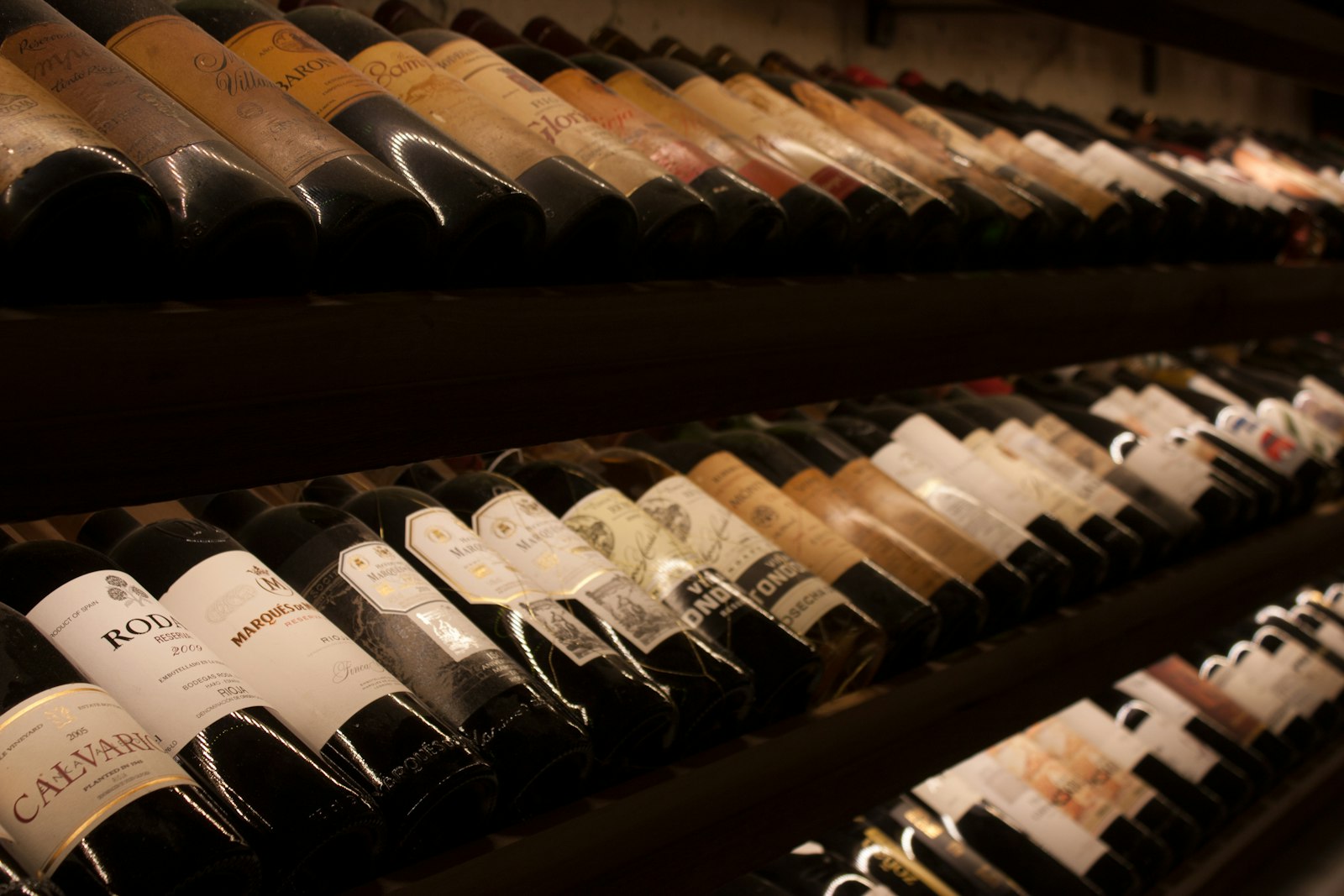
To enjoy a vintage to the fullest, it’s crucial to follow a few storage and tasting rules. Store your bottles in a cool, dark place, ideally between 10 and 12 °C. Keeping them on their side is recommended so the cork doesn’t dry out.
When tasting, serve Champagne at the right temperature. Young vintages are best enjoyed between 8 and 10 °C, while older vintages reveal their aromas at a slightly higher temperature, between 10 and 12 °C. Use a white wine glass rather than a traditional flute to better appreciate Champagne’s aromatic complexity.
Conclusion
Vintage Champagne is much more than just sparkling wine. It embodies the essence of an exceptional year, reflecting the terroir, the climate, and the expertise of the winegrowers. By understanding the differences between vintages, you’ll be able to make an informed choice and enrich your tasting experiences.
If you enjoyed this article, don’t hesitate to read the next one, "How to Choose a Wine Based on Its Vintage", which might interest you too!
Good to know:
The best way to get better at tasting is to write down what you taste: colour, nose, palate, and above all what you thought of it. Over time, your notes reveal your preferences far better than any guide. In Oeni, every bottle in your cellar has its own tasting sheet, ready to fill in within seconds.