Summarize this article with
Cooperative wineries are a cornerstone of French viticulture. They bring winegrowers together around a shared passion. By pooling resources, they uphold collective know-how and quality production.
If articles about the wine world interest you, download our app on iOS or Android. It gives you access to our wine glossary, our articles, and our innovative solution, designed for every wine consumer and collector.
The History of Cooperative Wineries in France
The first cooperative wineries appeared in the early 20th century. They emerged in a time of crisis. Isolated winegrowers struggled to sell their production. Cooperation then became a practical solution. It made it possible to pool equipment, winemaking, and sales. The model quickly won people over. It spread across every French wine region. Today, more than 50% of French collective wines come from a cooperative.
Languedoc: Cave de Castelmaure, an Inspiring Example
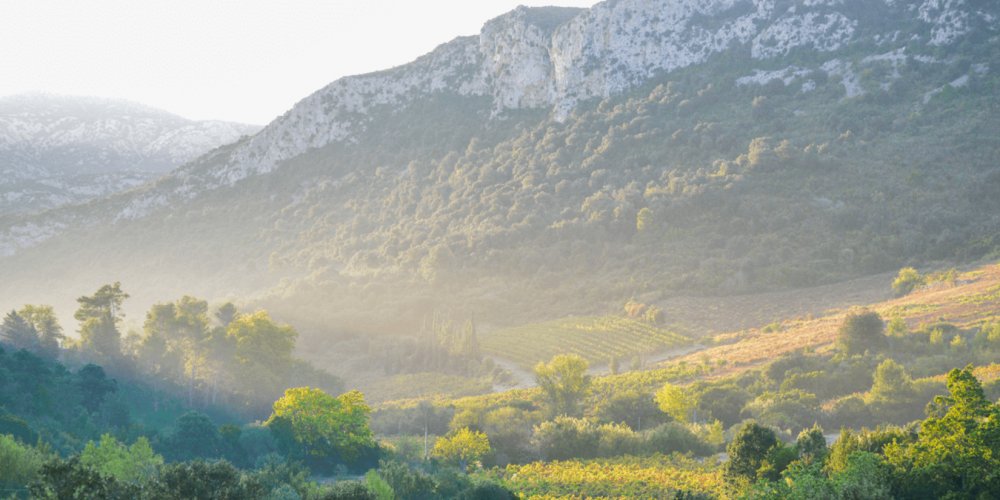
Head south, into the heart of the Corbières. Cave de Castelmaure brings together around sixty winegrowers. Founded in 1921, it stands out as a pioneer. It embraces innovation while respecting tradition. Thanks to rigorous parcel selection, it crafts acclaimed cuvées. The design of its labels also catches the eye. This model shows that cooperation and creativity can go hand in hand.
Rhône Valley: Cairanne, a Collective Success Story
In the Vaucluse, the Cairanne cooperative winery embodies excellence. It brings together more than 80 winegrowers. Together, they showcase the Côtes-du-Rhône Villages appellation. Each winegrower commits to a strict quality charter. The grapes are vinified with care. Unity makes it possible to produce complex, powerful wines. This success story shows the strength of the collective.
Bordeaux: Tutiac, a Cooperative Giant
Head to the banks of the Garonne with Les Vignerons de Tutiac. With more than 500 winegrowing families, it is one of the largest cooperative wineries in France. It covers a vast area of the Bordeaux vineyard. Tutiac never stops innovating. It focuses on sustainable agriculture and wine tourism. By integrating cutting-edge winemaking techniques, it strengthens the image of French collective wines in a region dominated by private châteaux.
Champagne: Nicolas Feuillatte, the Success of a Cooperative Brand
Champagne is often seen as a world reserved for the great houses. Yet the Nicolas Feuillatte brand comes from a cooperative structure. It brings together more than 5000 Champagne winegrowers. Every grower contributes to the house’s prestige. Thanks to this union, the cooperative offers a high-quality alternative to the major historic brands. It exports its cuvées to more than 80 countries. Its model is a fine example of collective success.
Alsace: Wolfberger, Tradition and Modernity
The Wolfberger cooperative winery, founded in 1902 in Eguisheim, now brings together more than 400 winegrowers. It plays a central role in promoting Alsace grape varieties. Wolfberger invests in high-performance equipment. It also develops an organic range. At the same time, it opens itself up to art and design, modernizing the image of French collective wines. This dynamic approach attracts a new generation of enthusiasts.
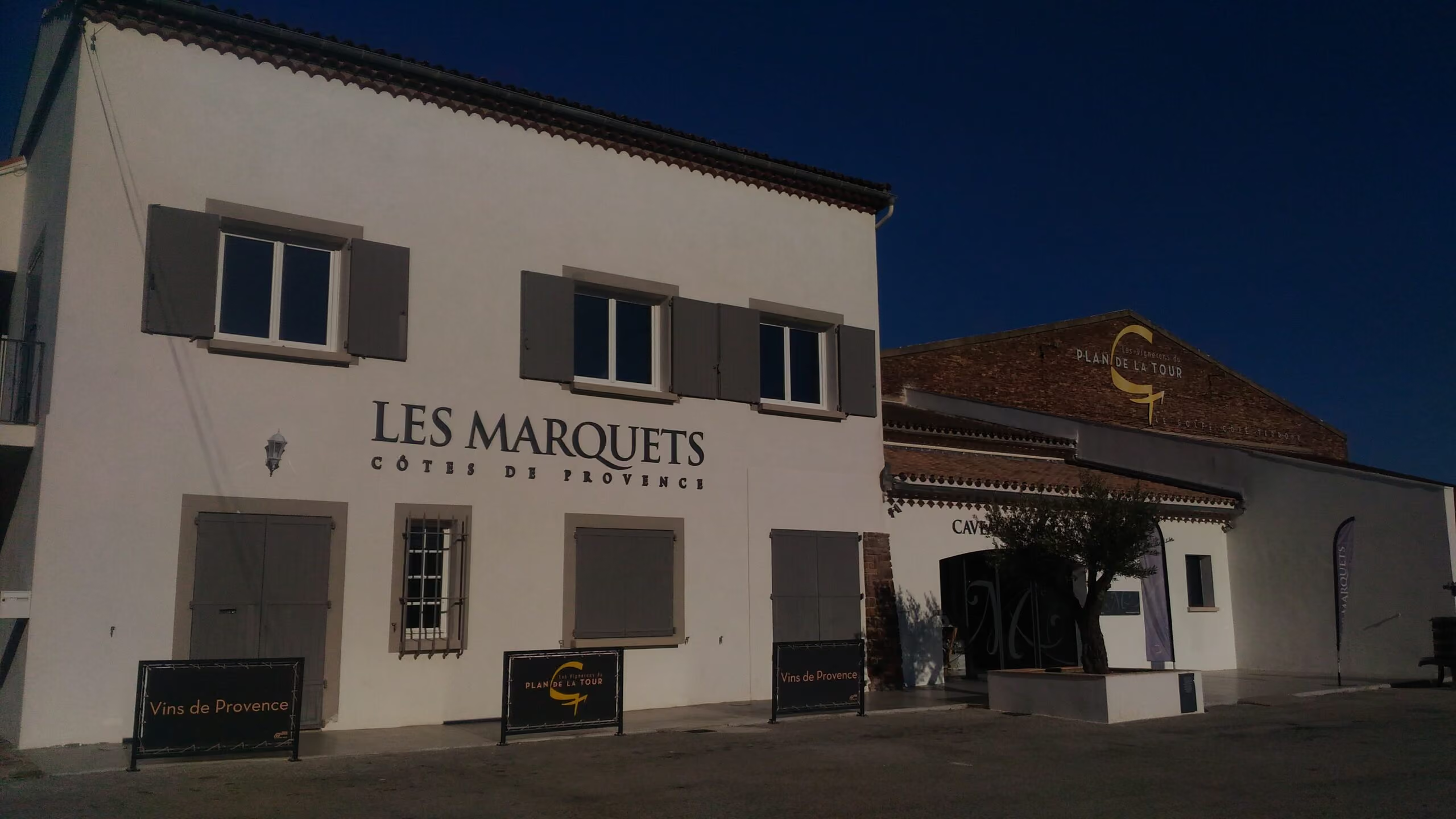
Provence: Vidauban Cooperative, a Rosé Benchmark
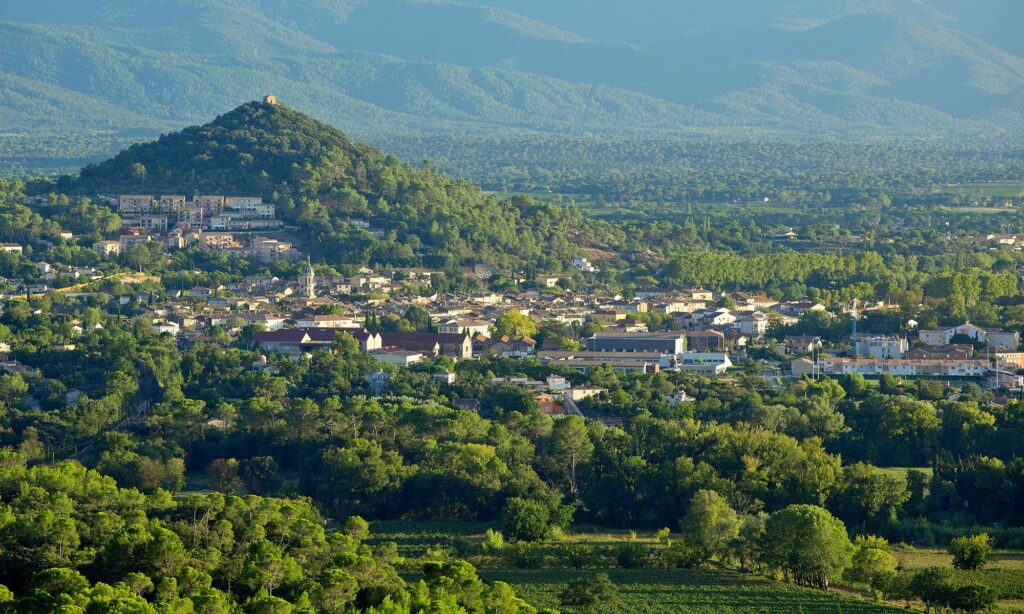
Right in the heart of the Var, the Vidauban cooperative winery specializes in Provence rosés. More than 180 winegrowers take part. Together, they produce elegant, fruit-forward cuvées. Their collective efforts focus on preserving soils and biodiversity. The winery also invests in modern facilities. It perfectly embodies a wine tour of France centered on quality.
Beaujolais: Château de Chénas Winery, Between Tradition and Renewal
In Beaujolais, the Château de Chénas winery brings together around fifty winegrowers. Together, they work with crus such as Chénas, Moulin-à-Vent, and Fleurie. The winery focuses on terroir expression. It also promotes sustainable farming. Thanks to collective work, it is restoring the prestige of Beaujolais wines.
Savoie: Cruet Winery, in the Heart of the Alps
Less well known, the Cruet cooperative winery sits at the foot of the mountains. It brings together around a hundred winegrowers. Together, they highlight local grape varieties such as Jacquère and Mondeuse. The Alpine climate gives the wines freshness and minerality. This cooperative model helps preserve Savoie’s winegrowing traditions.
Corsica: The Union of the Island’s Winegrowers
Corsican viticulture is also growing thanks to cooperative wineries. The island’s winegrowers’ union brings together several local cooperatives. Together, they showcase native grape varieties such as Niellucciu and Vermentinu. They invest in eco-responsible practices. This collective momentum allows Corsica to shine in the landscape of French collective wines.
The Role of Cooperative Wineries in Wine’s Future
Cooperative wineries must adapt to today’s challenges. Climate change is reshaping practices. Consumer demand is evolving. Digital tools are becoming essential in farm management. Faced with these changes, cooperation remains a powerful lever. It makes it possible to invest in research, pool efforts, and pass on collective know-how.
This wine tour of France reveals an unexpected richness. French collective wines reflect a lasting commitment. Behind every bottle lies a shared story. For consumers, that means a level of transparency and closeness often missing from large-scale production.
If you enjoyed this article, don’t hesitate to read the next one, "Discovering the Wines of Moldova", which may also interest you!
Good to know:
The best way to get better at tasting is to write down what you taste: colour, nose, palate, and above all what you thought of it. Over time, your notes reveal your preferences far better than any guide. In Oeni, every bottle in your cellar has its own tasting sheet, ready to fill in within seconds.