Summarize this article with
Pesticide-free wines are winning over more and more consumers in search of naturalness. But is this approach just a trend, or a real commitment to the environment and health?

The rise of zero-pesticide wines
A response to consumer expectations
Today, more and more wine lovers are looking for bottles made with respect for the environment. Eco-friendly wine meets that demand by guaranteeing grapes grown without synthetic products.
A strict set of standards
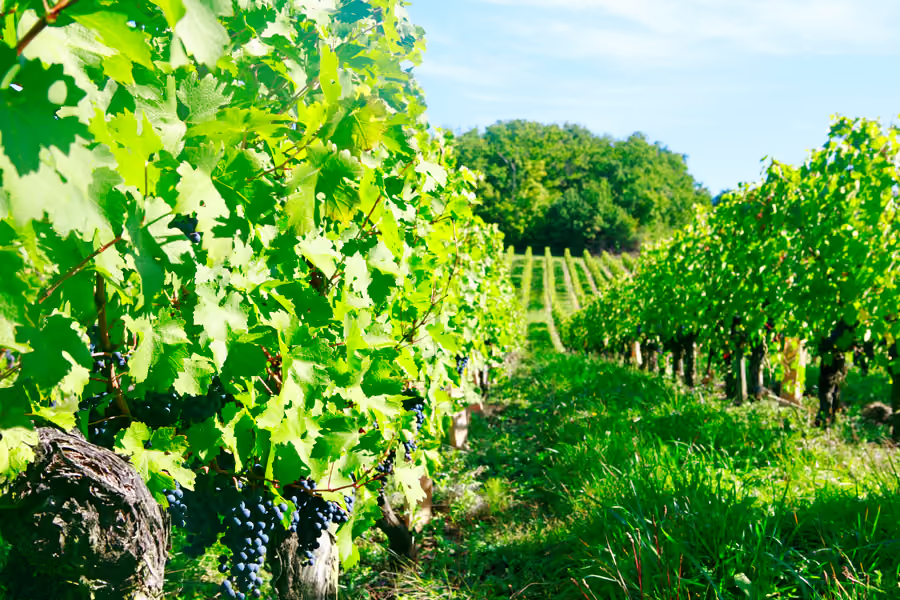
Contrary to popular belief, producing pesticide-free wine is about much more than simply avoiding chemical treatments. It requires rigorous practices from vineyard work all the way through winemaking. The absence of pesticides also means a commitment to preserving biodiversity and keeping the soil alive.
Organic and biodynamic farming: what are the differences?
Organic farming: a first step toward more natural wine
Wines made from organic farming must meet strict standards:
- No chemical pesticides or herbicides.
- Use of natural fertilizers.
- Winemaking with minimal additives.
This approach produces more authentic wines that reflect their terroir more clearly.
Biodynamics: a more holistic approach
Some winegrowers go even further with biodynamics, a practice based on respect for lunar cycles and the use of natural preparations. These techniques aim to strengthen the vineyard's natural balance in order to produce an exceptional eco-friendly wine.
The challenges of producing pesticide-free wine
Yields are often lower
One of the main obstacles to producing pesticide-free wine is lower yields. Without chemical treatment, the vine is more exposed to disease, which can affect the amount of grapes harvested.
Greater vigilance in the vineyard and cellar
Winegrowers committed to a zero-pesticide approach must anticipate climatic and biological risks. That means:
- Careful monitoring of each parcel.
- Using companion plants to repel certain harmful insects.
- Native yeasts for fermentation.
Labels to help you identify a zero-pesticide wine
Organic labels and environmental certifications
If you want to be sure you're buying an eco-friendly wine, several labels can help:
- AB (Agriculture Biologique): guarantees the absence of synthetic pesticides.
- Demeter and Biodyvin certify wines made using biodynamic methods.
- HVE (Haute Valeur Environnementale): encourages sustainable practices, but still allows certain treatments.
Zero-pesticide wine: a viable alternative for the future?
A reduced environmental impact
By limiting chemical inputs, organic vineyards encourage soil regeneration and the preservation of water resources. A major advantage for future generations.
A return to the wine's authentic flavor
Without chemicals, the grape fully expresses the specific character of its terroir. Lovers of eco-friendly wine appreciate these brighter cuvées, often less standardized than conventional wines.
Conclusion: a commitment to the future
Pesticide-free wines represent a significant step toward more sustainable viticulture and greater respect for the environment. While challenges remain, this approach reflects a strong commitment to protecting consumers' health and the planet.
If you enjoyed this article, don't hesitate to read the next one, "Why are some wines more expensive than others?", which might interest you too!
Good to know:
The best way to get better at tasting is to write down what you taste: colour, nose, palate, and above all what you thought of it. Over time, your notes reveal your preferences far better than any guide. In Oeni, every bottle in your cellar has its own tasting sheet, ready to fill in within seconds.