Summarize this article with
The history of wine isn’t limited to the vineyard and the cellar. It also stretches across great maritime expeditions and global markets. In the colonial era, wine became a strategic product. Its trade shaped sea routes, political relationships, and entire societies.
If you’re interested in articles about the world of wine, download our app on iOS or Android. It will give you access to our wine glossary, our articles, and our innovative solution, designed for every wine consumer and collector.
The Early Days of Colonial Wine Trade
As early as the 16th century, Europeans developed trading posts. Wine played an important role in these exchanges. Settlers exported barrels to the colonies to preserve their habits. This transport of wine strengthened the cultural link with the mother country. The wine sea route often followed the major routes already established for spices and sugar.
Wine Sea Routes and Their Strategic Role

Wine sea routes played an essential role in colonial organization. Ships carried wine to the Caribbean, Africa, and Asia. Return voyages brought back coffee, cocoa, or tobacco. These exchanges ensured steady profitability. Wine sometimes served as a medium of exchange in certain African ports. This circulation gave wine exports a universal value.
Wine Exports and the Colonial Economy
Wine exports didn’t benefit settlers alone. European merchants built true commercial empires. Bordeaux, La Rochelle, and Lisbon became strategic hubs. The history of wine then became intertwined with that of the great shipping companies. Every cargo represented a major economic stake. The profits from colonial trade strengthened royal coffers.
Wine as a Symbol of Prestige in Colonial Society
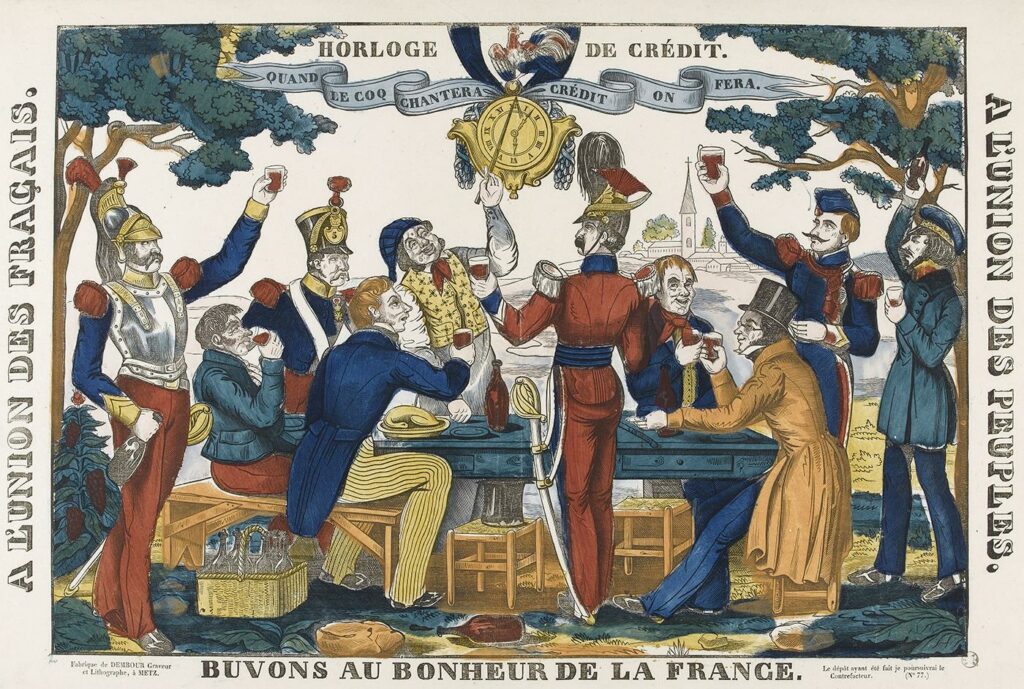
In the colonies, wine represented more than a drink; it became a symbol of social status. Colonial elites imported renowned wines to signal their power. Here, the history of wine reveals a social role as well as an economic one. Wine also introduced rituals of conviviality, reinforcing European prestige.
Innovations Driven by Colonial Wine Trade
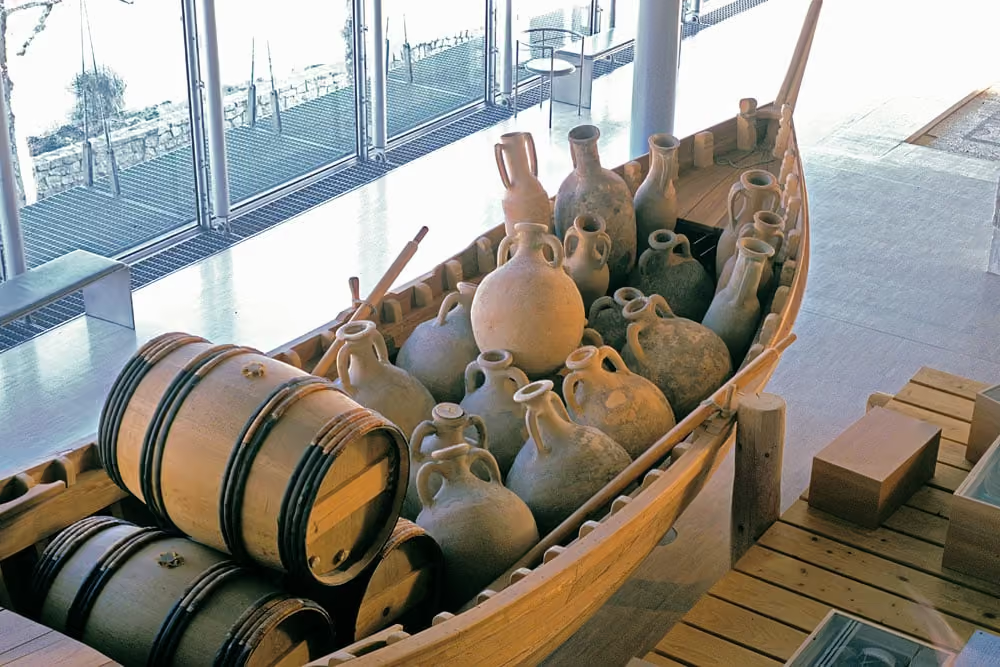
The growth of colonial wine trade spurred innovation. Cooperages refined barrels to withstand long journeys. Ships adapted their holds to better protect cargo. Producers began thinking about how to preserve wine for voyages lasting several months. The history of wine thus became a technological history as well.
Wine and the Triangular Trade
Wine found its place in the triangular trade. Ships left Europe loaded with wine, textiles, and weapons. In Africa, these goods were exchanged for enslaved people. They were then forced across the Atlantic. The ships returned loaded with sugar, coffee, and cotton. Wine’s role in this system illustrates the dark side of its history.
Wine Sea Routes to Asia
While the Caribbean held a major place, Asia also drew merchants. Routes to India or China sometimes carried European wine. Wine exports to these regions remained limited because of local tastes. But they allowed settlers and missionaries to preserve their customs. This circulation reinforced the idea of a universal product.
Colonial Wine Trade and Its Influence on Production
The rise of colonial wine trade changed production in Europe. Vineyards adapted to the needs of the colonies. Some simple, more resilient wines were made specifically for export. This direction influenced the history of wine, as it gave rise to massive volumes intended for transport. The notion of terroir sometimes took a back seat.
The Impact of Crises and Wars on Trade
Colonial wars often disrupted wine sea routes. Cargoes were captured by pirates or rival fleets. These risks spurred the development of marine insurance. Colonial wine trade then depended on military power struggles. The history of wine here blends with international conflict.
The Legacy of Colonial Wine Trade
Today, traces of this system are still visible. Historic ports like Bordeaux or Lisbon retain their prestige. The old wine sea routes explain certain lasting cultural ties. Wine remains a symbol of tradition, but also of globalization. The history of colonial wine reminds us of the beginnings of global trade.
If you enjoyed this article, don’t hesitate to read the next one, "How can you remember a wine you tasted 6 months ago with precision?", which might interest you too!
Good to know:
The best way to get better at tasting is to write down what you taste: colour, nose, palate, and above all what you thought of it. Over time, your notes reveal your preferences far better than any guide. In Oeni, every bottle in your cellar has its own tasting sheet, ready to fill in within seconds.