Summarize this article with
Tasting wine is about more than just drinking it. It’s an experience that engages several senses and improves with time. With the right wine tasting techniques, you’ll better appreciate its aromas, identify its qualities, and understand what makes it unique.
Why learn how to taste wine?
Tasting lets you analyze a wine from several angles and enjoy it to the fullest.
- Discover your personal preferences
- Choose your bottles more wisely
- Improve your food and wine pairings
- Share a convivial moment with other enthusiasts
By mastering wine tasting techniques, you’ll be able to identify a good wine and explain what makes it special.
The essential steps of wine tasting

1. Observe the wine’s appearance
Before tasting, examine the wine’s color and clarity.
- Tilt your glass over a white background to see the hue more clearly.
- Look at the brilliance: A clear, bright wine is often a sign of quality.
- Analyze the viscosity: Thick “legs” can indicate a wine with more alcohol or sugar.
A young red wine shows violet highlights, while an older wine shifts toward garnet. A white wine evolves from pale yellow to gold.
2. Smell the wine’s aromas
Your sense of smell plays a key role in how you experience wine.
- Without swirling: Smell the wine to identify its most volatile aromas.
- With swirling: Swirl the wine in the glass to release deeper aromas.
Aromas are grouped into three categories:
- Primary: Fruit, flowers, herbs, typical of the grape variety.
- Secondary: Buttery, brioche-like notes from fermentation.
- Tertiary: Leather, tobacco, wood, developed during aging.
3. Learn how to taste on the palate
The palate picks up several sensations:
- The attack: First impressions on the palate.
- The mid-palate: Balance between acidity, tannins, and alcohol.
- The finish: Aromatic persistence after you swallow or spit the wine.
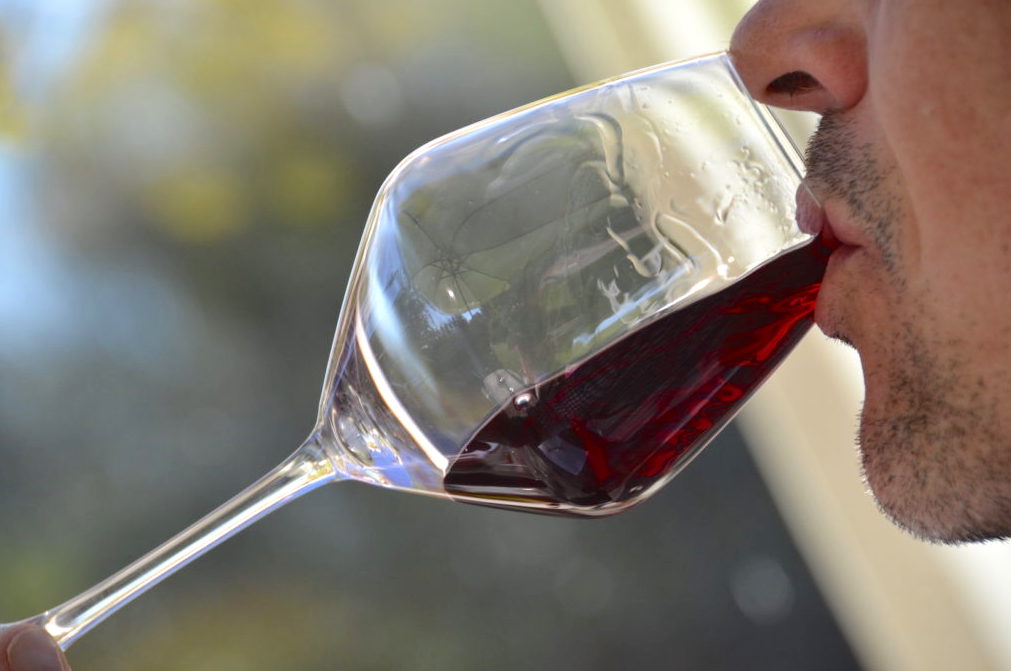
Let the wine move around your mouth so you can fully analyze its texture and flavors.
Mistakes to avoid when tasting wine
1. Drinking too quickly
Take the time to analyze each phase before swallowing the wine.
2. Ignoring serving temperature
A wine that’s too cold hides its aromas, while one that’s too warm makes the alcohol feel more pronounced.
3. Using the wrong glass
A tasting glass should taper slightly at the top to concentrate the aromas.
The essential accessories for tasting well
1. A good glass
The right glass highlights the wine’s aromas and structure.
2. A decanter
Some young wines need aeration to reveal their aromatic potential.
3. A tasting notebook
Taking notes helps you remember your impressions and sharpen your palate.
How can you improve your wine tasting?
1. Taste regularly
The more wines you taste, the more refined your perception becomes.
2. Vary the types of wine
Try different grape varieties, regions, and vintages to compare their profiles.
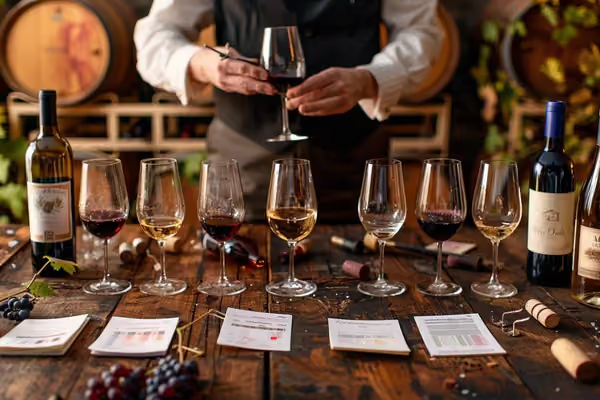
3. Take part in guided tastings
Classes and workshops let you learn from professionals.
Food pairings and wine tasting
A wine shines even more when it’s paired with the right dish.
- Dry white wine: Perfect with seafood or light dishes.
- Tannic red wine: Ideal with red meat.
- Off-dry wine: Elevates cheese and fruity desserts.
Conclusion: an experience to savor fully
Applying these wine tasting techniques will help you better understand and appreciate every bottle. Practice and curiosity are the keys to improving and refining your palate.
If you enjoyed this article, don’t hesitate to read the next one, "Fortified wines: Port, Sherry, and other delights to discover", which may also interest you!
Good to know:
The best way to get better at tasting is to write down what you taste: colour, nose, palate, and above all what you thought of it. Over time, your notes reveal your preferences far better than any guide. In Oeni, every bottle in your cellar has its own tasting sheet, ready to fill in within seconds.