Summarize this article with
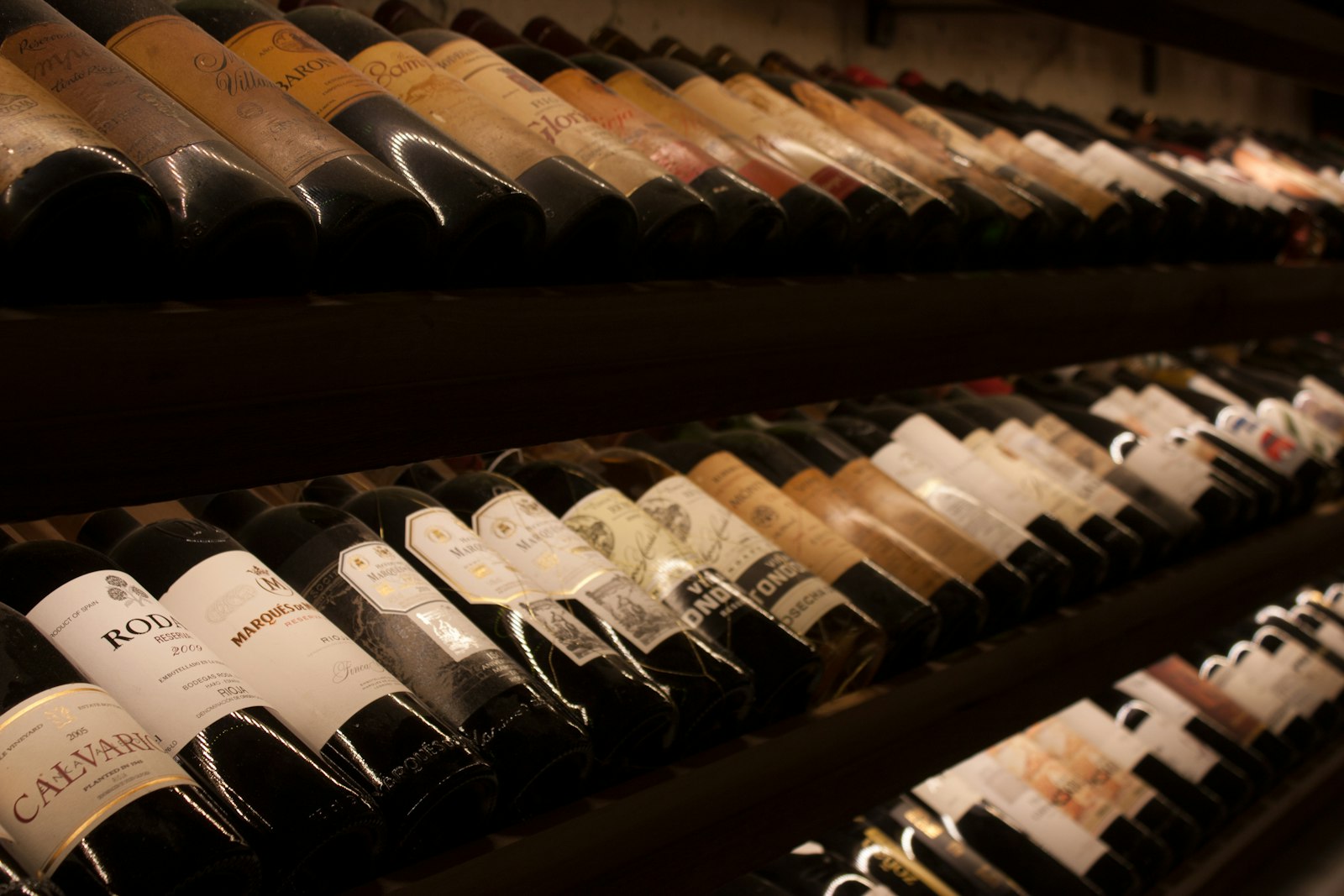
A wine label is more than just a bottle’s outer dressing. It plays a decisive role in the buying decision. Between visual strategy, legal information, and brand image, every detail is studied with precision. Understanding how labels work helps you read a wine more clearly and anticipate what’s inside the bottle.
Wine labels: a dual-purpose tool
A wine label serves two essential purposes. It informs the consumer about the product and acts as a marketing tool. Design, typography, and color choices all have a strong influence on how the wine is perceived. An elegant typeface evokes tradition. A modern visual appeals to a younger audience. Leading domaines carefully shape their wine marketing, because the label is the first visual contact with the customer. At the same time, the label must comply with strict standards set by wine regulations.
Mandatory information under wine regulations
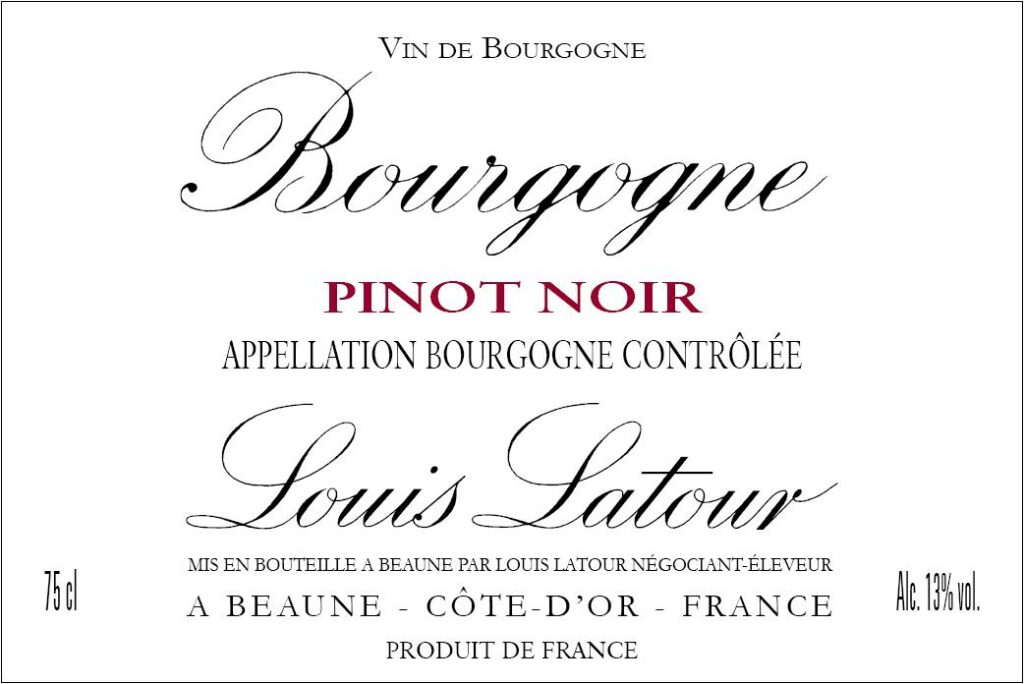
In France, as in the European Union, certain details must appear on every bottle of wine. The appellation name, alcohol content, volume, geographic origin, bottler name, and the presence of allergens are mandatory. These elements fall under current wine regulations. Other details, such as the vintage or grape variety, are not always required but are still highly valued. Respecting these rules helps avoid penalties and ensures transparency for consumers.
The impact of wine marketing on consumer choice
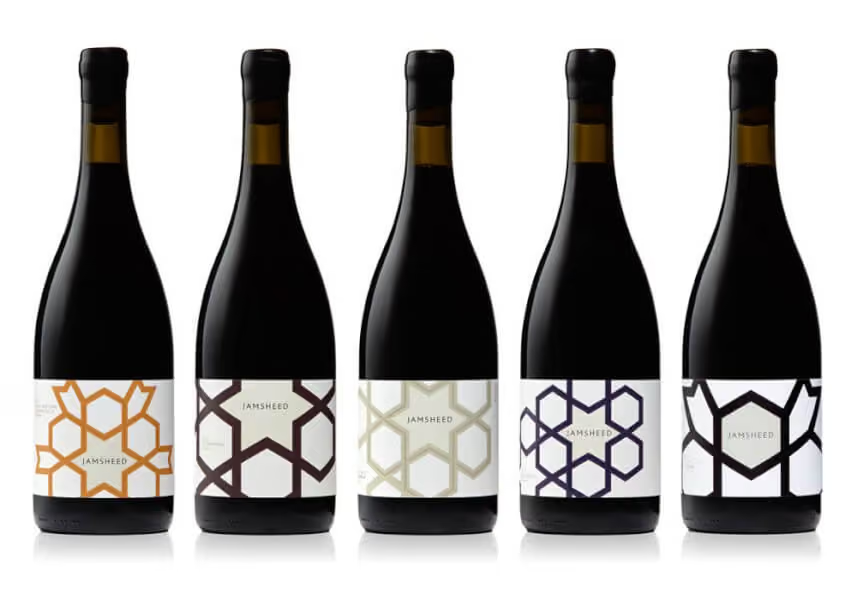
Wine marketing relies on visual psychology. A label should evoke the story of the domaine or the winemaker’s philosophy. High-end bottles often favor restraint. Organic or natural producers lean into raw, artisanal, or bold visuals. Younger ranges, meanwhile, opt for vivid colors and playful messaging. The goal remains the same: catch the eye and stand out on the shelf. The wine label thus becomes a true brand showcase.
Label styles and what they symbolize
Certain label styles match specific expectations. A traditional label with a coat of arms reassures a more conservative consumer. A minimalist label appeals to someone who loves clean design. A colorful graphic draws in curious readers who are tuned into trends. In every case, each domaine builds a wine-label strategy aligned with its identity. This consistency between visual style and wine quality strengthens trust and buyer loyalty.
Current trends in labeling
Wine marketing evolves with consumer habits. More and more winemakers are leaning into authenticity, transparency, and emotion. QR codes are appearing on back labels to offer more content: virtual estate tours, technical sheets, tasting tips. Others are innovating with recycled labels or plant-based inks. The aim is to highlight an ecological commitment while still respecting wine regulations.
Labels and controlled appellations
Wines classified under an appellation d'origine contrôlée (AOC) must meet precise criteria, including on their labeling. The AOC name must appear clearly. The same applies to IGP wines and Vin de France. Mentioning the grape variety, vintage, or winemaking conditions remains optional, but producers use these details as commercial selling points. The wine label thus becomes a guarantee of authenticity and origin, directly tied to wine regulations.
Pitfalls to avoid when reading a label
Some terms can be misleading. A mention such as “special cuvée” does not guarantee superior quality. The word “château” only carries weight in certain AOCs. You also need to distinguish true producers from négociants. Careful reading of the wine label helps you avoid marketing traps. Checking the origin, bottler, and type of wine helps you make an informed choice.
Toward global harmonization of regulations
Every country has its own labeling rules. But as exports continue to grow, wine marketing professionals are calling for more harmonized standards. Some want to simplify mandatory information or standardize pictograms for allergens and recycling. The goal is to make labels easier to understand and reduce translation errors, while still respecting local wine regulations.
Wine labels as a storytelling medium
One powerful trend in wine marketing is storytelling. The label becomes a narrative space. It tells the story of the domaine, the character of the terroir, or the winemaker’s philosophy. This kind of message appeals to consumers looking for authenticity. Natural wines and limited cuvées find an ideal space for expression here. This narrative dimension gives the wine label a new role, beyond its informational function.
The future of labeling in a connected world
Tomorrow, the wine label won’t just be physical. As digitalization advances, connected interactive labels are beginning to appear. They’ll give you access to videos, food and wine pairings, and tasting sheets. Wine marketing is gradually adopting digital tools to create a complete experience around the bottle. Wine regulations will also evolve to frame these new practices. Clarity, accessibility, and traceability remain the pillars of this revolution.
If you enjoyed this article, don’t hesitate to read the next one, "Which wine should you choose to pair with a saffron-based dish?", which might also interest you!
Good to know:
The best way to get better at tasting is to write down what you taste: colour, nose, palate, and above all what you thought of it. Over time, your notes reveal your preferences far better than any guide. In Oeni, every bottle in your cellar has its own tasting sheet, ready to fill in within seconds.