Summarize this article with
Technological innovation is shaking up the wine world. With the rise of synthetic wine, some researchers are exploring the possibility of making wine without growing a single vine. This approach raises plenty of questions. Can you truly reproduce the complexity of a grand cru? What are the challenges and stakes of such a revolution?
The Origins of Wine in the Lab: A Scientific Breakthrough
The Foundations of Wine Technology
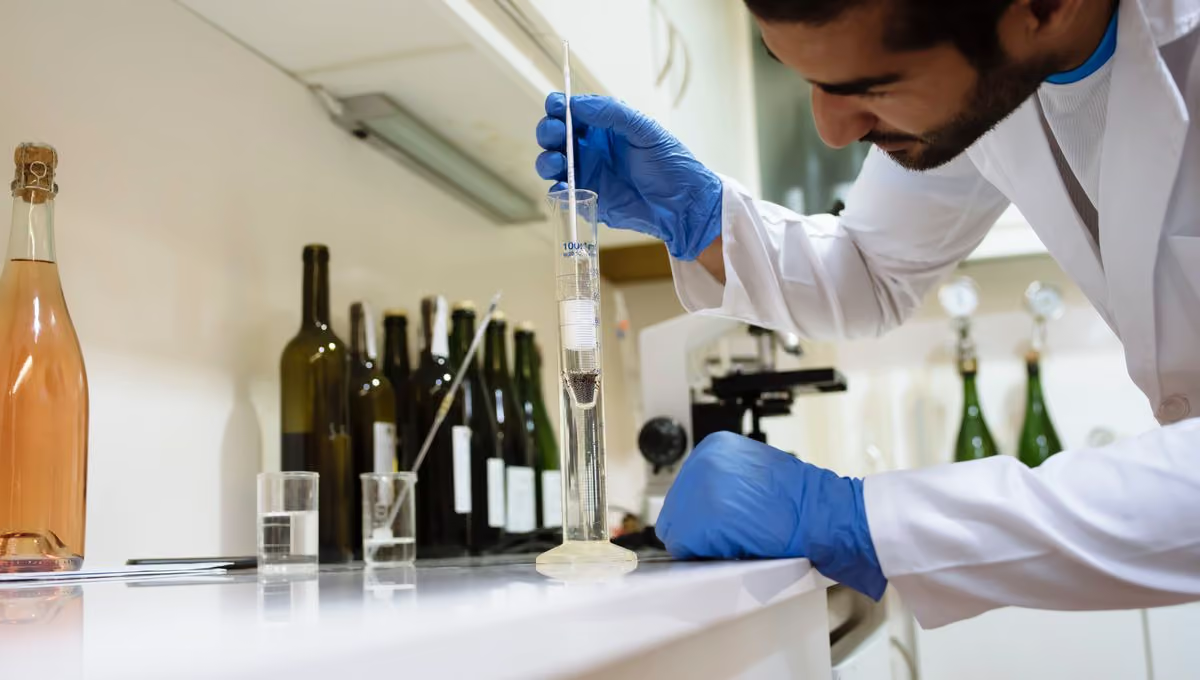
Winemaking relies on complex biological processes. Once harvested, grapes undergo fermentation, which transforms sugar into alcohol. In the context of the future of viticulture, scientists are trying to isolate and recreate these reactions in the lab.
Researchers use wine technology to identify and reproduce the aromatic components of a grand cru. Through advanced chemical analysis, they reconstruct the wine’s molecular structure, combining various compounds extracted from fruit and natural yeasts.
A Multi-Step Process
To produce synthetic wine, scientists follow several steps:
- Extracting the aromatic and flavor elements found in grand cru wines.
- Combining key molecules to reproduce the wine’s sensory profile.
- Adjusting the proportions of tannins, acidity, and sugars for perfect balance.
The goal is to create a wine that comes as close as possible to traditional wines, without going through the vineyard.
The Stakes and Challenges of Synthetic Wine
Can Taste and Quality Be Identical?
Wine lovers place great importance on terroir. It shapes a wine’s structure and aromas. Researchers are trying to reproduce these nuances by adjusting molecular composition, but some experts believe nothing can replace the unique expression of soil and climate.
Early tests have produced surprising results. Sommeliers were invited to taste synthetic wines alongside traditional wines. In some cases, the difference was imperceptible. However, the complexity of aged wines and the evolution of aromas remain major challenges for lab-based producers.
The Advantages of Lab-Made Wine
Despite the skepticism, synthetic wine offers several advantages:
- Lower environmental impact: no grape growing means less water use and fewer pesticides.
- Controlled production: climate swings no longer disrupt harvests.
- Greater accessibility: wine lovers could access rare flavor profiles at a lower cost.
Even so, these innovations still face technological limits and ethical questions.
What It Means for the Wine Industry
A Shake-Up in the Wine Market
The rise of synthetic wine could redefine the global wine economy. Traditional producers see this technology as a threat, while others view it as an opportunity to innovate.
Grand crus may keep their prestige, but synthetic wine could position itself as an alternative for the wider public. Brands will need to adapt to this shift by incorporating these new production methods into their offerings.
What Future for Traditional Viticulture?
The arrival of lab-made wine does not mean the end of traditional wine. The future of viticulture could blend tradition and innovation, using biotechnology to improve winemaking without abandoning the authenticity of terroir.
Some wine regions are already experimenting with modified yeasts and controlled fermentation processes. These advances make it possible to refine a wine’s character without compromising its authenticity.
The Limits and Challenges Ahead
An Ethical and Cultural Debate
The rise of synthetic wine raises profound questions. Can you still call it wine if the vine disappears from the equation? Does a wine’s identity rest solely on its chemical composition, or on the history and craftsmanship of the winemaker?
Wine lovers place great value on the sensory and emotional experience of tasting. For many, wine is more than flavor alone; it embodies a cultural and historical heritage.
Regulatory and Legal Questions
Regulatory bodies will have to decide on the legality and classification of synthetic wine. Can it qualify for an appellation d'origine contrôlée? Will it need to be sold under a new name?
In France, where wine is a deeply rooted tradition, the commercialization of wines made without vines could face strong opposition. However, other countries more open to innovation could become pioneers in this field.
Lab-Made Wine: A Promising Future?
Innovation in wine technology keeps moving forward. Researchers continue to refine their techniques to get closer to grand cru wines. While synthetic wine will never fully replace traditional wine, it could establish itself as an innovative and sustainable alternative.
Acceptance of lab-made wine will depend on consumers. Those seeking unique tasting experiences will be curious to discover these new creations. However, wine purists will remain attached to the values of terroir and the vine.
Conclusion: A Revolution Underway
Synthetic wine represents a major technological breakthrough that could transform the wine industry. While challenges remain, the possibilities offered by this innovation are promising and are generating growing interest among wine lovers and professionals alike.
If you enjoyed this article, don't hesitate to read the next one, "Bordeaux Wines: Everything You Need to Know About These Great Wines", which might also interest you!
Good to know:
The best way to get better at tasting is to write down what you taste: colour, nose, palate, and above all what you thought of it. Over time, your notes reveal your preferences far better than any guide. In Oeni, every bottle in your cellar has its own tasting sheet, ready to fill in within seconds.