Summarize this article with
Wine consumption is part of many cultures. Yet when it comes to pregnancy, the subject becomes sensitive. For several years now, science has been studying the impact of alcohol on pregnancy, with results that are sometimes misunderstood by the general public.
If articles about the wine world interest you, download our app on iOS or Android. It gives you access to our wine glossary, our articles, and our innovative solution, designed for every wine consumer and collector.
What scientific research shows about alcohol during pregnancy
Studies on drinking wine during pregnancy are numerous. Their main goal is to identify the potential risks for the fetus. Since the 1970s, several studies have established a link between alcohol consumption during pregnancy and developmental disorders in children.
These disorders can be grouped under the term fetal alcohol syndrome. They include growth delays, facial abnormalities, and cognitive disorders. Even small amounts can cause lasting effects. Researchers stress that no clearly defined safe threshold exists.
The position of health authorities
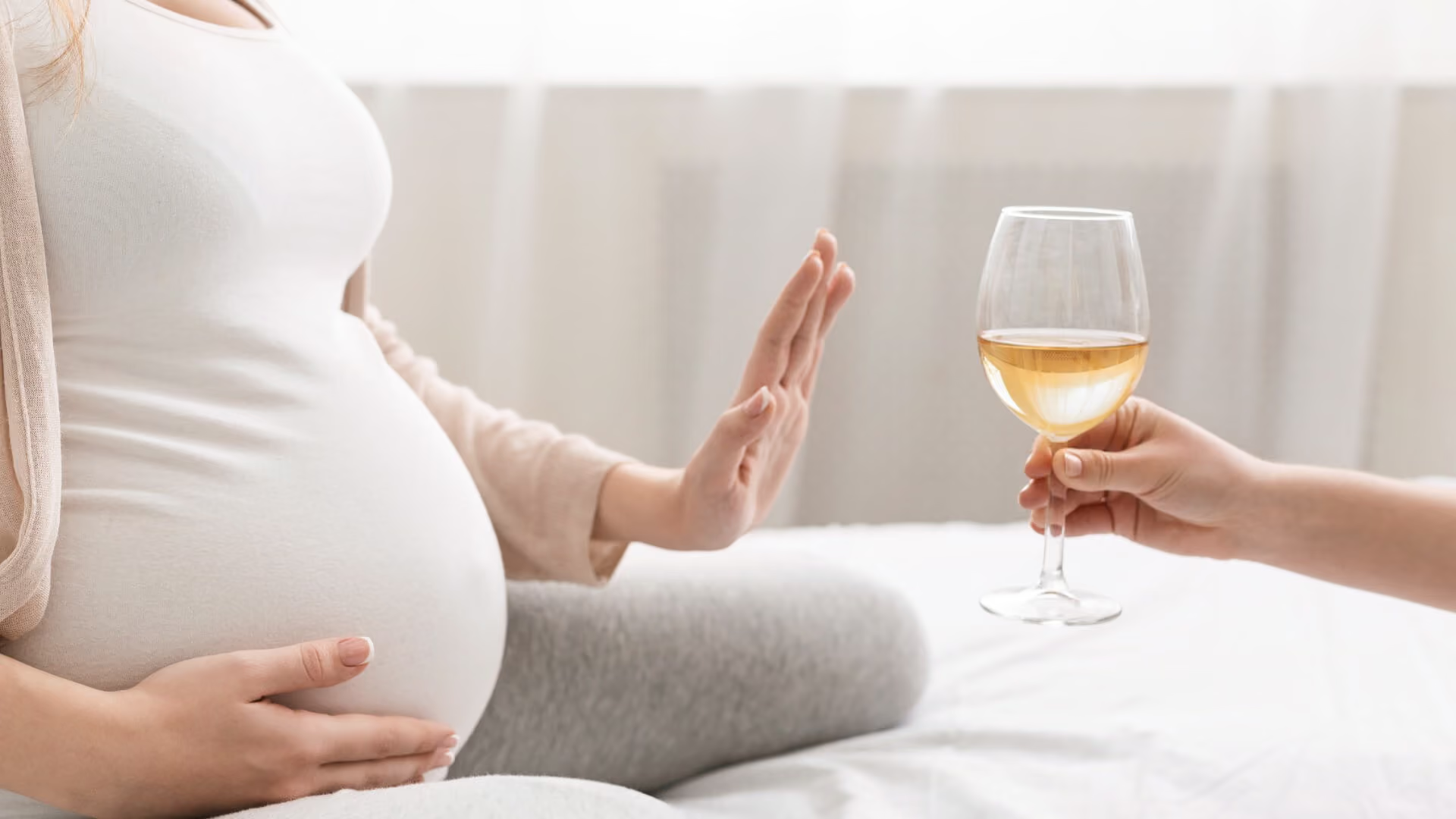
The WHO, French authorities, and European health agencies are unanimous. All recommend complete abstinence from alcohol during pregnancy. This position is based on the precautionary principle. Since no risk-free amount is known, it’s better to avoid any alcoholic drink, even in moderation.
The message is clear: "Zero alcohol during pregnancy." This recommendation of course includes wine, even in small amounts or on special occasions.
What about red wine? Less dangerous than other alcohol?
Some common beliefs suggest that red wine is less risky than spirits. In reality, the danger comes from ethanol, which is present in all alcoholic drinks. Whether it’s wine, beer, or spirits, the effects on the fetus depend on the amount of pure alcohol consumed, not the type of drink.
Studies don’t distinguish between drinks. They always refer to alcohol and pregnancy studies, without any specific mention of wine. So you shouldn’t assume that a glass of red wine is any less harmful than another drink.
Studies on moderate consumption

Some studies have tried to assess the effects of light wine consumption during pregnancy. The results are sometimes nuanced. A few studies have not shown major consequences in children exposed to very small doses.
However, these studies often suffer from methodological bias. The samples are small, the answers rely on self-reporting, and other factors can influence a child’s development. As a result, researchers prefer not to draw reassuring conclusions from these data.
The risks for the mother and the child
The risks of wine during pregnancy concern both the mother and the fetus. In pregnant women, alcohol can disrupt sleep, raise blood pressure, or worsen nausea. It also increases the risk of miscarriage or premature birth.
In babies, even light wine consumption during pregnancy can disrupt brain development. The fetus does not metabolize alcohol like an adult. Its developing liver can’t eliminate ethanol quickly. As a result, wine can circulate in the fetus’s blood for longer, with direct effects on its organs.
Cases of unintentional consumption
Some women learn they’re pregnant only after several weeks. During that time, they may have consumed alcohol without knowing it. Should you worry?
Specialists advise against panic. A one-off drink before you knew you were pregnant doesn’t mean harm is certain. However, it’s important to stop drinking immediately once pregnancy is confirmed.
The cultural dimension: social pressure and tradition
In some cultures, wine plays a strong social role. People toast to announce a pregnancy, celebrate an event, or simply share a moment. Refusing a drink in that context can be difficult.
Still, it remains important to prioritize the baby’s health. Explaining that alcohol is completely avoided during pregnancy is enough. Those around you generally understand the decision.
The role of apps and digital tracking
Modern tools help you manage your health during pregnancy. You can log meals, track symptoms, or read reliable articles. For wine lovers, these apps can offer tailored recommendations during pregnancy.
They also remind you that wine cellar management doesn’t necessarily involve tasting. Some expectant mothers continue aging their bottles without touching them, waiting until after pregnancy.
Wine after pregnancy
Once pregnancy is over, the question of drinking wine while breastfeeding comes up. Here too, experts recommend extra caution. Alcohol passes into breast milk. It’s therefore recommended to wait two to three hours after a glass before breastfeeding.
Another option is to pump milk before drinking, or give a bottle while you wait. Once again, moderation and organization remain the key words.
Toward better information for women
The link between wine and pregnancy remains a delicate subject. Many women still don’t know the risks or think a small glass has no consequences. Prevention campaigns remain necessary.
The message needs to stay clear, without judgment. Information should be shared without making women feel guilty. After all, it’s with a solid understanding of the facts that decisions can be made calmly.
If you enjoyed this article, feel free to read the next one, "Using Oeni to plan your meals based on the wines you have on hand", which may also interest you!
Good to know:
The best way to get better at tasting is to write down what you taste: colour, nose, palate, and above all what you thought of it. Over time, your notes reveal your preferences far better than any guide. In Oeni, every bottle in your cellar has its own tasting sheet, ready to fill in within seconds.