Summarize this article with
Wine is meant to be drunk. And yet, for some enthusiasts, it’s kept, admired, and treasured… but never opened. Why? Why build a wine collection if you’re not going to taste every bottle? The answer lies at the crossroads of passion, emotion, economics, and time.
If you’re interested in articles about the world of wine, download our app on iOS or Android. It gives you access to our wine glossary, our articles, and our innovative solution, designed for every wine consumer and collector.
A wine collection: a visual and symbolic pleasure
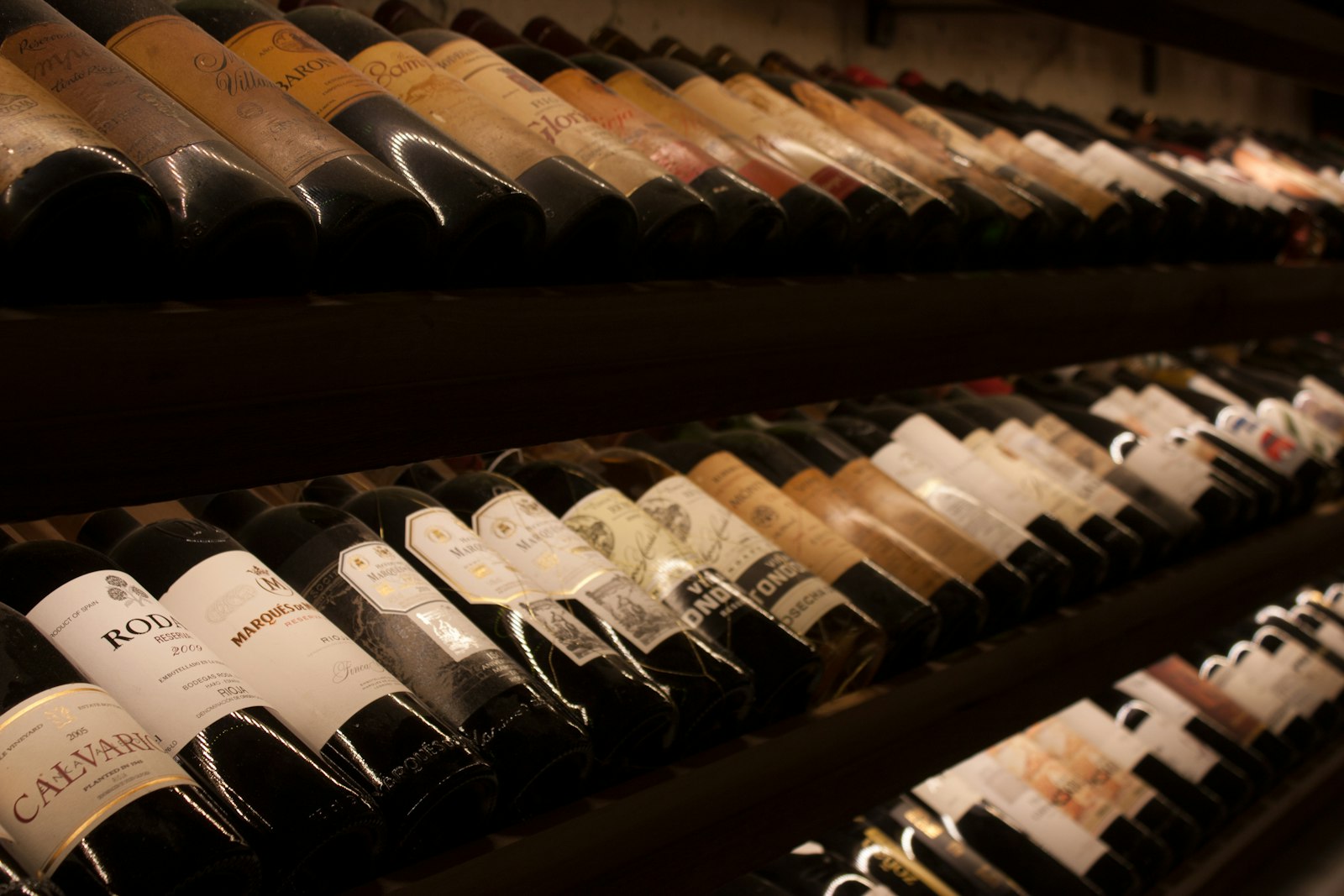
A well-organized wine collection, whether in a cellar, on a shelf, or in a cabinet, brings genuine pleasure. Every label tells a story. Every vintage evokes an era. The bottle becomes an object of art, a rare object, sometimes even a mythical one.
Some bottles are collected the way people collect watches, stamps, or works of art. They embody craftsmanship, a moment in time, an emotion. You don’t open them, not out of snobbery, but out of respect for what they represent.
Affective value sometimes outweighs taste
Affective value plays a fundamental role in this approach. A bottle can bring back a trip, a milestone, a meaningful encounter. Opening it would be like erasing the memory, breaking the connection.
Some people keep bottles given by a loved one who has passed away, or bought for a wedding or a birth. These wines remain sealed in time. They preserve a moment, an emotion, a symbol. Drinking them would almost feel like a betrayal.
Wine investment: between speculation and strategy

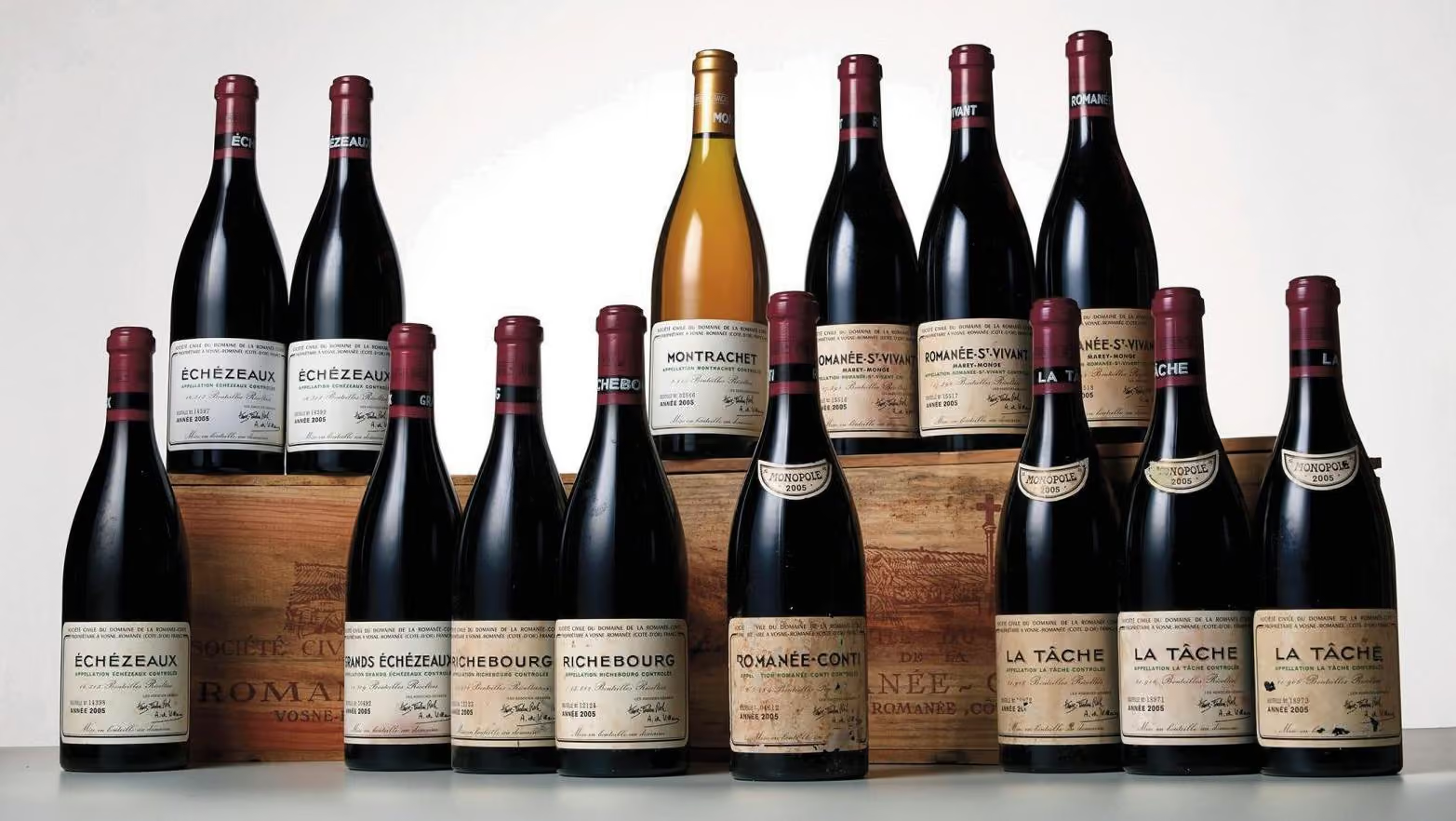
Wine as an investment is attracting more and more followers. Bottles from prestigious domaines can see their price double, triple, or even more in just a few years. Wine becomes a tangible asset, something concrete, valued by the market.
Those who buy for this purpose never open the bottles. They store them, watch their value rise, then resell them. A wine collection becomes a portfolio. Each bottle represents an investment, a wealth-building strategy.
These collectors look at their bottles with the same logic as a property investor. Emotion gives way to profitability.
The challenge of controlled aging
Aging wine is a delicate art. It takes time, patience, and the right conditions. Some enthusiasts love watching a wine evolve without ever taking the final step of opening it. They test their ability to keep, preserve, and control.
Here, a wine collection becomes a kind of personal challenge. How far can this bottle go? Will it reach 20, 30, or 40 years? Time becomes a partner. The collector turns into a silent guardian.
Anticipation stronger than tasting
Sometimes, imagination outshines reality. The pleasure of imagining what a bottle will taste like is stronger than the real experience. Some prefer to keep that mystery intact rather than risk disappointment or something ordinary.
The wine you dream about stays perfect. The wine you drink can disappoint. That tension between expectation and reality feeds the affective value of certain bottles. You keep them for fear of breaking the magic.
Wine as heritage and transmission

Many collectors aren’t thinking only of themselves. They build a wine collection for their children, their grandchildren, or future generations. Wine becomes liquid memory, a heritage to pass on.
Each bottle tells of an era, a taste, a vision. It becomes a family testimony, a trace of the past. Wine is no longer just a drink, but a legacy, a bridge between generations.
The fear of choosing the wrong moment
Some people keep bottles because they’re afraid of getting it wrong. Open too early, and you waste potential. Open too late, and you risk oxidation. That constant hesitation sometimes leads to inaction.
Without reliable tools or benchmarks, the decision stalls. The wine collection grows, but never shrinks. Doubt takes over desire. Wine then becomes décor, not a drink.
Cellars designed to last, not to be emptied
More and more enthusiasts are investing in high-performance, automated cellars with temperature and humidity control. This equipment supports long-term preservation. It encourages you to keep bottles rather than open them.
When the affective value of a bottle grows with time, keeping it makes perfect sense. Wine gains value, meaning, and memory. You’d rather wait, or simply never open it at all.
An aesthetic approach, almost museum-like
Some collectors build true galleries. Bottles are arranged by vintage, region, and rarity. Labels are framed, bottles are spotlighted.
Wine becomes an aesthetic object. It belongs to an artistic approach. You display it, photograph it, admire it. It no longer needs to be drunk to be appreciated. A wine collection becomes a living canvas, a collection in motion.
What if this were simply another way of loving wine?
Drinking isn’t the only way to love wine. Some taste with their eyes. Others with memory, or with anticipation. Wine as an investment, as a symbol, as a personal story, represents another side of a passion for wine.
This choice is neither better nor worse than the taster’s. It complements wine culture. It shows that wine reaches far beyond the palate. It speaks to identity, memory, and our relationship with time.
If you enjoyed this article, don’t hesitate to read the next one, "Wine in religion: between symbol, tradition, and celebration", which might interest you too!
Good to know:
The best way to get better at tasting is to write down what you taste: colour, nose, palate, and above all what you thought of it. Over time, your notes reveal your preferences far better than any guide. In Oeni, every bottle in your cellar has its own tasting sheet, ready to fill in within seconds.