Summarize this article with
Sharing a glass of wine goes far beyond simple pleasure on the palate. It speaks of connection, emotion, and a genuine moment. For centuries, it has accompanied our celebrations, meals, and conversations. In France, as elsewhere, wine embodies a rich, living culture.
If you’re interested in articles about the world of wine, download our app on iOS or Android. It gives you access to our wine glossary, our articles, and our innovative solution, designed for every wine consumer and collector.
The Birth of a Wine Ritual
Wine’s history goes back to antiquity. The Greeks and Romans were already drinking it at their banquets. This drink wasn’t reserved for the elite. It flowed among guests, strengthening the sense of community. Quickly, wine and conviviality became inseparable in the collective imagination.
In ancient societies, wine marked important gatherings. Offering wine to a guest meant welcoming them with honor. That symbolism has endured. Even today, a meal with friends can feel incomplete without wine for many people.
A Tradition Deeply Rooted in French Culture
Wine culture in France goes far beyond simple consumption. Wine accompanies life’s major milestones: weddings, birthdays, religious celebrations — every occasion is marked with a carefully chosen bottle. France’s wine regions have tied their identity to wine, creating a deep sense of attachment.
In families, the appreciation of wine is passed down early. You learn how to taste, how to recognize aromas, how to talk about them. This intergenerational bond strengthens French wine tradition. It’s not just about drinking, but about understanding, appreciating, and sharing.
Wine as a Reason to Gather
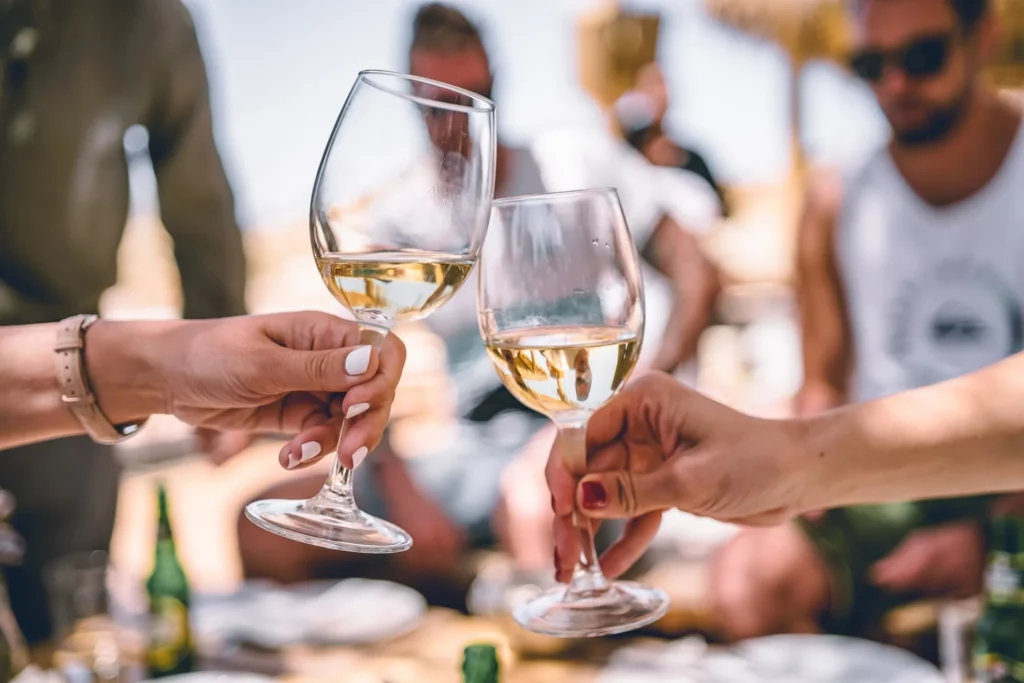
Around a glass, barriers fall away. Wine invites conversation. It relaxes the mood, but above all, it brings people closer. A dinner with colleagues feels more at ease with a good bottle. An impromptu aperitif becomes a warm, convivial moment thanks to wine.
In a world that often feels stressed and rushed, these moments take on real value. Wine encourages slowness, exchange, and sincerity. It becomes the catalyst for a rare and precious kind of conviviality.
A Shared Language for Every Wine Lover
Talking about wine is also a way of building connection. Enthusiasts love sharing their favorites, their discoveries, and their preferences. They trade advice and anecdotes. This shared language brings very different people together.
Around a table or during a tasting, everyone can take part. You comment on the appearance, guess the grape varieties, and share impressions. This ritual makes wine much more than a drink. It becomes the heart of a real conversation.
The Central Role of Meals
Wine culture in France is built largely at the table. Every dish calls for a wine. The right pairing elevates the experience. Meals become special moments where you take the time to be together.
Food and wine pairings aren’t just about taste. They’re also a game, a search for balance, an invitation to experiment. This shared pleasure makes wine an essential part of French conviviality.
A Way of Life Admired Around the World
Wine and conviviality aren’t limited to France. The whole world admires this art of living. French wine symbolizes elegance, moderation, and a love of sharing. It inspires many cultures that want to recreate that unique atmosphere.
Wine exports are often accompanied by a transfer of codes: service, temperature, pairings. These details convey a refined, welcoming image of the French way of life.
Wine in Cafés and Bistros

In France, bistros have long been the ultimate places for conviviality. Wine has always played a central role there. A glass shared among regulars, a lively debate over a pitcher — all of it is part of the scene.
Even as habits change, these places endure. Wine remains a powerful symbol. It marks a pause in the day. It creates connections between strangers, strengthens relationships, and keeps conversations flowing.
Wine as a Carrier of Emotion
Wine is more than its aromas or its color. It evokes memories, emotions, and places. A shared bottle becomes a sensory memory. It leaves a lasting impression, even years later.
That emotional power reinforces its status. Wine and conviviality go hand in hand because wine speaks to our humanity. It accompanies happy moments, but also those when the support of someone close makes all the difference.
The Evolution of Contemporary Practices
Today, French wine tradition is adapting. Younger generations are discovering wine in new ways. Urban tastings, workshops with friends, wine-themed picnics — everything becomes an excuse to share.
Wine is becoming more accessible without losing any of its nobility. It appeals through its approachability, diversity, and history. Conviviality remains at the heart of this evolution. People drink less, but better — and above all, together.
Wine, a Symbol of Lasting Social Connection
At a time when digital life takes up so much space, wine brings us back to the real world. It creates contact, exchange, and authenticity. It stands in contrast to fast, impersonal consumption.
Offering a wine, inviting someone to discover it, proposing a tasting — these are powerful gestures. They strengthen bonds, ease tension, and celebrate friendship. Wine remains one of the few simple pleasures you can share with everyone.
If you enjoyed this article, don’t hesitate to read the next one, "The Influence of Limestone Soil on White Wines", which might also interest you!
Good to know:
The best way to get better at tasting is to write down what you taste: colour, nose, palate, and above all what you thought of it. Over time, your notes reveal your preferences far better than any guide. In Oeni, every bottle in your cellar has its own tasting sheet, ready to fill in within seconds.