Summarize this article with
Wine inspires all kinds of passions. Some people prefer a structured Bordeaux, while others reach for a lighter Pinot Noir. But why are those differences there? What shapes our choices?
If articles about the world of wine interest you, download our app on iOS or Android. It gives you access to our wine glossary, our articles, and our innovative solution, designed for every wine consumer and collector.
To Better Understand Wine Taste Preferences
To better understand wine taste preferences, you need to explore the sensory and emotional mechanisms behind tasting. Let’s take a closer look at what makes a wine unforgettable for some people, and forgettable for others.
The Role of Past Experiences in Our Preferences
Our memories shape the way we relate to wine. A glass shared during a meaningful event leaves a lasting impression. A wine tasted at a wedding, on a trip, or during a memorable dinner becomes an emotional reference point. This phenomenon highlights the link between wine and emotion. So two people tasting the same wine can feel very different things, depending on their personal history.
What’s more, our cultural habits shape our tastes. In France, people learn early on to distinguish between grape varieties. In other countries, by contrast, wine is discovered later, often through sweeter or fruitier styles. This early or late exposure influences our wine taste preferences.
Sensory Perception: A Complex World

Tasting engages several senses. Sight sets the stage, smell triggers memory, and taste confirms — or denies — pleasure. This process involves the sensory perception of wine. Each person has a different sensitivity threshold for aromas, acidity, or tannins.
Some people detect bitterness or astringency very well. Others, on the contrary, find them unpleasant. These differences explain why some people love full-bodied wines, while others prefer wines that are softer or rounder.
Wine vocabulary helps name these perceptions. But words often aren’t enough. You need practice, comparison, and a growing sensory memory. The more you taste, the more refined your palate becomes.
The Influence of Genetics and Biology
Our genetics also play a role. Certain genetic variants make some people more sensitive to acid or aromatic compounds. That directly affects wine taste preferences. For example, a very oaky or smoky wine may appeal to some, but put others off.
Saliva also influences perception. Its pH, composition, and flow rate all change the way the same wine feels. A tannic wine may seem softer to someone whose saliva is richer in proteins.
Age also changes taste sensitivity. As we get older, we lose sensory receptors. That’s why our preferences often change over time.
Emotions, Powerful Amplifiers of Taste
Wine and emotion are closely linked. A joyful mood heightens the sense of pleasure. By contrast, a bad day can alter the tasting experience. The setting matters too. Drinking a glass of rosé on a summer terrace doesn’t stir the same feelings as a glass of red wine by the fire in winter.
Some studies show that music, lighting, or atmosphere can change the sensory perception of wine. For example, red light enhances fruity aromas. Classical music can make the wine seem more noble or refined in the taster’s eyes.
Learning and Training Your Palate
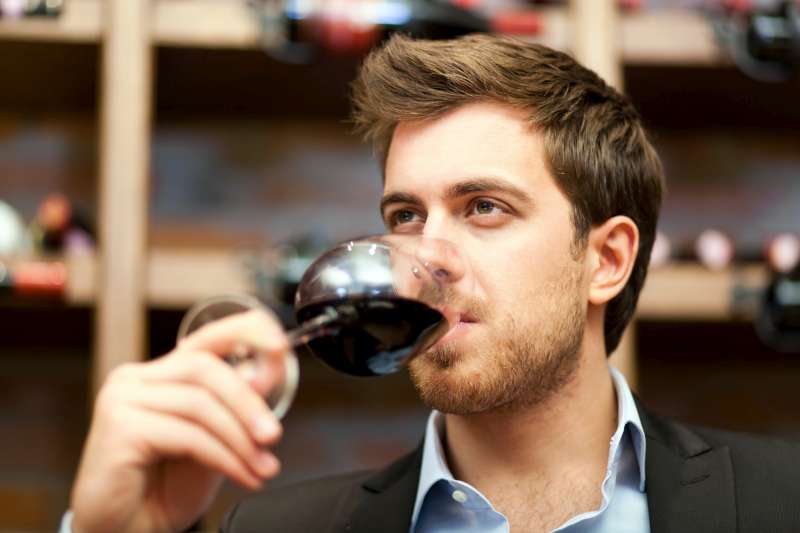
Tastes aren’t fixed. You can learn to love a wine by exposing yourself to it regularly. That’s especially true for more complex wines, which require a certain amount of guidance. A very tannic or mineral wine may first seem harsh. But after repeated tastings, you begin to notice nuances you hadn’t picked up before.
Taking part in tastings, reading technical sheets, or following courses helps train your palate. You become more attentive, more curious, and above all more open-minded. Over time, this naturally shapes wine taste preferences.
The Image of Wine: Label, Price, and Reputation
The psychological side matters too. A beautiful label, a prestigious name, or a high price all influence how we perceive a wine. Even without realizing it, you may judge a wine as better simply because it’s rare or expensive.
Experienced enthusiasts try to set those factors aside. But even they remain sensitive to a wine’s image. Expectation changes perception. A highly anticipated bottle can disappoint. On the other hand, a simple discovery can be dazzling.
The Drinking Context: A Key Factor
Drinking wine alone or in a group, at the table or as an aperitif, changes how we appreciate it. A crisp white wine is better suited to aperitif hour, while a structured red will shine with a saucy dish. The sensory perception of wine therefore depends heavily on the moment and what you’re drinking it with.
The type of glass you use also affects the aromas. A narrow glass concentrates the bouquet. A larger glass allows for better aeration. These technical details, often overlooked, matter in the overall experience.
Current Trends: Natural Wines, Biodynamics, Orange Wine...
Finally, trends influence our preferences. Today, natural wines, organic wines, and orange wines are attracting more and more attention. These unconventional wines broaden our range. They shake up our reference points and encourage exploration.
These new practices appeal to the curious, but they can also unsettle purists. It’s a clear reminder that wine taste preferences keep evolving, shaped by discoveries and changing desires.
If you enjoyed this article, don’t hesitate to read the next one, "What’s the difference between AOC, IGP, and Vin de France?", which might interest you too!
Good to know:
The best way to get better at tasting is to write down what you taste: colour, nose, palate, and above all what you thought of it. Over time, your notes reveal your preferences far better than any guide. In Oeni, every bottle in your cellar has its own tasting sheet, ready to fill in within seconds.