Summarize this article with
Residual sugar in wine is a subject many wine lovers don’t know much about.
Yet it plays an essential role in a wine’s flavor and balance. Some wines are made to be sweeter, while others retain a small amount of sugar because of the winemaking process. So why do some wines contain more sugar than others? Let’s unpack the secrets of off-dry wine and wines made through stopped fermentation.
What Is Residual Sugar in Wine?
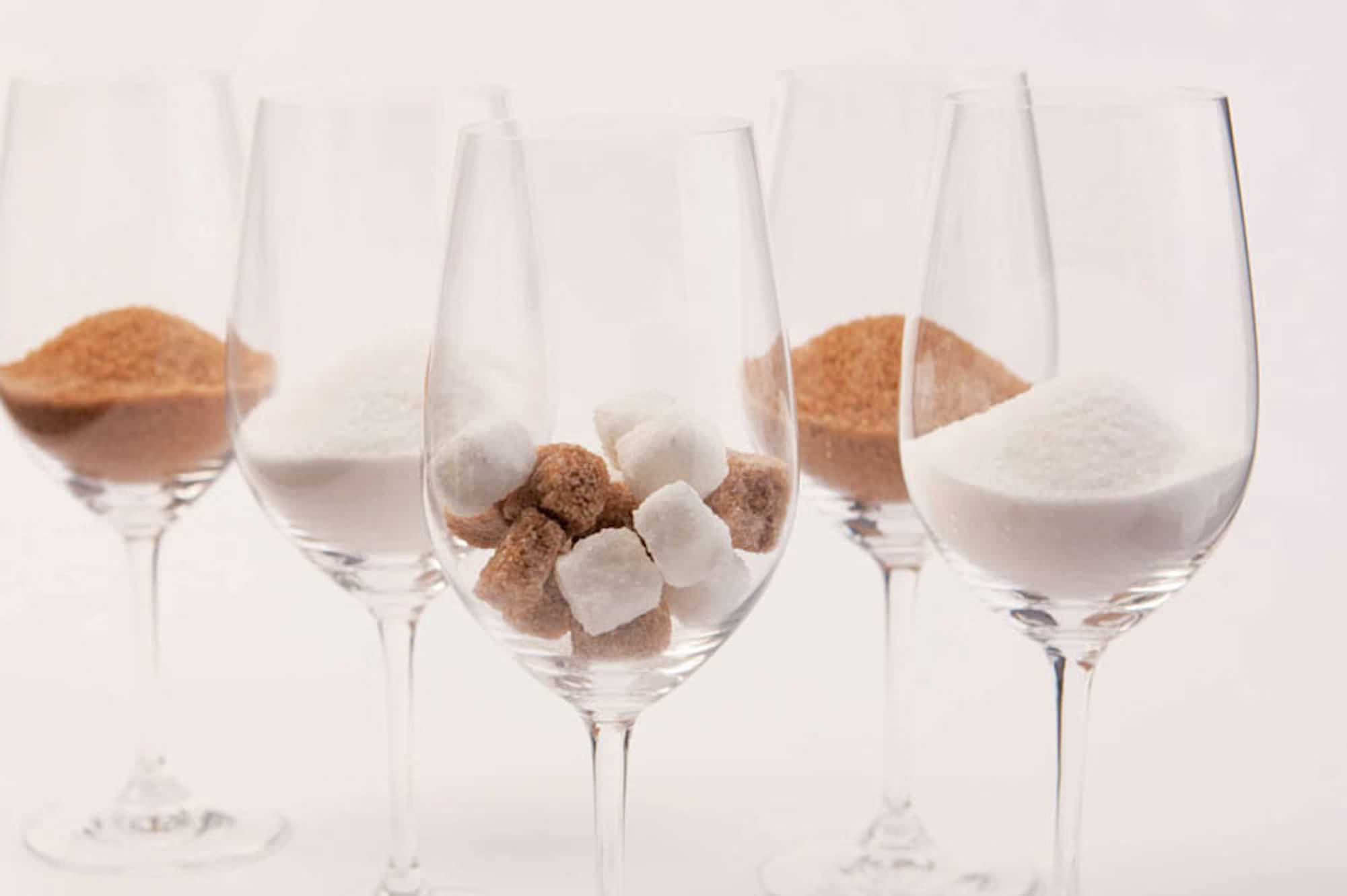
Residual sugar in wine refers to the natural grape sugars that haven’t been fully converted into alcohol during fermentation. Depending on the style of wine, the winemaker may choose to leave more or less residual sugar.
- Dry wines : almost all the sugar is converted into alcohol.
- Off-dry wines : a small amount of sugar is retained.
- Off-dry and sweet wines : partial fermentation leaves a higher sugar level.
This sugar directly shapes the wine’s taste, adding a touch of sweetness that can be more or less pronounced depending on the grape varieties and winemaking techniques.
Why Do Some Wines Have Residual Sugar?
Several reasons explain why a wine keeps a certain amount of sugar after fermentation.
1. Deliberately Stopping Fermentation
In some cases, the winemaker deliberately stops fermentation to preserve a balance between alcohol and sweetness. This method is used for off-dry wines and sweet wines.
- Cooling the must : fermentation is stopped by lowering the temperature.
- Adding sulfur : sulfur inhibits yeast activity, preventing the sugar from being fully converted.
- Fortification with alcohol : adding alcohol stops fermentation (for example, natural sweet wines such as Muscat).
These techniques make it possible to produce balanced wines, rich in aromas and natural sugar.
2. Grape Varieties Naturally Rich in Sugar
Some grape varieties have a higher sugar concentration, making naturally sweet wines possible.
- Riesling and Gewurztraminer : often used to produce off-dry wines.
- Sémillon and Chenin Blanc : perfect for making sweet wines.
- Muscat : known for its fruity aromas and natural sweetness.
The choice of grape variety therefore plays a decisive role in a wine’s residual sugar level.
3. The Effect of Noble Rot
Noble rot is a phenomenon that concentrates the sugars in grapes thanks to a fungus called Botrytis cinerea. This process is typical of great off-dry wines such as Sauternes or Tokaji.
- The water in the grapes evaporates, concentrating the sugars and aromas.
- Wines made using this technique are very rich in natural sugar.
This process is highly prized for crafting exceptional wines.
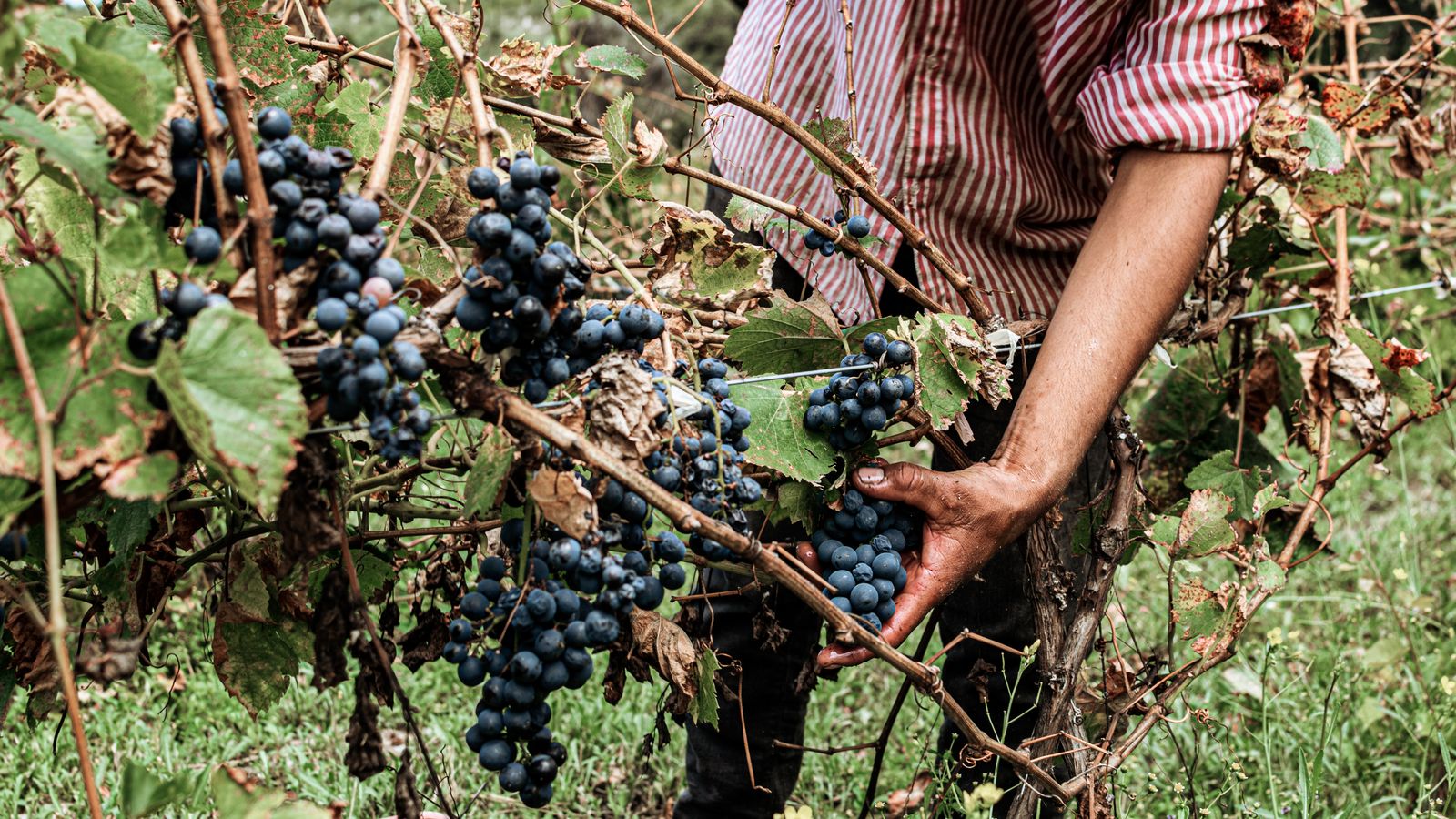
4. Late Harvests and Sugar Concentration
Off-dry wines can be made through late harvests, where the grapes stay on the vine longer. This allows for:
- A natural concentration of sugars through grape dehydration.
- The development of intense aromas and a lovely roundness on the palate.
This method is used in Alsace, the Loire, and certain regions of Italy and Germany.
Residual Sugar in Different Types of Wine
Residual sugar in wine varies depending on the category of wine.
1. Dry Wines (Less Than 4 g/L Residual Sugar)
These wines ferment completely, converting almost all the sugar into alcohol.
- Examples : Sauvignon Blanc, Chardonnay, Cabernet Sauvignon.
- Characteristics : pronounced acidity, a fresh feel on the palate.
2. Off-Dry Wines (4 to 12 g/L Residual Sugar)
They retain a touch of sweetness, offering a balance between sweetness and freshness.
- Examples : off-dry Chenin, Alsace Pinot Gris.
- Characteristics : perfect with exotic dishes and lightly spiced dishes.
3. Off-Dry Wines (12 to 45 g/L Residual Sugar)
These wines are intentionally sweet, often made from late-harvest grapes or grape varieties rich in sugar.
- Examples : Sauternes, Montlouis, off-dry Vouvray.
- Characteristics : lovely roundness, aromas of honey and candied fruit.
4. Sweet Wines (More Than 45 g/L Residual Sugar)
The sweetest wines, rich in aromas and perfect with dessert.
- Examples : Tokaji, Muscat de Beaumes-de-Venise, Jurançon.
- Characteristics : aromatic intensity, long persistence on the palate.
The Impact of Residual Sugar on Food and Wine Pairings
Residual sugar has a major impact on food and wine pairings. An off-dry wine or lightly sweet wine is an ideal match for certain dishes.
- Spicy dishes : off-dry wines balance the heat.
- Blue cheeses : a sweet wine brings out their intensity.
- Fruit desserts : a sweet wine complements the sweetness.
The key is to balance the wine’s sweetness with the dish’s sweetness so it doesn’t seem too flat or too sweet.
Should You Avoid Wines with Residual Sugar?
Residual sugar is often misunderstood because it’s associated with overly sweet wines or entry-level bottles. Yet it plays a fundamental role in the aromatic balance of many quality wines.
- Off-dry wines are perfect for certain indulgent pairings.
- A little residual sugar can soften acidity and add roundness.
- Choosing a good sweet wine comes down to a carefully judged balance.
Residual sugar is therefore not a flaw in itself, but a key element in some great wines.
Conclusion
Residual sugar in wine comes from the winemaker’s technical choices, the grape variety, or the climate. Whether a wine is dry, off-dry, or sweet, this sugar plays a key role in the wine’s flavor and balance. Off-dry wines, made through stopped fermentation or late harvest, offer unmatched aromatic richness.
If you enjoyed this article, don’t hesitate to read the next one, "How to Plan a Wine Cellar for Champagne Lovers", which might interest you too!
Good to know:
The best way to get better at tasting is to write down what you taste: colour, nose, palate, and above all what you thought of it. Over time, your notes reveal your preferences far better than any guide. In Oeni, every bottle in your cellar has its own tasting sheet, ready to fill in within seconds.