Summarize this article with
Wine fascinates, brings people together, and sometimes divides opinion over one thing: its price. From a €5 wine to a bottle worth several thousand, the gap is intriguing. Yet every cent has a reason behind it. Let’s explore the factors that shape the value of a bottle of wine, whether modest or prestigious.
If articles about the world of wine interest you, download our app on iOS or Android. It gives you access to our wine glossary, our articles, and our innovative solution, designed for every wine drinker and collector.
Production costs influence the final price
It all starts in the vineyard. The site, the climate, and the farming method all directly affect production costs. A steep, hard-to-reach parcel requires more labor. A biodynamic domaine demands more time and care.
Then comes the harvest, which can be done by hand or by machine. Hand-picking remains more expensive. But it guarantees a careful selection of the grapes, which has a direct impact on quality. And that quality directly affects the price of wine.
Appellations and prestige carry real weight
The appellation system creates a hierarchy. A wine classified as AOC or AOP reassures the consumer. These labels guarantee strict specifications. That includes the authorized grape varieties, yields, and farming methods.
Prestigious appellations such as Pauillac or Meursault push prices higher. Their names alone suggest excellence. So the factors behind wine pricing also include the reputation of the terroir.
The role of grape varieties and yields
Not all grape varieties cost the same. Some are more delicate and require more care. Pinot Noir, with its temperamental nature, needs constant attention. Others, like Merlot, adapt more easily, which helps keep costs down.
Yields also influence cost. The less a vine produces, the more each cluster matters. Low production often means greater concentration. But it also means fewer bottles. That creates a scarcity effect, and the value of a bottle of wine rises.
Scarcity and the producer’s reputation
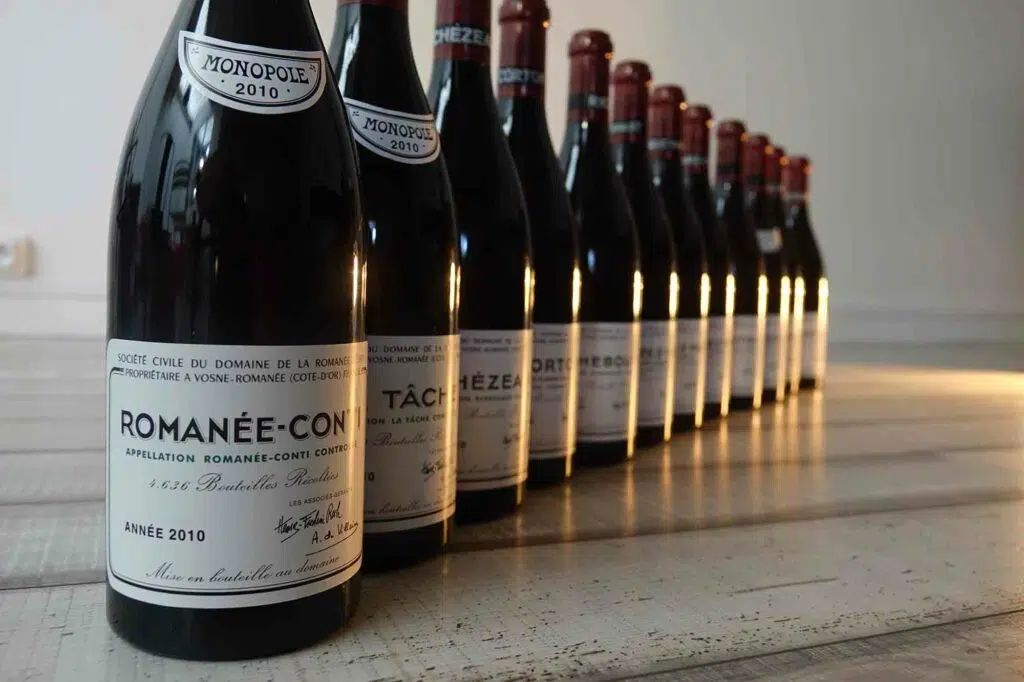
A well-known domaine whose cuvées sell quickly can command high prices. Strong demand creates pressure. Enthusiasts snap up the bottles. Reputation does the rest.
What’s more, some producers deliberately limit output. They prefer to focus on quality. That choice reinforces scarcity. On the market, the bottles become more desirable. That helps explain some of the shifts in wine pricing.
Aging also affects value
A young wine is generally less expensive. Yet some wines gain value over the years. They develop more complexity, improve with age, and become highly sought after.
Well-preserved older vintages can fetch remarkable prices. Their rarity drives bidding higher. Once again, the value of a bottle of wine is built over time.
Packaging, presentation, and logistics
The label, the bottle, the cork... These details also affect the price. A bottle made from thick glass, a natural cork, or a beautifully printed label all add to the cost.
Packaging also influences price. A magnum is more expensive to produce and transport. Yet it ages better, appeals to collectors, and creates a stronger sense of perceived value.
The secondary market and speculation
Some wines enter speculative channels. They’re no longer bought to be drunk, but as investments. Specialized websites and auctions create a parallel market.
In that case, the value of a bottle of wine depends less on what’s inside than on supply and demand. Classified growths from Bordeaux are a perfect example of this phenomenon. Their prices move according to vintage, critic scores, and economic conditions.
The role of critics and wine guides
A strong score in a respected guide or a glowing review in an influential magazine can send prices soaring. Parker scores or ratings from La RVF can move the market.
These assessments create credibility. They reassure buyers and justify higher prices. It’s a powerful lever for ambitious producers.
The cultural and emotional context
Finally, wine speaks to emotion. Giving a bottle for a birthday, celebrating an occasion, or simply treating yourself can sometimes lead you to spend more. The explanation for wine pricing isn’t purely logical. It also taps into feeling.
You may choose a more expensive bottle for the occasion, for its rarity, or for the story it tells. The human and cultural dimension of wine only deepens this range of prices.
If you enjoyed this article, don’t hesitate to read the next one, "Oeni vs Excel: why our app comes out on top", which might interest you too!
Good to know:
The best way to get better at tasting is to write down what you taste: colour, nose, palate, and above all what you thought of it. Over time, your notes reveal your preferences far better than any guide. In Oeni, every bottle in your cellar has its own tasting sheet, ready to fill in within seconds.