Summarize this article with
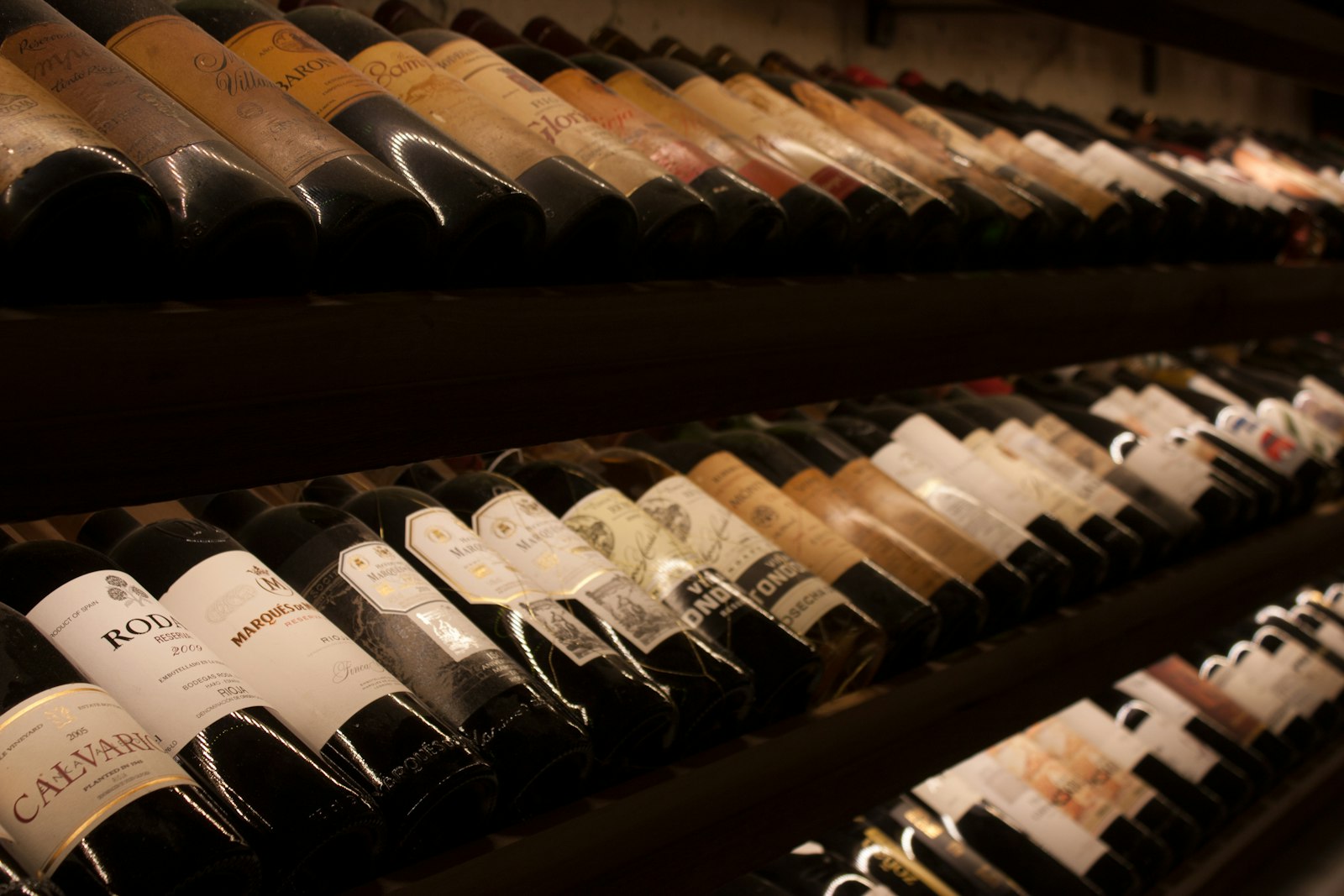
Exceptional wines are often associated with high prices that fascinate enthusiasts and wine lovers alike. Why do some wines reach such heights while others remain affordable?
The role of terroir in the price of rare wines

Exceptional terroir: a mark of quality
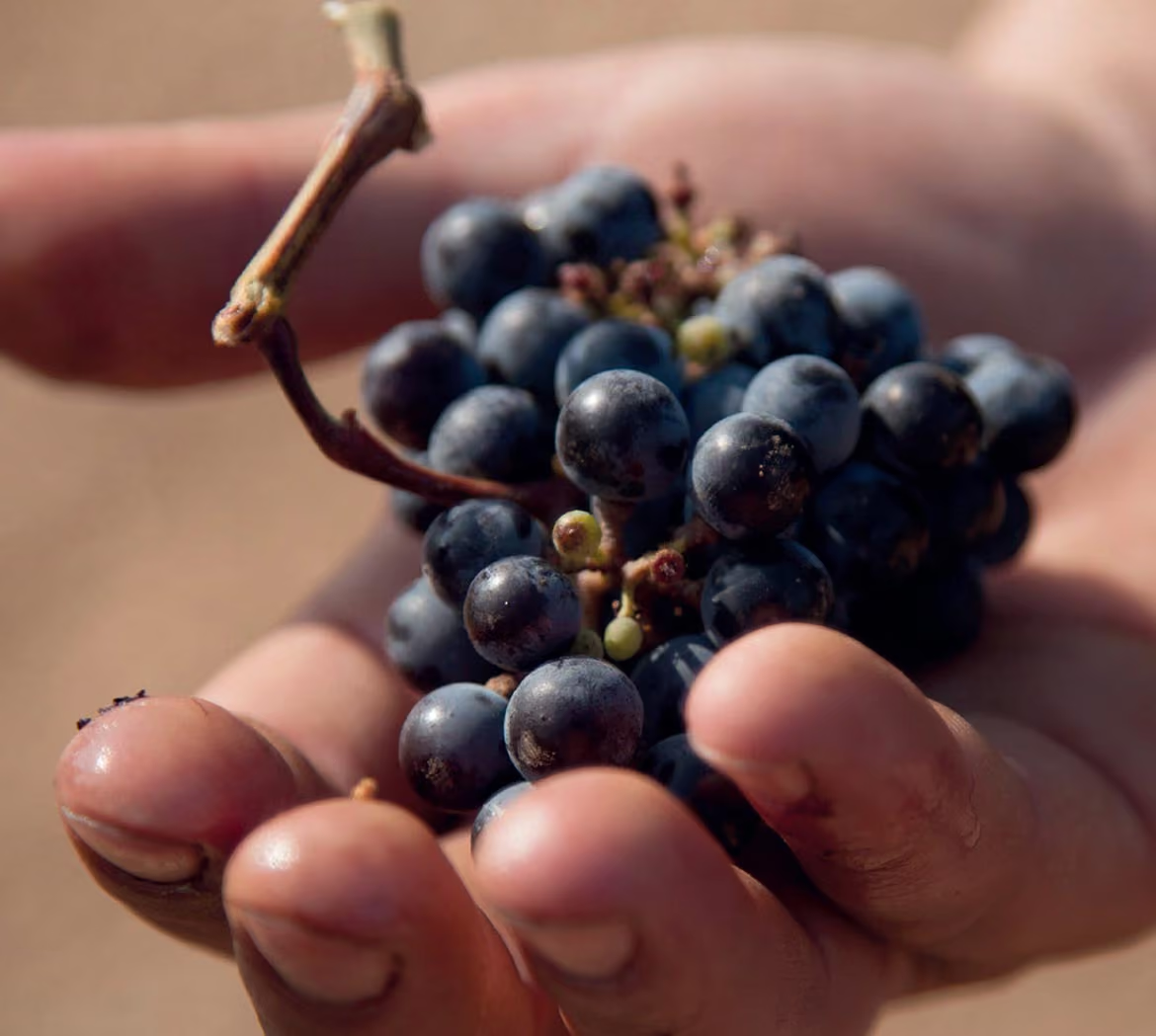
An exceptional terroir brings together all the natural factors that shape a wine’s production: soil, climate, altitude, and sun exposure.
Renowned wine regions
Some regions, such as Bordeaux or Napa Valley, enjoy a global reputation that directly affects the price of rare wines.
The limited production of exceptional wines
Controlled yields
Exceptional wines often come from vineyards where production is deliberately limited to ensure optimal quality.
Artisanal production methods
Rare wines are often made using demanding techniques and hands-on processes.
The reputation and history of wine estates
The legacy of great estates
Estates with a long history benefit from a prestige that is reflected in the price of their wines.
Legendary vintages
Some rare or exceptional vintages can fetch record prices at auction.
The importance of marketing and global demand
Communication strategies
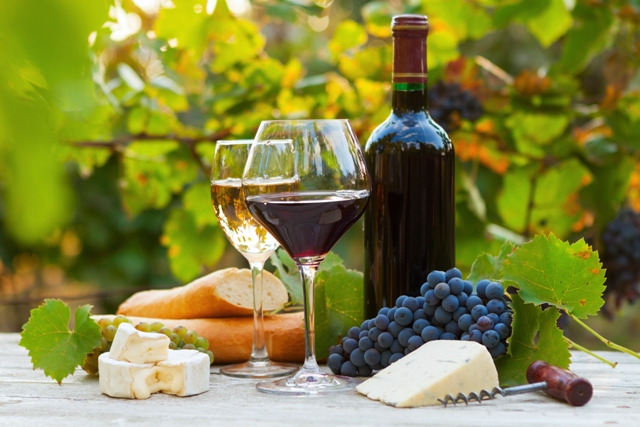
Producers use targeted campaigns to strengthen the image of their exceptional wines.
Speculation around rare wines
Some buyers see rare wines as investments, which drives prices higher.
The impact of innovative viticultural practices
Biodynamic and organic approaches
Estates that choose environmentally friendly practices are growing in popularity, but these methods are costly.
Cutting-edge technology
Some producers use modern equipment to analyze and improve every stage of production.
Packaging and presentation of rare wines
Luxurious bottles and labels
Exceptional wines are often packaged in specially designed bottles that reflect their exclusivity.
Limited editions
Some houses produce special cuvées in very small quantities.
Costs linked to export and distribution
Transport and taxes
Exporting rare wines involves additional costs for transport, customs duties, and local taxes.
Carefully selected distributors
Major producers choose exclusive distributors to protect the image of their wines.
Conclusion: prices that reflect far more than a simple product
Exceptional wines don’t owe their high price to chance. Their cost reflects a combination of factors, including an exceptional terroir, demanding production methods, and growing global demand. These rare wines are much more than drinks; they embody art, tradition, and prestige.
If you enjoyed this article, don't hesitate to read the next one, "The Best Wines to Pair with Chocolate Desserts", which might also interest you!
Good to know:
The best way to get better at tasting is to write down what you taste: colour, nose, palate, and above all what you thought of it. Over time, your notes reveal your preferences far better than any guide. In Oeni, every bottle in your cellar has its own tasting sheet, ready to fill in within seconds.