Summarize this article with
Decanting wine is a practice that’s often misunderstood by those just beginning to explore the world of wine. Yet this simple step can make all the difference to your tasting experience.
Introduction
Decanting wine is a practice that’s often misunderstood by those just beginning to explore the world of wine. Yet this simple step, which involves pouring wine from a bottle into a decanter, can make all the difference to your tasting experience. In this article, brought to you by Oeni, your wine cellar management app, available on iOS and Android, we explain why and when you should decant wine, so you can deepen your knowledge and enjoyment of wine.
What Is Wine Decanting?
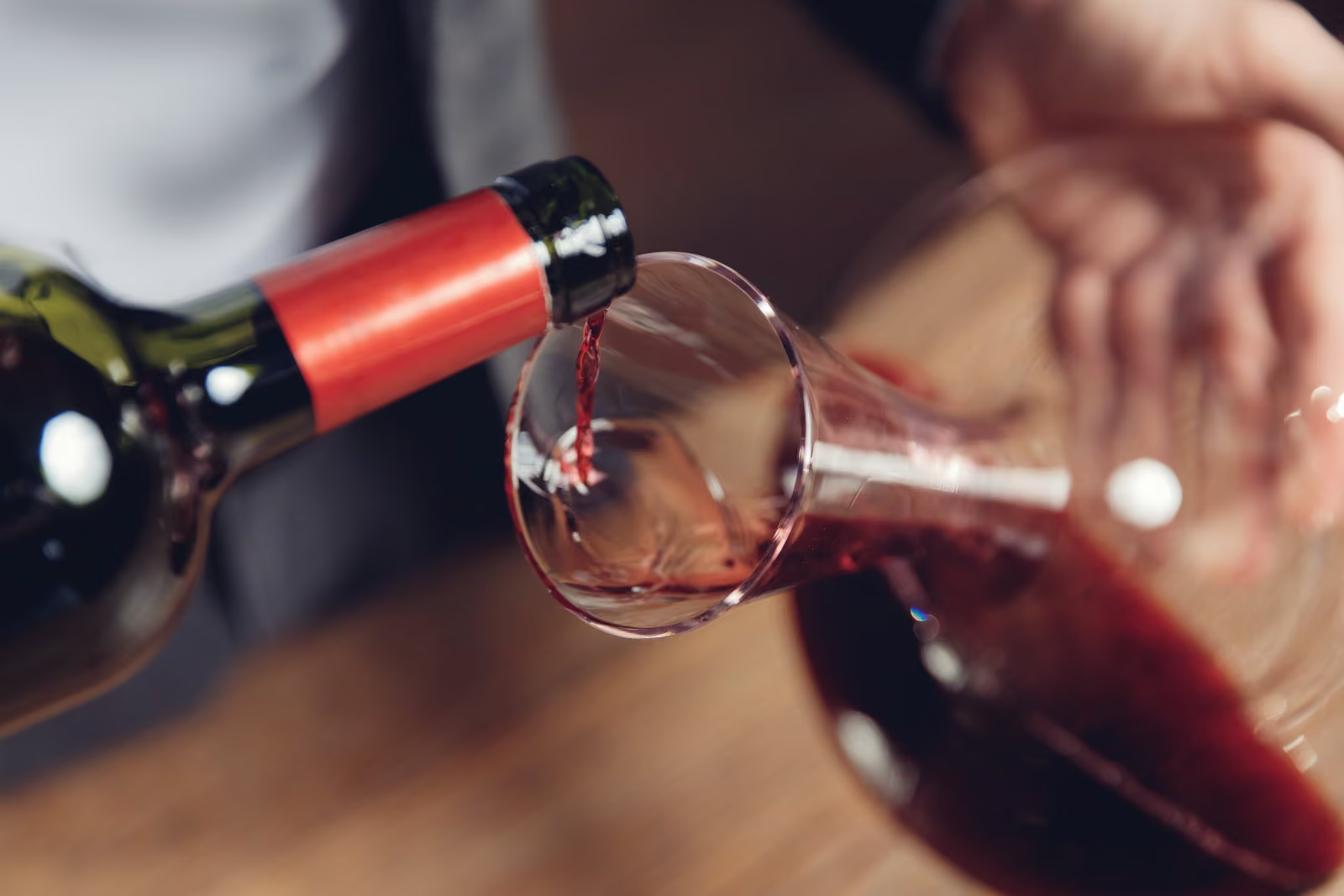
Wine decanting is an age-old technique used to separate wine from its sediment while also allowing it to breathe. When you pour wine from a bottle into a decanter, you do two things: you leave the sediment behind in the bottle, and you expose the wine to oxygen, which helps open up its aromas and flavors.
Why Decant Wine?
Decanting has two main purposes: separating sediment and aerating the wine.
1. To separate sediment:
Sediment, or lees, usually forms in older red wines. These are solid particles that develop as the wine ages. While they aren’t harmful, they can create an unpleasant taste or cloud the wine’s clarity. Decanting lets you separate the wine from this sediment, ensuring a clean, clear tasting experience.
2. To aerate the wine:
Decanting also helps aerate the wine. By exposing it to oxygen, the wine “breathes,” which helps reveal and develop its aromas and flavors. This is especially beneficial for young wines that may seem a little “closed” or harsh when first opened.
When Should You Decant Wine?
The decision to decant a wine depends on its age and style.
1. Young wines:
Young wines, especially powerful, tannic reds, can often benefit from decanting. It gives them room to open up and develop their aromas. Wines made from grapes such as Syrah, Cabernet Sauvignon, or Malbec can often gain complexity and softness with an hour or two in a decanter.
2. Older wines:
Older wines, especially age-worthy red wines, may have sediment. In this case, decanting helps separate the wine from those deposits. However, older wines are generally more delicate and can become oxidized if exposed to oxygen for too long. It’s best to decant them just before serving.
How Do You Decant Wine?
There isn’t just one correct way to decant wine, but here are a few general tips:
- To separate sediment, pour the wine slowly and steadily into the decanter. Stop pouring when you begin to see the sediment approaching the neck of the bottle.
- To aerate the wine, don’t hesitate to pour it so that it comes into contact with a large surface area of air. This may mean pouring from a certain height or swirling it in the decanter.
- Choose a suitable decanter. Some decanters are designed specifically to maximize wine oxygenation.
Decanting is a ritual cherished by wine lovers that can significantly enhance the tasting experience. Whether you’re separating sediment in an older wine or aerating a young, tannic wine, knowing when and how to decant wine is a valuable skill for any wine enthusiast.
Good to know:
The best way to get better at tasting is to write down what you taste: colour, nose, palate, and above all what you thought of it. Over time, your notes reveal your preferences far better than any guide. In Oeni, every bottle in your cellar has its own tasting sheet, ready to fill in within seconds.