Summarize this article with
A wedding is a once-in-a-lifetime occasion, and it deserves a selection of festive wines worthy of the event. Whether you’re pairing them with the meal or serving them for the reception toast, choosing the right bottles is essential. A great wedding wine should bring elegance, conviviality, and a perfect match for the dishes being served.
In this article, discover the best wines to give for a wedding, from refined bubbles to structured reds, along with elegant whites and subtle rosés.
Champagne: the wedding essential
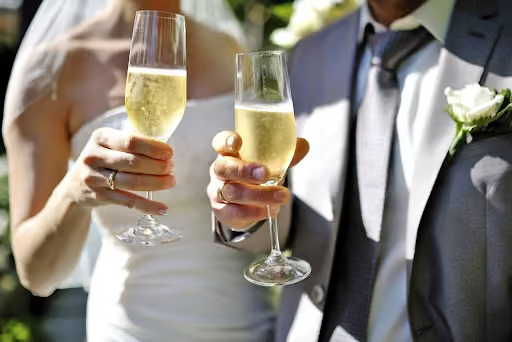
A wedding without Champagne is unthinkable. This sparkling wine is synonymous with celebration and elegance.
Why choose Champagne?
- Its effervescence adds a festive touch.
- It pairs beautifully with many dishes, from aperitifs to dessert.
- It symbolizes joy and success.
What kind of Champagne should you give?
- Brut: ideal for the reception toast. Dry and refreshing, it appeals to everyone.
- Blanc de blancs: made exclusively from Chardonnay, it brings finesse and lightness.
- Rosé: fruitier and more indulgent, perfect with a red berry dessert.
Alternatives to Champagne:
- Crémant de Bourgogne or Crémant d'Alsace for excellent value for money.
- Italian Prosecco, light and fruity.
Why is wine selection so important for a wedding?
A wedding is a 4- to 6-hour meal with dozens of guests, all with different tastes. Wine has to do three things at once.
1. Pair with the food at every stage
A wedding meal follows a progression: aperitif → starters → main course → cheese → dessert. Each stage calls for a different wine: bubbles for the opening, dry white for light starters, structured red for meat, and sweet wine for dessert.
2. Please as many guests as possible
A wedding brings together very different profiles: lovers of light wines, fans of powerful wines, people sensitive to sulfites, and non-drinkers. The winning strategy: 2 white wines + 1 red + 1 rosé + 1 sweet wine, covering every taste.
3. Stay within budget
Wine represents, on average, 15 to 20 % of the total budget for a wedding. Mixing 1 premium bottle (Champagne, grand cru) with more accessible wines (Crémant, Côtes-du-Rhône) helps you create a wow effect without blowing the budget.
White wines: elegance and freshness
A white wedding wine should be refreshing and balanced enough to suit all your guests.
The best white wine choices:
- Sancerre or Pouilly-Fumé (Loire): dry and mineral, perfect with seafood and fish.
- Chablis (Bourgogne): lively and refined, excellent with light starters.
- Viognier (Rhône): round and aromatic, perfect with creamy poultry dishes.
Why give white wine for a wedding?
- It pairs beautifully with cold buffets and refined starters.
- Its acidity and freshness balance richer dishes.
- It appeals to those who prefer wines with softer tannins.
Red wines: power and refinement
A wedding is also the perfect occasion to open beautiful bottles of red wine to accompany the main courses.
Which red wines should you choose?
- Pinot Noir (Bourgogne, Alsace, Loire): delicate and fruity, perfect with white meats or fish.
- Saint-Émilion or Pomerol (Bordeaux): elegant and balanced, ideal with beef or lamb.
- Châteauneuf-du-Pape (Rhône): powerful and spicy, it elevates sauced dishes.
- Côtes-du-Rhône or Languedoc: accessible and generous, they appeal to a wide audience.
Why give red wine for a wedding?
- It pairs with main dishes in style.
- It appeals to fans of structured wines.
- Some vintages can age, offering the newlyweds a beautiful keepsake.
Rosé wines: conviviality and freshness
A festive wine that’s perfect for a summer wedding or a reception toast.
Which rosés should you choose?
- Côtes de Provence: fresh, fruity, and light, ideal for refined aperitifs.
- Tavel (Rhône): more structured, perfect with Mediterranean dishes.
- Bandol (Provence): elegant and refined, with real complexity.
Why choose rosé wine for a wedding?
- It’s convivial and appeals to everyone.
- It’s easy to enjoy at an outdoor cocktail reception.
- It works just as well with aperitifs as it does with grilled dishes.
Comparison: which wedding wine should you choose based on your criteria?
Sweet and luscious wines: the sweet touch for dessert
To accompany a tiered wedding cake or dessert, a sweet wine is a refined choice.
The best sweet options:
- Sauternes (Bordeaux): a benchmark for pairing with fruit desserts or foie gras.
- Vouvray Moelleux (Loire): sweet yet balanced, perfect with a wedding cake.
- Muscat de Rivesaltes (Roussillon): intense and aromatic, with plenty of indulgent charm.
Why give a sweet wine?
- It elevates desserts and ends the meal on a high note.
- Its sweetness appeals to lovers of dessert wines.
- It adds an elegant finishing touch to a wedding.
How many bottles should you plan for a wedding?
The number of bottles depends on the number of guests and the type of wine you choose.
- Reception toast: 1 bottle of Champagne or Crémant for 3 people.
- White wine: 1 bottle for 4 people.
- Red wine: 1 bottle for 3 people if the menu is meat-heavy.
- Rosé wine: 1 bottle for 5 people, if the meal is summer-style.
- Sweet wine: 1 bottle for 6 people, reserved for dessert.
It’s a good idea to order a little extra to avoid running short.
Personalizing wine bottles for a unique gift
Giving personalized wedding wine is a wonderful way to mark the occasion.
- Bottle engraving: a message or the couple’s names on the label.
- Curated wine gift box: a beautiful way to introduce rare vintages.
- Magnum or Jeroboam: a prestigious format, ideal for keeping and enjoying later.
Why choose organic or natural wine for a wedding?
Festive wines made from organic farming are increasingly popular.
- They’re environmentally friendly.
- They offer more authentic flavors.
- They suit people sensitive to sulfites.
Appellations such as Biodynamie d'Alsace, Vins Naturels du Languedoc, and Loire Bio are perfect for an eco-friendly selection.
Conclusion
The bottles you choose for a wedding should reflect the couple’s tastes and pair with the menu. Between festive Champagnes, elegant white wines, structured reds, and convivial rosés, each wine brings a special touch to this unique event.
If you enjoyed this article, feel free to read the next one, "Great Italian wines: grape varieties to discover and leading regions", which may also interest you!
Good to know:
The best way to get better at tasting is to write down what you taste: colour, nose, palate, and above all what you thought of it. Over time, your notes reveal your preferences far better than any guide. In Oeni, every bottle in your cellar has its own tasting sheet, ready to fill in within seconds.