Summarize this article with
Natural wine, often called vin nature, is attracting more and more wine lovers in search of authenticity. But what does the term really mean? And how does it differ from other wines?
Defining Natural Wine
1. A Wine in Harmony with Nature
A natural wine is made from grapes grown organically or biodynamically, without synthetic chemicals.
- No pesticides: The vines are treated with natural products such as sulfur or copper, used in limited quantities.
- Respect for the soil: Winegrowers favor practices that help preserve biodiversity.
2. Minimalist Winemaking
Unlike conventional wines, the winemaking of vin nature relies on minimal intervention in the cellar.
- Native yeasts: Yeasts naturally present on the grapes are used.
- No additives: Nothing is added, apart from a small amount of sulfites if needed.
3. No Official Appellation
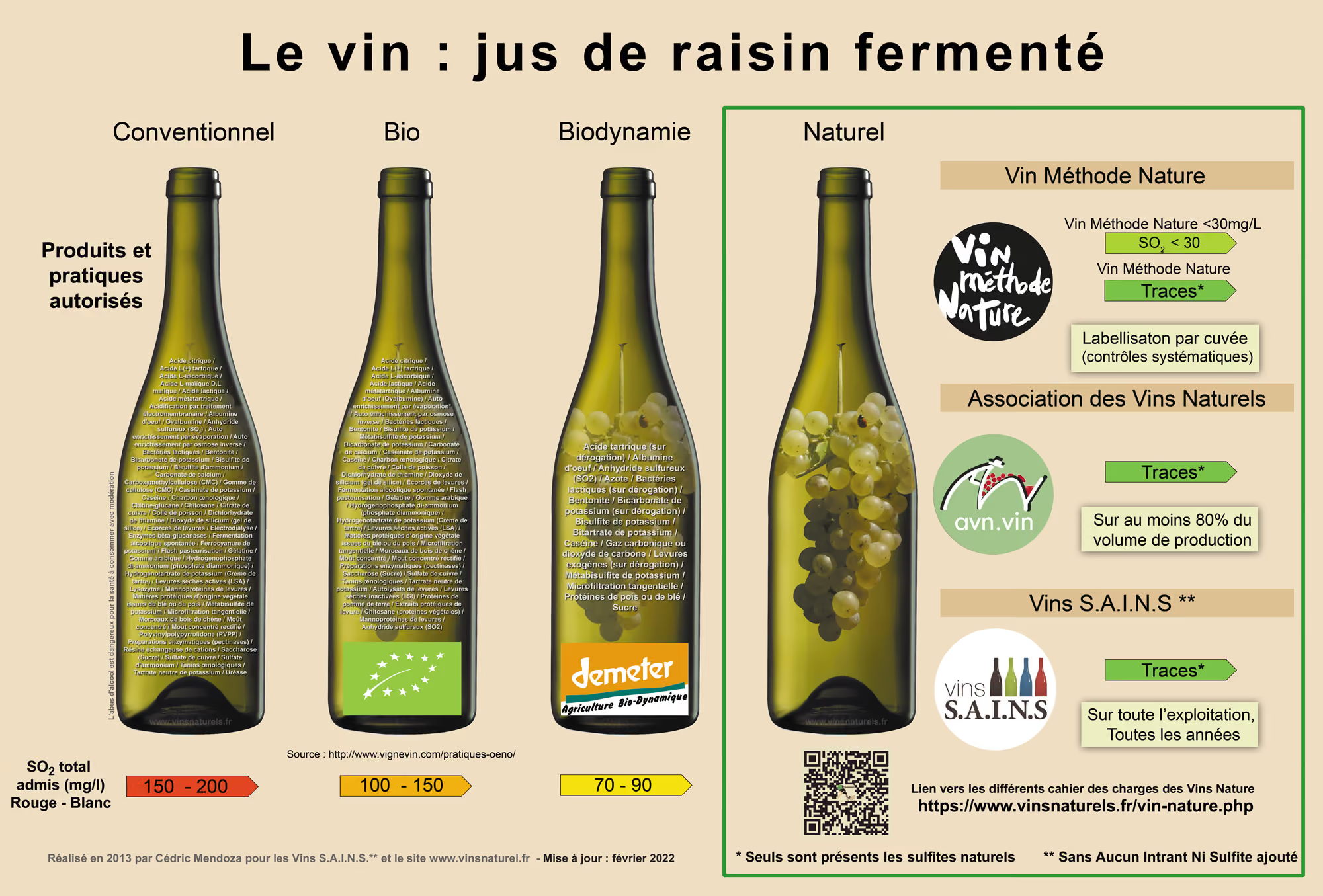
To this day, natural wine does not benefit from a recognized protected appellation from the authorities. However, some private labels, such as "Vin Méthode Nature", guarantee specific practices.
The Key Stages in Making a Natural Wine
1. Hand Harvesting
The grapes are picked entirely by hand to ensure a careful selection of healthy fruit.
2. Natural Fermentation
Fermentation begins thanks to the yeasts naturally present on the grapes, with no added commercial yeasts.
3. Bottling Without Filtration
vin nature is often bottled without filtration or fining, preserving its unique aromas and textures.
The Characteristics of Natural Wines
1. An Expression of Terroir
natural wine faithfully reflects the terroir it comes from, offering authentic and varied flavors.
- Flavor profile: Aromas that are often vivid, sometimes surprising, with a certain rustic edge.
- Distinctiveness: Each vintage can vary depending on weather conditions.
2. A Sometimes Hazy Color
The absence of filtration can give the wine a slightly hazy hue, a sign of its artisanal character.
3. More Delicate Storage
Without sulfites, or with only a minimal dose, natural wine is more sensitive to oxidation and needs to be stored with care.
Why Choose a Natural Wine?
1. Respect for the Environment
The organic and biodynamic practices used to produce vin nature help preserve the ecosystem.
2. Authenticity and Transparency
With natural wine, you’re drinking a product with no additives or chemical manipulation, offering a pure tasting experience.
3. Supporting Small Producers
Natural wines are often made by passionate winegrowers who are deeply attached to their terroir and artisanal methods.
The Criticisms and Limits of Natural Wines
1. No Protected Appellation
The lack of an official protected appellation can create confusion for consumers.
2. Vintage Variability
vin nature can sometimes lack stability, leading to differences in taste from one bottle to the next.
3. Sensitivity to Storage
These wines require precise storage to avoid premature oxidation.
How Do You Recognize a Natural Wine?
1. Labels on the Bottle
Look for terms like "Vin Méthode Nature" or organic certification labels.
2. Producer Transparency
Winegrowers committed to producing natural wines are often open about their practices.
3. Trust Specialized Wine Shops
Independent wine merchants can guide you toward bottles that respect the principles of natural wine.
Food and Wine Pairings with Natural Wines
1. Natural White Wines
- Pairings: Goat cheese, grilled fish, fresh salads.
- Example: A natural Sauvignon with a warm goat cheese salad.
2. Natural Red Wines
- Pairings: Slow-cooked dishes, red meats, grilled vegetables.
- Example: A natural Gamay with a pot-au-feu.
3. Natural Sparkling Wines
- Pairings: Light aperitifs, fruity desserts.
- Example: A pétillant naturel with a red berry tart.
Current Trends Around Natural Wines
1. Rising Popularity
Consumers are increasingly looking for authentic wines that respect the environment.
2. Expanding Offerings
New producers are entering the world of natural wines, broadening the range of choices available.
3. A Responsible Approach
Natural wines fit naturally into a broader commitment to responsible, sustainable consumption.
Tips for Buying and Storing a Natural Wine
1. Buying
- Choose small producers: Their commitment often guarantees superior quality.
- Trust the labels: An organic or biodynamic label is a good indicator.
2. Storage
- Avoid temperature swings: Natural wines are sensitive to heat.
- Drink them soon: These wines are often best enjoyed young, when their freshness is at its peak.
Conclusion: An Authentic and Responsible Experience
natural wine wins people over with its authenticity, respect for the environment, and distinctive flavor. While production remains limited and it requires special care, it offers an incomparable tasting experience. Explore the world of natural wines to discover singular bottles and support sustainable winemaking.
If you enjoyed this article, don't hesitate to read the next one, "Mistakes to Avoid When Buying Wine Online", which may also interest you!
Good to know:
The best way to get better at tasting is to write down what you taste: colour, nose, palate, and above all what you thought of it. Over time, your notes reveal your preferences far better than any guide. In Oeni, every bottle in your cellar has its own tasting sheet, ready to fill in within seconds.