Summarize this article with
The world of wine is evolving, and technology is finding its way into the cellar. Today, winemakers no longer work alone. They rely on smart tools to better understand their vines and improve the quality of their wines. Modern winemaking now rests on data, sensors, and algorithms.
If articles about the world of wine interest you, download our app on iOS or Android. It gives you access to our wine glossary, our articles, and our innovative solution, designed for every wine consumer and collector.
Sensors at the Heart of the Vineyards
Winemakers equip their plots with sensors to collect precise data. Temperature, humidity, sunlight, rainfall: everything is recorded. This information helps anticipate the vine’s needs. Thanks to these tools, interventions become more precise. You water only when it’s necessary. You treat at exactly the right time, with the right products.
This approach reduces chemical inputs and optimizes resources. Wine technology therefore helps produce more sustainably. The data is then analyzed to guide decisions in real time.
Valuable Help at Harvest Time
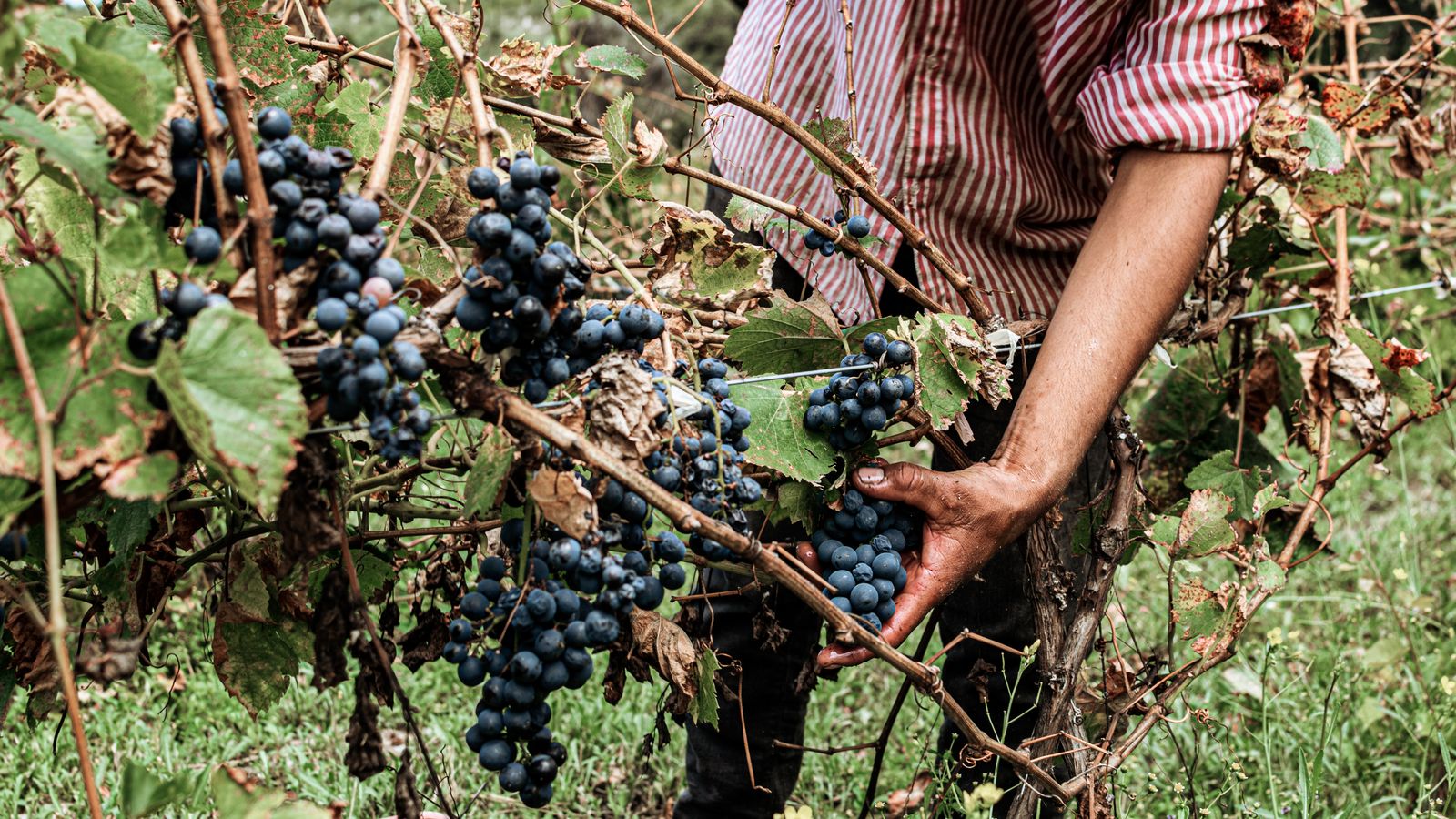
Wine artificial intelligence also plays a role at harvest time. By cross-referencing weather data and grape development, algorithms suggest the ideal date to pick. You no longer rely on intuition alone. You draw on reliable indicators that are tested and updated.
That means harvesting at the best moment, neither too early nor too late. The grapes then reach full maturity. The wine gains in balance, finesse, and aging potential. Modern winemaking therefore begins in the vineyard.
Connected Tools in the Cellar
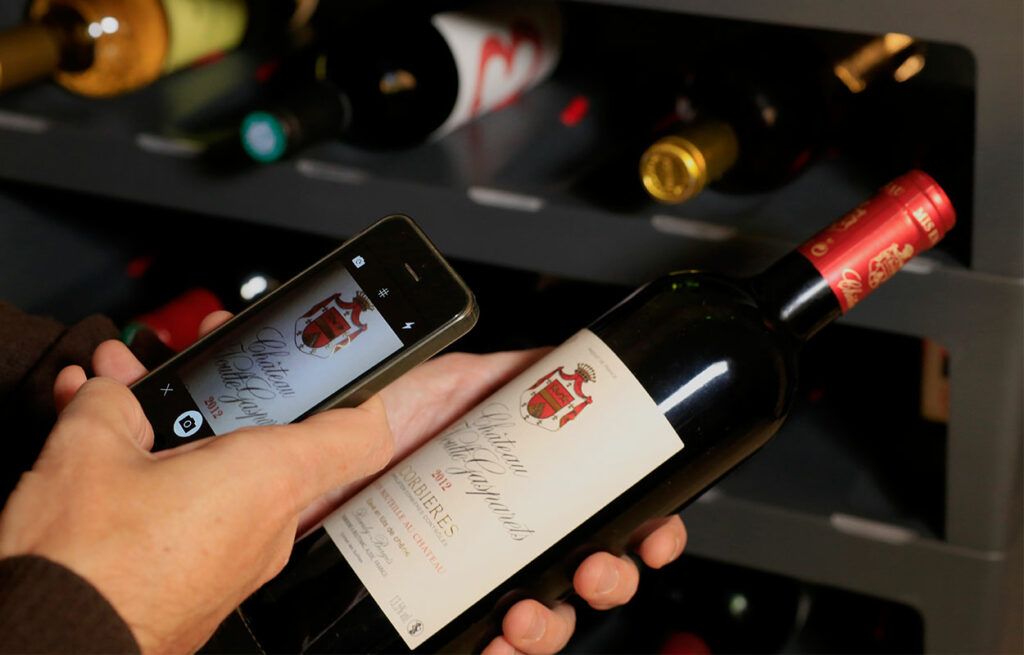
Once the grapes are harvested, wine technology continues its work in the cellar. Connected tanks continuously measure temperature, density, and sugar levels. Winemakers receive alerts if anything drifts off course. They can make quick corrections without waiting.
These tools make fermentation easier to control. Wine artificial intelligence learns from each cuvée. It stores the ideal conditions for every profile. It then suggests adjustments to improve the result.
That precision strengthens the consistent quality of one vintage after another.
A Strategic Decision-Making Tool
Some software goes further. It supports the winemaker in strategic choices. Which blend should you favor? Which aging approach should you choose? Which fermentation temperature best brings out the fruit?
Wine artificial intelligence compares past data with the results achieved. It simulates different scenarios. The winemaker stays in control, but gains greater visibility. Choices become sharper and more confident.
Modern winemaking doesn’t replace human expertise. It complements it with precise, objective analysis.
Intelligent Inventory Management
Estates also use AI to manage inventory. Algorithms forecast demand according to seasons, markets, or trends. That helps avoid overproduction and shortages. Storage becomes smoother and more cost-effective.
Smart tools also track how wines evolve in bottle. They flag cuvées that are ready to go on sale. They suggest stock rotations based on aromatic development.
Wine technology is transforming logistics and sales as a result.
Concrete Benefits for Quality
Thanks to AI, wines gain in consistency. Each cuvée reflects the intended style more closely. Faults are reduced. The gaps between vintages become less pronounced. That consistency builds consumer confidence.
Modern winemaking also makes it possible to explore new profiles. Winemakers test short macerations, gentle extractions, or longer fermentations. Wine artificial intelligence supports them in these trials.
It identifies what works, what surprises, and what wins people over. It opens new creative paths.
A Better Understanding of Terroir
By cross-referencing thousands of data points on soil, climate, and grape varieties, AI reveals subtle connections. Some soils bring out certain grape varieties more clearly. Some areas stand up better to drought.
Winemakers then adapt their plantings. They choose the most suitable plots. Wine technology therefore enhances terroir expression. It doesn’t erase it. It explores it, sharpens it, and amplifies it.
That respect for nature, combined with rigorous analysis, creates more authentic wines.
Toward More Sustainable Viticulture
Environmental concerns remain at the heart of the conversation. Wine artificial intelligence helps reduce treatments, limit losses, and improve efficiency. Unnecessary interventions are avoided. Every action is optimized. That lowers the estate’s carbon footprint.
Modern winemaking becomes an ecological tool. It protects the vines, biodiversity, and soils. It fits into a broader agricultural transition. Innovative estates show that it’s possible to combine tradition and modernity without betraying their roots.
People Still Come First
Despite the algorithms, sensors, and data, nothing replaces the winemaker’s eye. AI guides, but it doesn’t command. It advises, but it doesn’t decide on its own. The winemaker remains the architect of taste.
Final choices still rely on experience, intuition, and passion. Wine technology becomes a partner. It lightens certain tasks. It opens up new perspectives. But it respects the soul of the wine.
A Future Already Underway
Modern winemaking is no longer limited to major estates. More and more independent winemakers are adopting these tools. The solutions are becoming more accessible, flexible, and adaptable. They can be tailored to different needs, vineyard sizes, and budgets.
Wine artificial intelligence is everywhere now: in the vineyards, the cellars, the offices. It is redefining the profession without stripping it of its character. It enriches it, supports it, and prepares it for the future.
If you enjoyed this article, feel free to read the next one, "How do you build a balanced, evolving wine cellar?", which may also interest you!
Good to know:
The best way to get better at tasting is to write down what you taste: colour, nose, palate, and above all what you thought of it. Over time, your notes reveal your preferences far better than any guide. In Oeni, every bottle in your cellar has its own tasting sheet, ready to fill in within seconds.