Summarize this article with
Urban viticulture has seen a surprising surge in recent years. City dwellers are rediscovering the pleasure of growing vines in the heart of the city. These projects give rise to a unique urban wine with a strong local identity. The trend appeals to both enthusiasts and professionals.
If articles about the world of wine interest you, download our app on iOS or Android. It gives you access to our wine glossary, our articles, and our innovative solution, designed for every wine consumer and collector.
Understanding the concept of an urban vineyard
An urban vineyard is a plot of vines planted in a city setting. These plantings can be found on rooftops, in parks, or on vacant lots. Urban grape growing brings wine production closer to local residents. It creates a direct link between urban terroir and the consumer. Volumes remain modest, but the social and cultural impact is significant.
The long history of urban viticulture
Urban viticulture is far from a modern invention. In the Middle Ages, many cities had their own vines. Paris, Lyon, and Marseille once had vines growing right next to homes. The decline came with industrialization and rapid urbanization. Today, urban vineyards are being reborn through community and nonprofit initiatives. Urban wine is finding its place in local heritage once again.
The motivations behind urban grape growing

Several reasons explain this enthusiasm. Some people want to bring unused land back to life. Others want to raise awareness among city residents about urban viticulture. Urban wine production also encourages local consumption. Residents sometimes take part in the harvest, strengthening the sense of community. Urban grape growing is also part of an eco-friendly approach.
The specific challenges of an urban vineyard
Establishing an urban vineyard means working around unique constraints. Available space is limited, which reduces plot size. Urban grape growing also has to adapt to air pollution. Urban soils may contain traces of heavy metals. Urban viticulture projects often require preliminary analysis. These studies help ensure the safety and quality of the future urban wine.
Cultivation techniques suited to the city
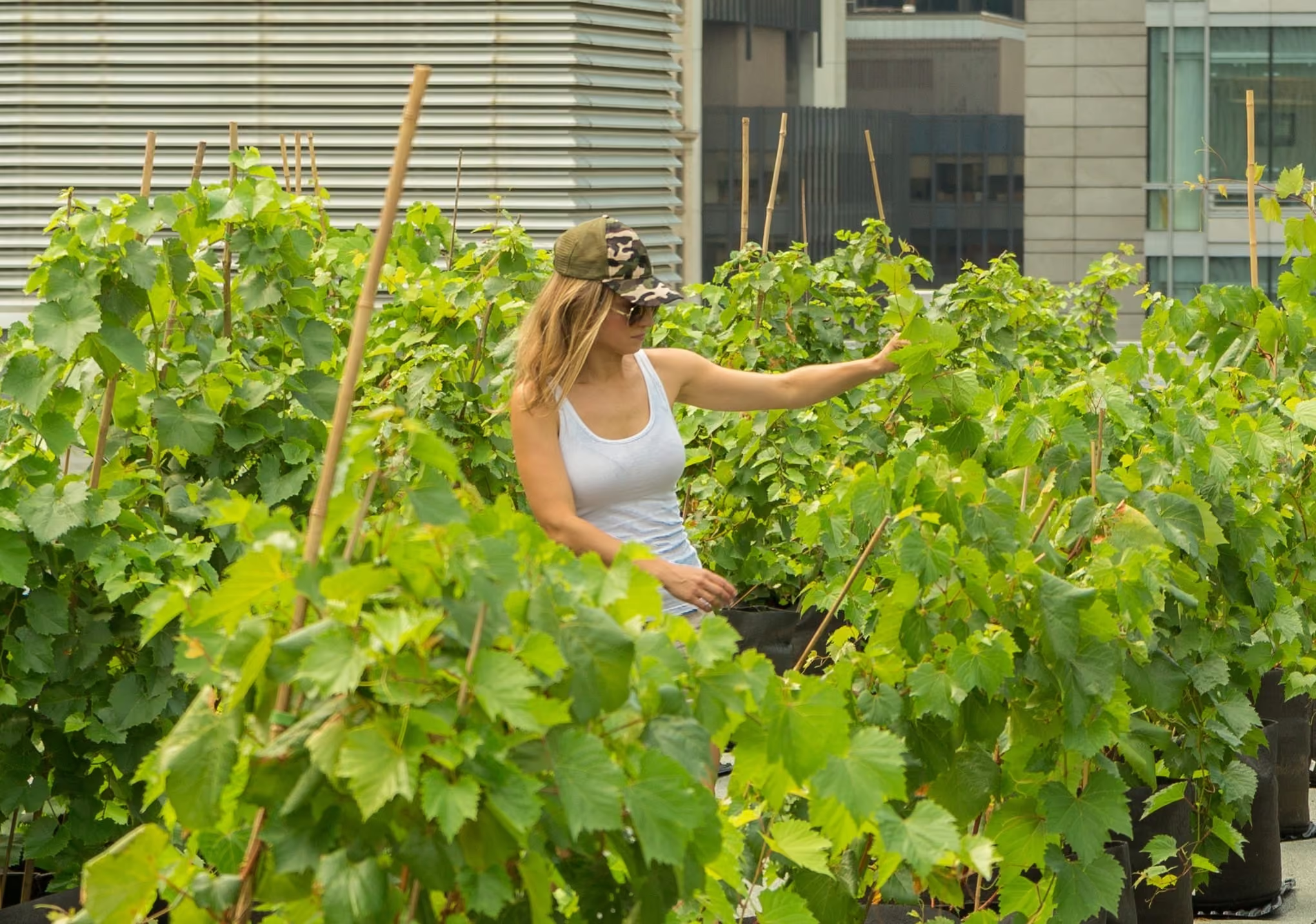
To optimize an urban vineyard, growers use specific methods. Planting in bins or pots helps bypass soil constraints. Drip irrigation saves water in urban grape growing. Short pruning makes management easier in tight spaces. Urban viticulture also relies on disease-resistant grape varieties. This limits chemical treatments and helps preserve local biodiversity.
Famous examples of urban wine
Some cities stand out for their iconic urban vineyards. Paris has the vines of Montmartre, known for their small-batch urban wine. Lyon has brought vines back to life on its historic slopes. In New York, urban grape growing takes place on specially fitted rooftops. Each urban viticulture project expresses its own identity. The bottles become symbolic objects as much as sensory ones.
The economic and social benefits
An urban vineyard energizes a neighborhood and draws visitors. Sales of urban wine support the local economy. Urban grape growing also creates opportunities for jobs and training. Urban viticulture projects often involve schools, associations, or restaurants. This educational dimension raises awareness of natural cycles and responsible farming.
The role of research in urban viticulture
Urban viticulture benefits from extensive scientific research. Researchers study the impact of pollution on vines grown in the city. They develop solutions to improve grape quality. Innovations also focus on growing systems and water management. These advances strengthen the viability of urban vineyards. They help produce urban wine of consistent quality.
Events centered around the urban vineyard
Many cities host harvest festivals. These events showcase urban grape growing and local heritage. Tastings let you discover the diversity of urban wine. Educational activities explain the stages of urban viticulture. These gatherings create a strong bond between producers and residents.
The future of urban micro-vineyards
The growth of urban vineyards will depend on how much room cities make for nature. Urban grape-growing projects are appealing because of their environmental dimension. Urban viticulture could become more diverse through public-private partnerships. Urban wine could become a powerful symbol of a metropolis’s identity. The coming years will confirm whether this is a lasting trend.
If you enjoyed this article, don't hesitate to read the next one, "How can you easily track the bottles in your cellar without writing everything down by hand?", which might also interest you!
Good to know:
The best way to get better at tasting is to write down what you taste: colour, nose, palate, and above all what you thought of it. Over time, your notes reveal your preferences far better than any guide. In Oeni, every bottle in your cellar has its own tasting sheet, ready to fill in within seconds.