Summarize this article with
Home wine aging is an art that can enhance the complexity and depth of aromas. To get a wine that has aged well, you need to follow a few key rules.
Why age your wine at home?
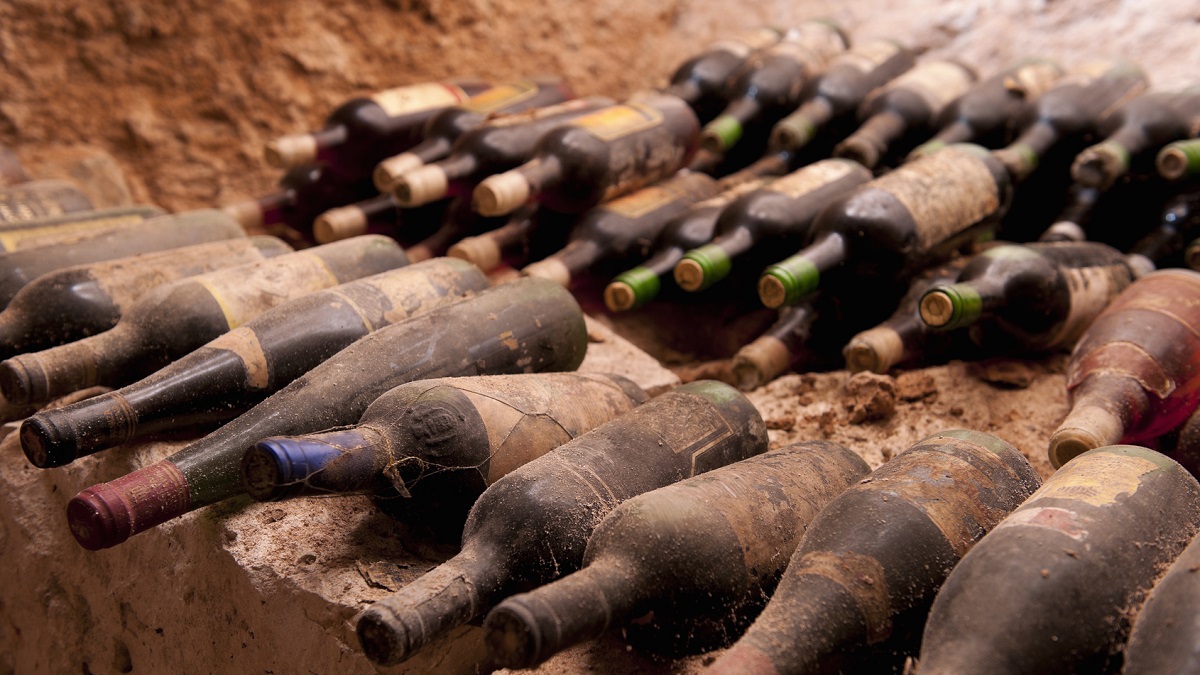
Not every wine needs long aging, but some gain character and complexity over time. Aging allows you to:
- Develop more subtle aromas.
- Soften the tannins in red wines.
- Improve the balance between acidity and alcohol.
- Increase the long-term value of certain bottles.
However, poor storage can damage a wine and make it undrinkable. Following the right practices is essential.
The ideal conditions for storing your wine
Successful aging depends on five essential factors:
1. The ideal temperature
Temperature plays a key role in how wine evolves. Too much heat speeds up aging, while temperatures that are too low slow it down.
- Ideally between 50 and 57°F for all types of wine.
- Avoid sudden swings that can damage the wine’s structure.
- Avoid rooms that are too warm, such as the kitchen or living room.
2. Humidity to protect the corks
Humidity is often overlooked in wine cellar management. If levels are too low, the cork dries out and lets oxygen into the bottle.
- A humidity level between 60 and 75% is recommended.
- Avoid air that’s too dry, which can cause premature oxidation.
- Avoid excessive humidity to prevent mold.
3. Complete darkness
Light can damage wine by causing premature oxidation.
- Store wine in a dark place or use solid doors on electric wine cellars.
- Avoid neon bulbs that emit harmful UV rays.
4. Proper positioning
The way bottles are stored affects cork quality.
- Store bottles on their sides so the cork stays in contact with the wine and doesn’t dry out.
- Screw-cap bottles can be stored upright without risk.
5. No vibrations
Vibrations disrupt the wine’s chemical structure.
- Don’t store your bottles near a washing machine or refrigerator.
- Choose a stable location, especially for wines meant for aging.
What type of wine cellar should you choose?
Depending on the space you have available, several solutions can help optimize home wine aging.
1. The natural cellar
Ideal for large collections, an underground cellar naturally provides ideal wine conditions.
- Good insulation ensures a stable temperature.
- Humidity is naturally regulated.
- A gravel floor helps regulate temperature.
2. An electric wine cellar
For those without a cellar, a wine cabinet is an excellent alternative.
- It keeps temperature and humidity constant.
- It protects against vibrations and light.
- It’s ideal for an apartment or a modern house.
3. A fitted space in a closet or basement
If you don’t have a cellar or a wine cabinet, you can create a small space in a closet.
- Choose a spot with no direct light.
- Add a thermometer and hygrometer to monitor conditions.
- Make sure there are no strong odors that could seep into the wine.
Which wines should you age?
Not every wine is meant to be kept for a long time. Some should be drunk young, while others improve with age.
1. Age-worthy red wines
Tannic red wines are the best suited to aging.
- Bordeaux Grand Cru: 10 to 20 years.
- Barolo and Brunello di Montalcino: 10 to 30 years.
- Côte-Rôtie or Châteauneuf-du-Pape: 10 to 15 years.
2. White wines that can age well
Some white wines can evolve beautifully over time.
- Great Burgundy appellations (Meursault, Chablis Grand Cru): 10 to 15 years.
- German Riesling: 10 to 20 years.
- Sauternes and sweet wines: 20 years and more.
3. Wines to drink young
Some wines should be enjoyed quickly to preserve their freshness.
- Beaujolais Nouveau: drink within the year.
- Rosé wines: 1 to 2 years maximum.
- Light white wines: 2 to 3 years.
How do you manage a wine cellar properly?
Managing your cellar effectively helps you avoid mistakes and optimize home wine aging.
1. Keep a precise inventory
Good tracking helps you avoid forgetting bottles and lets you plan when to drink them.
- Use an app or notebook to record bottles coming in and going out.
- Note purchase dates and vintages.
- Sort bottles by drinking order.
2. Respect the order of the bottles
Bottles should be arranged logically.
- Put wines to drink young at the front.
- Keep age-worthy wines in the most stable parts of the cellar.
- Store bottles on their sides and not stacked to avoid breakage.
3. Check the wines regularly
Regular checks help you avoid unpleasant surprises.
- Watch the color evolve to spot any possible oxidation.
- Check liquid levels to make sure there are no leaks.
- Taste some wines to see how they’re evolving.
Conclusion: aging your wine well at home
Successful home wine aging depends on ideal wine conditions and good wine cellar management. Stable temperature, controlled humidity, and proper storage all help your bottles evolve harmoniously.
If you want to create the ideal wine cellar, adapt your space and choose the right wines to age. With good tracking, every bottle can express its full potential.
If you enjoyed this article, feel free to read the next one, "The benefits of an underground wine cellar for collectors", which might interest you too!
Good to know:
The best way to get better at tasting is to write down what you taste: colour, nose, palate, and above all what you thought of it. Over time, your notes reveal your preferences far better than any guide. In Oeni, every bottle in your cellar has its own tasting sheet, ready to fill in within seconds.