Summarize this article with
The Maghreb, a land of contrasts and traditions, is home to a wine heritage that’s often underestimated. Yet Moroccan wines, the output of Algeria’s vineyards, and Tunisia’s grape varieties all have rich histories and distinctive flavors. Let’s discover these hidden treasures and their revival on the international wine scene.
A Thousand-Year-Old Wine Heritage
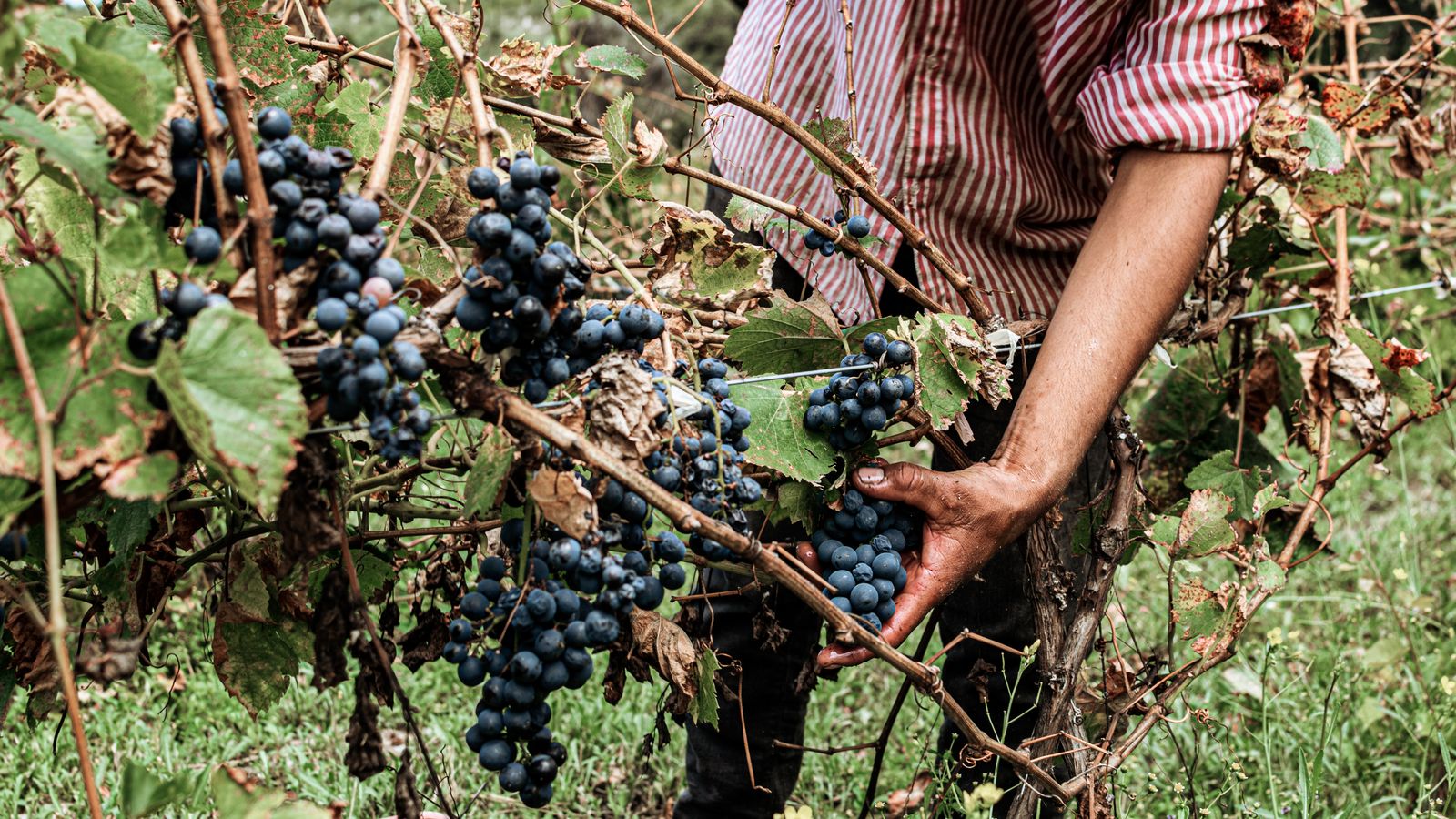
Grape growing in North Africa dates back to antiquity, when the Phoenicians introduced viticulture to Tunisia and Morocco. The Romans later expanded wine production, especially in Algeria, to supply their empire. Despite Arab rule and the influence of Islam, grape growing never completely disappeared, especially under French colonization.
Timeline: 3,000 Years of Maghreb Viticulture
- 6th century BC – The Phoenicians introduce the vine to North Africa. The first traces of wine in Morocco date back to this period, around Volubilis.
- 1st–3rd century AD – The Romans massively expand viticulture. The wines of Mauretania Tingitana (northern present-day Morocco) are served on patrician tables in Rome.
- 7th century – The Arab conquest and Islam slow production, but don’t erase it. Jewish and Christian communities keep the wine tradition alive.
- 19th century – Phylloxera devastates European vineyards from 1875 onward. French, Spanish, and Italian merchants create domaines in the Maghreb to source wine.
- 20th century (colonization) – France massively develops viticulture in all three countries. Algeria briefly becomes the world’s 4th-largest producer.
- After independence (1956–1962) – Vineyards retreat, domaines are nationalized, and quality declines.
- Since the 1990s – A wine revival in Morocco and Tunisia, modern investment, a move upmarket, and export growth.
Moroccan Wines: A Balance Between Tradition and Modernity
Morocco is now one of Africa’s largest wine producers. With more than 50,000 hectares of vineyards, the country offers an impressive range of red, rosé, and white wines.
Morocco’s Main Wine Regions
- Meknès : The capital of Moroccan wine, this region enjoys a Mediterranean climate that’s ideal for grape growing.
- Berkane : Located in the northeast of the country, it mainly produces fruity rosé and red wines.
- Benslimane : Known for its full-bodied reds and aromatic whites.
Morocco’s Signature Grape Varieties
Morocco uses international grape varieties such as Cabernet Sauvignon, Syrah, and Merlot, as well as local varieties like Faranah, a white grape that produces floral, elegant wines.
Morocco has 1 AOC (Appellation d'Origine Contrôlée) and 14 AOG (Appellation d'Origine Garantie), the equivalent of French IGPs.
Moroccan vin gris deserves a special mention: a very pale rosé made mainly from Cinsault or Grenache gris, it’s the local specialty par excellence. Fresh, light, and perfect with summer grilled dishes.
Algeria’s Vineyards: A Production in Revival
Once the leading exporter of wine to France, Algeria saw its wine industry decline after independence. Today, it’s enjoying a revival driven by passionate producers.
Exceptional Terroirs
Algerian vineyards are concentrated along the country’s northern coast, where the Mediterranean climate allows grapes to ripen beautifully. Among the key wine-growing areas, you’ll find:
- Tlemcen : A region known for powerful wines, especially reds.
- Médéa : Known for balanced, aromatic wines.
- Mascara : One of the country’s oldest wine-growing areas.
Algeria grows traditional grape varieties such as Cinsault, Grenache, and Carignan, which produce generous, spicy wines. You’ll also find trials with international varieties to broaden the range.
Tunisia’s Grape Varieties: Between Sea and Mountains
Tunisia has a wine culture shaped by France and Italy. The country enjoys an ideal climate for producing a wide range of wines, often from organic farming.
Tunisia’s Main Wine Regions
- Cap Bon : The best-known region, producing structured reds and refreshing whites.
- Mornag : Located south of Tunis, it produces elegant reds with spicy notes.
- Kélibia : Renowned for its aromatic white wines.
Tunisia: Muscat de Kélibia, an Underrated Gem
The Muscat de Kélibia is arguably Tunisia’s most distinctive wine: a floral white, lightly sweet, with notes of citrus and white flowers. Drink it chilled, ideally with seafood or grilled fish.
Profile of Tunisian Wines by Color:
Export: Tunisia mainly exports to France, Germany, and Switzerland. Les Vignerons de Carthage is the sector’s leading player.
Why Maghreb Wines Are Worth Discovering
Maghreb wines offer an original alternative to European wines, with intense aromas, silky textures, and spicy notes. More and more domaines are adopting eco-friendly practices and favoring artisanal winemaking methods.
Conclusion: Treasures to Explore
The Maghreb is full of little-known wine treasures that deserve to be explored. By discovering Moroccan, Algerian, and Tunisian wines, wine lovers can enjoy unique flavors and incomparable cultural richness.
If you enjoyed this article, feel free to read the next one, "How to Pair Wines and Charcuterie for a Successful Aperitif", which might interest you too!
FAQ
Can you find Maghreb wines in France?
Yes. Boulaouane gris (Morocco) is available in most major supermarkets. For higher-quality cuvées, you’ll need to turn to specialist wine shops or e-commerce sites.
Which Maghreb wine should you choose to start with?
Boulaouane gris is an excellent entry point: approachable, fresh, and versatile. To go further, Château Roslane (Morocco) or a Muscat de Kélibia (Tunisia) offer a rewarding discovery.
Can Maghreb wines age?
Quality reds (Château Roslane, Tandem) can age for 5 to 10 years. Vin gris and white wines are best enjoyed young, within 2 to 3 years of the harvest.
What’s the difference between a vin gris and a rosé?
Vin gris is a very pale rosé, almost translucent, made by direct pressing of red grapes without maceration. It’s a Moroccan specialty (Boulaouane) and also found in Alsace. It’s generally lighter and less fruity than a classic rosé.
Are Algerian wines exported?
Very little. Algerian production is mainly consumed locally or within the diaspora. Sidi Brahim is the best-known brand in France, although it’s now produced in Morocco.
Good to know:
The best way to get better at tasting is to write down what you taste: colour, nose, palate, and above all what you thought of it. Over time, your notes reveal your preferences far better than any guide. In Oeni, every bottle in your cellar has its own tasting sheet, ready to fill in within seconds.