Summarize this article with
Swiss wines are often overlooked by the general public, yet they deserve the full attention of anyone who loves a great bottle.
Switzerland has a unique winemaking heritage, shaped by its Alpine landscapes and its rare grape varieties. Blending centuries-old tradition with a modern spirit, the Alpine vineyards produce exceptional wines that stand alongside the best in Europe.
Let’s take a closer look at what makes these wines so special, along with the emblematic grape varieties and the Swiss wine regions you shouldn’t miss.
A unique terroir shaped by the mountains
The Alpine vineyards benefit from ideal conditions for producing wines of remarkable finesse. Altitude, varied soils, and the influence of the lakes all contribute to a very distinctive style of viticulture.
- A favorable climate : Thanks to the Alps and the lakes, the climate is temperate, with warm summers and harsh winters. The temperature swings help the grapes develop bright acidity and aromatic complexity.
- Diverse soils : The soils of Swiss wines range from limestone to granite and schist, creating rich and varied flavor profiles.
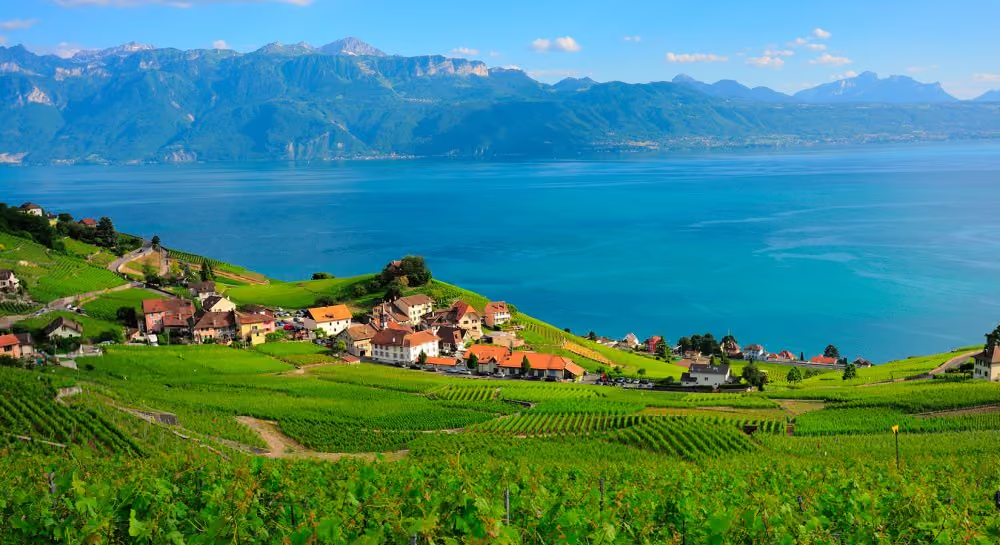
- Terraced vines : In some regions, such as Lavaux, the vines are grown on steep terraces, giving them ideal sun exposure.
This exceptional terroir gives rise to balanced, elegant wines full of character.
Rare and indigenous Swiss grape varieties
One of the great hallmarks of Swiss wines is the use of rare grape varieties found nowhere else. Switzerland protects and celebrates its wine heritage through these distinctive grapes.
The emblematic white grape varieties
- Chasselas : The most widely planted white grape in Switzerland, especially in the canton of Vaud. It produces light, floral, easy-drinking wines.
- Petite Arvine : Native to Valais, it produces elegant white wines with citrus notes and a subtle saline edge.
- Amigne : A unique Valais grape, often made in a sweet style, offering aromas of honey and spice.
Typical red grape varieties
- Gamay : Less well known than its Beaujolais cousin, Swiss Gamay is fruity and fresh, ideal with local cuisine.
- Humagne Rouge : An intense red wine with notes of black fruit and spice, often considered one of the finest Swiss reds.
- Cornalin : A powerful, spicy, structured red wine.
These grape varieties are the soul of Swiss wines, offering unique flavors worth exploring.
Switzerland’s great wine regions

Switzerland has six major wine regions, each with its own character and dominant grape varieties.
1. Valais: the largest wine region
With 5,000 hectares of vines, Valais is the leading producer of Swiss wines. You’ll find rare grapes such as Petite Arvine, Amigne, and Cornalin here. Its sunny, dry climate favors powerful, aromatic wines.
2. Vaud: the kingdom of Chasselas
The canton of Vaud is known for its magnificent terraced vineyards overlooking Lake Geneva. Chasselas reigns supreme here, producing white wines of remarkable finesse. Lavaux, a UNESCO World Heritage site, is one of the region’s wine jewels.
3. Geneva: modern, approachable wines
The Geneva region produces a wide range of wines, from fruity Gamay to elegant whites made from Chardonnay and Sauvignon Blanc. It’s a dynamic region, constantly innovating.
4. Ticino: the home of Merlot
With its more Mediterranean climate, Ticino is renowned for its beautifully elegant Merlots. Here, this red grape shows generous notes of black fruit and spice.
5. Neuchâtel: the birthplace of Œil-de-Perdrix
This region is famous for its Œil-de-Perdrix, a delicate rosé made from Pinot Noir. It also produces fresh, floral white wines.
6. German-speaking Switzerland: discreet but high quality
Though less well known, this region produces excellent white and red wines, especially from Riesling-Sylvaner and Pinot Noir.
Why do Swiss wines remain so under the radar?
Despite their exceptional quality, Swiss wines remain little known internationally. Several reasons explain why:
- Limited production : Switzerland produces around 1 million hectoliters of wine a year, which is very little compared with neighboring France or Italy.
- Strong local consumption : More than 90% of Swiss wine is consumed at home, leaving little for export.
- High production costs : The Alpine vineyards require intensive manual work, pushing costs higher than in many other countries.
Still, their quality and authenticity make them increasingly sought after by wine lovers.
What dishes pair well with Swiss wines?
The Swiss wines pair beautifully with both local and international cuisine.
- A Chasselas is a perfect match for raclette or fondue.
- A Cornalin pairs very well with grilled red meat.
- A Swiss Pinot Noir elevates poultry-based dishes.
- A Petite Arvine pairs beautifully with seafood or aged cheeses.
Swiss rare grape varieties offer a wide palette of flavors, opening the door to many food and wine pairings.
Why taste Swiss wines?
Swiss wines are a true discovery for anyone seeking authenticity. Thanks to their rare grape varieties, varied terroirs, and artisanal production, they offer a truly unique tasting experience.
If you love quality wines and want to explore new flavors, let yourself be tempted by these exceptional bottles.
If you enjoyed this article, don't hesitate to read the next one, "The Most Expensive Wines in the World: A Dive into the World of Luxury", which might also interest you!
Good to know:
The best way to get better at tasting is to write down what you taste: colour, nose, palate, and above all what you thought of it. Over time, your notes reveal your preferences far better than any guide. In Oeni, every bottle in your cellar has its own tasting sheet, ready to fill in within seconds.