Summarize this article with
The 75 cl format is now the global standard for wine. But this story of the wine bottle isn’t based on chance alone. It comes from cultural heritage, practical choices, and commercial logic.
If articles about the wine world interest you, download our app on IOS or Android. It gives you access to our wine glossary, our articles, and our innovative solution, designed for every wine consumer and collector.
Practical origins above all
Before the 19th century, wine bottles weren’t standardized. Every glassblower made containers of varying sizes, often close to 70 to 80 cl. But as international trade expanded, defining a standard wine format became essential.
The English, great fans of Bordeaux, played a key role. They imported wine in barrels, then bottled it on site. A Bordeaux barrel holds 225 liters. Divide that volume by 300 bottles, and you get... 75 cl per bottle. That simple calculation, tied to logistics, marked the beginning of standardization.
The link between the bottle and an individual serving
In taverns and homes, 75 cl also matched a sensible serving for two or three people. A fair share in glasses helped cement the everyday use of this format.
What’s more, in an era without long-term preservation, the bottle had to be finished quickly. The standard wine format offered the ideal balance between quantity, consumption, and freshness.
A legal and commercial shift
In the 20th century, several countries officially adopted the format. In France, a decree in the 1950s made the 75 cl bottle the unit of measure. Producers and merchants could then align with precise standards, making trade easier.
From a logistics standpoint, cases of 6 or 12 bottles quickly became the norm. They made transport, storage, and wholesale easier. Even today, this packaging dominates, reinforcing the influence of this standard wine format across the entire distribution chain.
A unit that became international
With globalization, French and English practices spread. The United States, after Prohibition, also adopted this format. The gallon equivalents came close to the liter, making the conversion simple and acceptable.
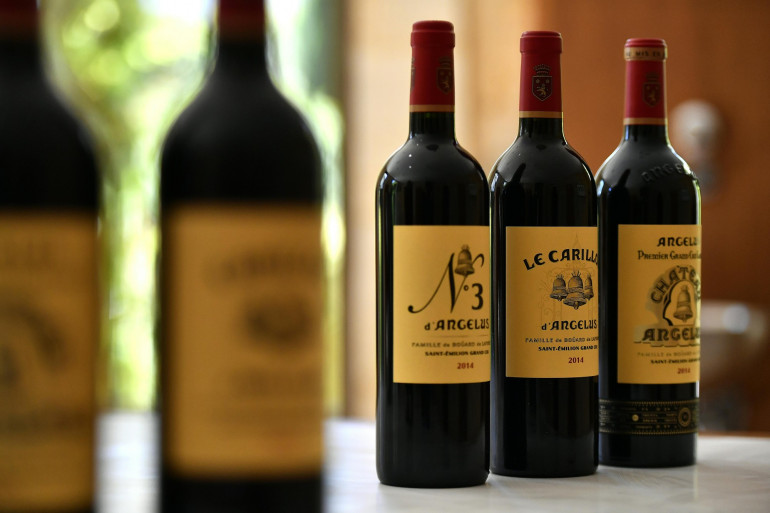
Today, the 75 cl bottle is the standard in more than 90% of cases, whatever the grape variety, origin, or style. It allows for a complete tasting without excess and suits most drinking occasions.
Why not 1 liter or 50 cl?
Some consumers wonder why we don’t simply choose 1 liter to make the math easier. The answer is twofold: first, the origins of the 75 cl wine format are deeply rooted in habit. Second, a liter is often too much for one person and too little for four.
By contrast, 50 cl is too little for a meal for two. Alternative formats certainly exist, but they’re meant for specific settings: solo tasting, fast-casual dining, or gift sets.
Other formats and how they’re used
Even if the 75 cl bottle remains the standard, other formats leave a strong impression. The magnum (1.5 l) is often associated with special occasions. Half-bottles (37.5 cl) appeal to travelers or by-the-glass wine lovers.
You’ll also find prestigious formats such as jeroboam, methuselah, or nebuchadnezzar, reserved for festive events. But for everyday drinking, the 75 cl bottle is still unbeatable.
An ideal size for aging

The 75 cl volume also has advantages for preservation. It offers a good contact surface between the wine and the air inside the bottle. This ratio encourages graceful aging, without excessive oxidation.
What’s more, this format allows for an effective seal with a standard cork. The sealing and breathing properties of cork work perfectly with a bottle of this size.
The impact on how wine is perceived
The format also plays a psychological role. A 75 cl bottle gives an impression of generosity without excess. It invites conviviality, sharing, and discovery.
In restaurants, it offers a strong price-to-volume ratio. At home, it becomes the perfect partner for a balanced dinner. So this isn’t just a technical choice. It’s also a matter of perception and emotion.
A format that serves the economy
The standard 75 cl wine format also makes production easier. Bottling lines are calibrated for this volume. Suppliers of bottles, labels, corks, and cartons all optimize their work around this reference point.
Changing the format would affect the entire process. That’s why professionals remain loyal to this standard, even when they innovate in other ways.
The format’s future evolution
Admittedly, new trends are emerging today. Wine cans, pouches, and small formats are reaching new audiences. Environmental concerns are pushing some players to rethink packaging.
Still, the 75 cl bottle retains strong symbolic power. It stands for tradition, elegance, and conviviality. Even in the face of innovation, its reign doesn’t seem under threat anytime soon.
If you enjoyed this article, don’t hesitate to read the next one, "How to Create a Wine List for a Private Event", which may also interest you!
Good to know:
The best way to get better at tasting is to write down what you taste: colour, nose, palate, and above all what you thought of it. Over time, your notes reveal your preferences far better than any guide. In Oeni, every bottle in your cellar has its own tasting sheet, ready to fill in within seconds.