Summarize this article with
Blending wine is a subtle art that shapes the identity of the greatest wines. It’s not just about mixing different grape varieties, but about creating the perfect balance of structure, aromas, and aging potential. This essential step in winemaking techniques is practiced in many wine regions, especially Bordeaux and Champagne.
How do you create a successful blend? What are the essential criteria for producing great wines? Let’s uncover the secrets behind this winemaking alchemy.
What Is Wine Blending?
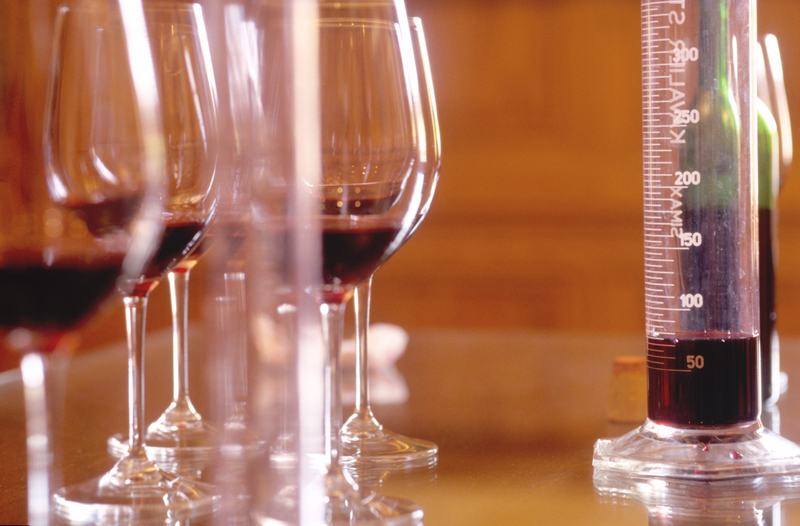
Blending brings together several grape varieties or several parcels from the same domaine to create a harmonious wine. Unlike single-varietal wines, which showcase just one grape, blending adds complexity and improves the wine’s overall balance.
Why Blend Several Wines?
- Balance the flavors: each grape variety brings its own character in terms of acidity, tannins, and aromas.
- Optimize aging potential: some varieties age better than others, and a well-crafted blend strengthens a wine’s longevity.
- Offset climate variation: in a difficult vintage, blending can make up for a lack of aroma or structure.
The Great Regions for Blended Wines
Some wine regions are especially renowned for blending, including:
- Bordeaux: the classic blend combines Cabernet Sauvignon, Merlot, and Cabernet Franc to create complex, balanced wines.
- Champagne: the combination of Chardonnay, Pinot Noir, and Pinot Meunier produces elegant, expressive cuvées.
- Châteauneuf-du-Pape: this Rhône appellation blends up to 13 different grape varieties, offering rich, powerful wines.
Blending is also used in other regions, especially in Provence for rosés or in Languedoc for red and white wines.
The Key Steps in Wine Blending
Blending follows several essential steps to ensure the quality and consistency of the final wine.
1. Selecting the Base Wines
Before blending, the winemaker tastes each wine separately. They assess:
- Aromatic profile: fruit-driven, floral, spicy, mineral.
- Structure on the palate: acidity, tannins, roundness.
- Aging potential: the ability to improve over time.
2. Blend Trials
The first trials are made in small quantities. The winemaker mixes different percentages of grape varieties to find the best balance.
3. Refining the Blend
Once the ideal combination is found, the blend is refined in tank or barrel so the different components can come together in harmony.
4. Bottling
After a resting period, the wine is filtered and bottled. Some great wines still need several years of aging before they’re released.
The Grape Varieties Most Often Used in Great Wine Blends
Each grape variety has its own strengths and plays a key role in building the final wine.
Red
- Cabernet Sauvignon: tannic structure, aromas of black fruit and spice.
- Merlot: roundness, intense fruit, supple texture.
- Syrah: power, peppery and floral notes.
- Grenache: softness, warmth, and notes of ripe red fruit.
White
- Chardonnay: elegance, roundness, and aging potential.
- Sauvignon Blanc: freshness, acidity, and citrus aromas.
- Riesling: vibrancy and aromatic complexity.
- Viognier: floral intensity and a velvety texture.
The choice of grape varieties depends on the winemaker’s goals and the specific character of the terroir.
How Can You Recognize a Successfully Blended Wine?
A well-executed blend should offer:
- Perfect balance between acidity, tannins, and aromas.
- A complex aromatic profile, with several layers of flavor that evolve on the palate.
- A long finish: the best blends leave a lasting impression after tasting.
In great wines, blending is designed to express the best of the terroir and ensure consistent quality from one vintage to the next.
Blending in the Production of Sparkling Wines
Blending is an essential step for sparkling wines, especially in Champagne.
- Champagne houses create consistent cuvées by blending several vintages and parcels.
- Chardonnay brings freshness and finesse, while Pinot Noir adds structure and Pinot Meunier brings fruitiness.
- Vintage cuvées, produced only in the best years, reflect more clearly the character of the terroir and the harvest year.
A good blend guarantees the consistency and elegance that made these great houses famous.
The Challenges and Limits of Blending
While blending can elevate a wine, it also comes with challenges:
- Grape variety variation: each year, grape quality changes depending on the weather.
- The winemaker’s experience: creating a great blend takes real expertise and a finely tuned palate.
- Respecting the terroir: a blend should reflect the identity of a vineyard without masking its authenticity.
Great winemakers know how to juggle these factors to produce exceptional wines.
Conclusion
Wine blending is a key winemaking technique in the creation of great wines. It brings grape varieties into harmony and reveals the full potential of a terroir. Thanks to a precise balance of structure, aromas, and longevity, blended wines rank among the most prestigious in the world.
If you enjoyed this article, don’t hesitate to read the next one, "Sweet white wines: ideal for pairing with sweet-and-savory dishes", which might interest you too!
Good to know:
The best way to get better at tasting is to write down what you taste: colour, nose, palate, and above all what you thought of it. Over time, your notes reveal your preferences far better than any guide. In Oeni, every bottle in your cellar has its own tasting sheet, ready to fill in within seconds.