Summarize this article with
Creating a unique wine experience has become a true art in fine dining. More and more Michelin-starred chefs are turning to an age-old method: wine aged in amphora.
If articles about the world of wine interest you, download our app on iOS or Android. It gives you access to our wine glossary, our articles, and our innovative solution, designed for every wine lover and collector.
An ancient method brought back into the spotlight
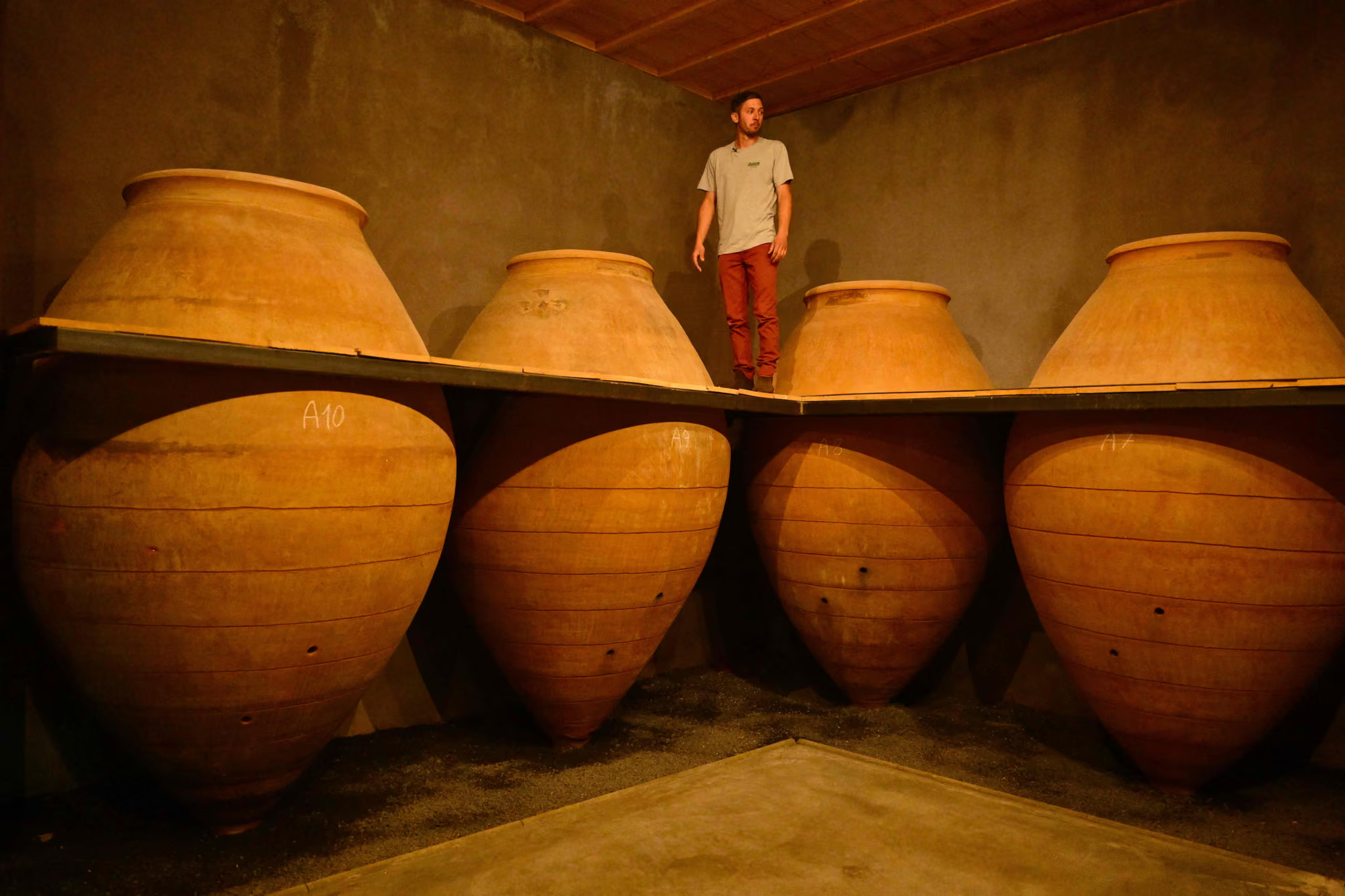
Amphorae are nothing new. These clay vessels, used by the Greeks and Romans, were part of traditional winemaking long before oak barrels were invented. Set aside over the centuries, this method is now making a comeback in the cellars of the most forward-thinking winegrowers.
This revival is no accident. Amphorae allow winemakers to work the wine gently. They encourage micro-oxygenation without adding any flavor, unlike wood. As a result, the fruit keeps its purity. The approach fits perfectly with chefs looking for precise, vibrant wines.
Why does this choice appeal to Michelin-starred chefs?
In fine-dining restaurants, the experience goes far beyond the plate. Wine has to surprise, move you, and sometimes even intrigue you. That’s where amphora-aged wine in restaurants truly comes into its own.
Wines aged in amphorae offer silky textures, clean aromas, and a strong sense of identity. They suit demanding cuisine, where balance remains essential. Thanks to their aromatic purity, these wines work just as well with vegetable dishes as they do with pared-back meat courses.
Innovative estates leading the way
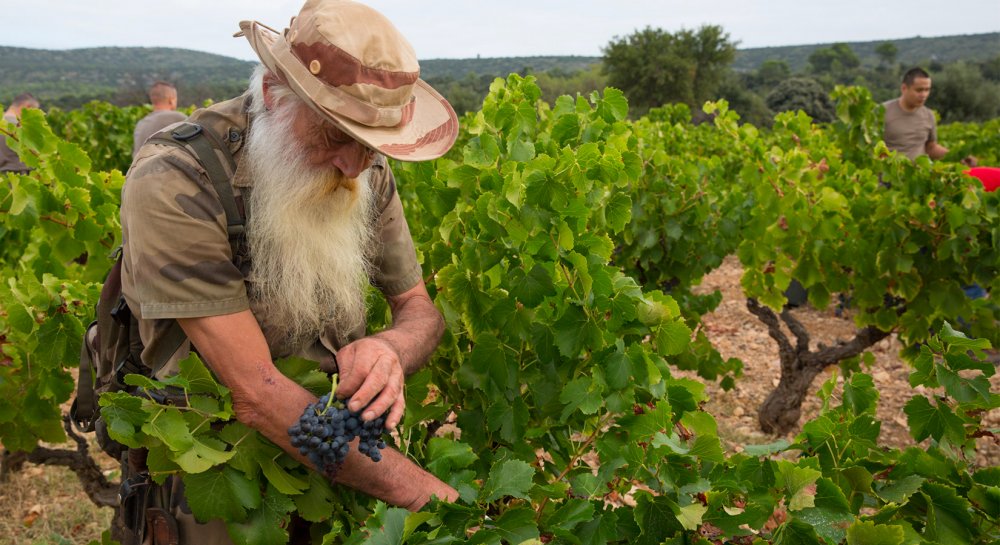
Several French and international winegrowers are bringing this tradition back to the heart of their work. Domaine Viret in the Rhône Valley and COS in Sicily are two examples of this shift. These houses are aiming to create amphora-aged cuvées of remarkable finesse.
Their work impresses sommeliers at top establishments. They no longer hesitate to feature these unusual wines in highly refined food and wine pairings. Some restaurants go even further, putting amphorae center stage on their wine list or in their tasting room.
A new wine aesthetic
Beyond taste, amphorae offer an aesthetic approach. Raw and mineral, the vessel evokes authenticity and the earth. That symbolism speaks to natural wine lovers and to aesthetes looking for meaning. Serving wine from amphora becomes a performance, a rare moment.
In some establishments, amphorae are on display in the dining room or behind glass in the cellar. This creates a dialogue between tradition and modernity. Amphorae are not just a winemaking tool; they become an artistic object, part of the experience.
Traditional winemaking: what are the benefits for wine quality?
Choosing amphora winemaking means returning to a slow fermentation, free of artifice. It calls for constant attention and precise know-how. The wines produced show a clear structure, often mineral, that appeals to the most discerning palates.
This winemaking method respects the raw material. It reveals the character of the grape variety and terroir without masking them. That gives chefs the freedom to build bold pairings while keeping the dish coherent.
Amphora-aged wine in restaurants: a tool for standing out
In a world as competitive as fine dining, standing out is essential. Adding amphora-aged wine to a restaurant wine list allows sommeliers to offer a singular experience.
Some establishments even build an entire menu around these wines. They adjust textures, cooking methods, and ingredients to showcase each cuvée. This close collaboration between kitchen and sommelier leads to striking matches, often praised by critics.
Growing interest among consumers
Guests in Michelin-starred restaurants are becoming increasingly curious. They want to know where the wine comes from and how it’s made. Amphorae spark interest through their rarity and history. They’re a conversation starter at the table, a discovery in their own right.
Wine lovers appreciate the new sensations. These wines, sometimes unfiltered, deliver a broad, enveloping palate, with a finish that’s often saline. Their originality appeals to a clientele in search of authentic wines.
Amphora, nature, and innovation: a winning combination

The use of amphorae also fits into the natural wine movement. Many winegrowers who choose this vessel work without additives. The result is more vibrant, more nuanced, and it attracts a new generation of consumers.
In this context, traditional winemaking makes perfect sense again. It makes it possible to achieve a high level of quality while respecting the environment. This ethical stance appeals to both chefs and guests who care about their impact.
What can you expect in the years ahead?
The success of wine aged in amphora doesn’t seem likely to slow down anytime soon. New estates are experimenting with this path every year. At the same time, amphora makers are innovating with a range of formats tailored to professional needs.
Sommeliers are also sharpening their expertise with these wines. They’re developing specific tasting frameworks and exploring new pairings. This excitement points to a future rich in discoveries.
Amphora: a vessel for emotion and history
Ultimately, interest in wine aged in amphora goes far beyond a passing trend. It’s a return to the source, but also an exploration of new flavor horizons. Thanks to this technique, traditional winemaking is enjoying a fresh start in some of the world’s greatest kitchens.
For Michelin-starred restaurants, adding amphora-aged wines is a bold bet. But it’s one that can surprise, delight, and above all tell a different story. The story of a wine that breathes earth, time, and the human hand.
If you enjoyed this article, feel free to read the next one, "The guarantees needed for an investment wine", which may also interest you!
Good to know:
The best way to get better at tasting is to write down what you taste: colour, nose, palate, and above all what you thought of it. Over time, your notes reveal your preferences far better than any guide. In Oeni, every bottle in your cellar has its own tasting sheet, ready to fill in within seconds.