Summarize this article with
Soil shapes wine. Every terroir tells a unique story. Limestone soil gives wine a very distinctive expression. It plays an essential role, especially in the production of white wines. Its structure, composition, and drainage capacity all influence winemaking and the wine’s final aromatic profile.
If articles about the wine world interest you, download our app on iOS or Android. It gives you access to our wine glossary, our articles, and our innovative solution, designed for every wine consumer and collector.
What Is Limestone Soil?
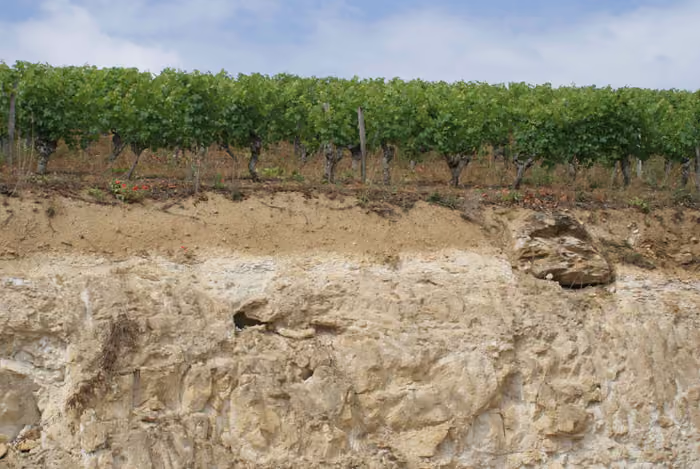
Limestone soil contains a high proportion of calcium carbonate. You’ll often find it in Burgundy, Champagne, and certain southern regions. It appears either as hard rock or as marl limestone, which is more crumbly. This soil is low in organic matter but rich in minerals.
Thanks to its porous structure, it encourages good root aeration. It drains water well without completely drying out the vine. That balance creates ideal conditions for slow, even grape development.
How Does Soil Influence the Vine?
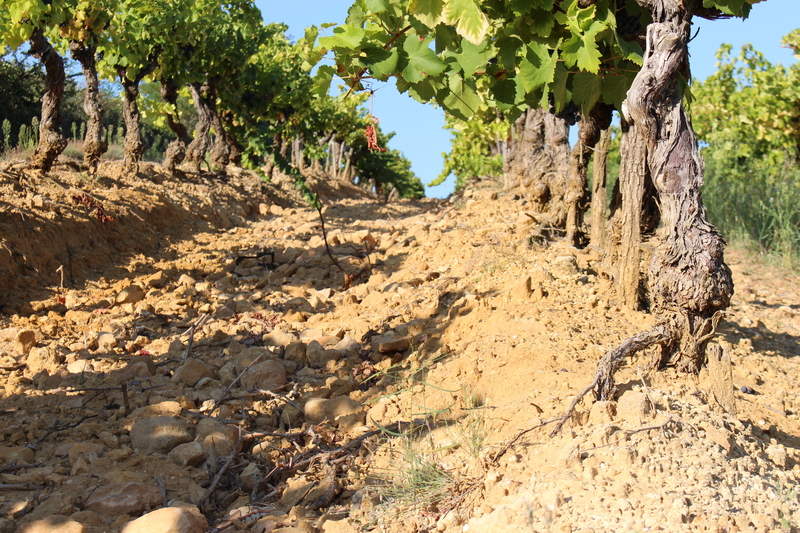
Soil and winemaking are closely linked. Limestone soil forces the vine to draw its resources from deep underground. That reduces vigor, but it improves aromatic concentration. Fewer leaves, more energy for the clusters: a natural balance takes shape.
This type of soil also helps regulate temperature. It holds onto coolness in summer and limits excess moisture in winter. As a result, the plant avoids extreme water stress. That stable climate benefits white grape varieties, which are often more sensitive to change.
The Impact on White Wine Aromas
Limestone terroir gives rise to white wines that are taut, linear, and elegant. They show bright natural acidity, which is essential for balance. That freshness gives the wine structure and extends its aging potential.
Aromatically, mineral notes often take the lead. You’ll find hints of flint, chalk, and oyster shell. Add to that touches of citrus, white flowers, or white-fleshed fruit. The style stays pure and focused, with no heaviness and a saline finish.
Examples of Limestone Regions
Many great appellations rest on limestone subsoils. In Burgundy, the wines of Chablis perfectly illustrate this style. Chardonnay there expresses a singular mineral tension. Champagne, too, is rooted in chalky soils. This geological base contributes to the finesse of the bubbles and the freshness of the blends.
In the Loire Valley, wines from Saumur and Sancerre also benefit from limestone soils. Chenin Blanc and Sauvignon Blanc gain vibrancy and complexity there. Each region expresses limestone terroir in its own way, shaped by climate and grape variety.
The Role of Limestone in Winemaking
The conditions created by limestone soil directly influence the winemaker’s work. Grapes harvested from these terroirs tend to show more pronounced acidity. That helps limit intervention in the cellar. The goal is to preserve the purity of the fruit.
Winemakers often choose stainless-steel fermentation or neutral oak vessels. They avoid new oak so the expression of the soil isn’t masked. This approach respects the identity of the terroir and highlights the typical white-wine aromas associated with limestone.
Limestone Terroir and Aging Potential
A white wine from limestone ages beautifully. Natural acidity acts as a preservative. It protects the wine and allows for a slow, harmonious evolution. Primary fresh-fruit aromas give way to notes of honey, wax, and dried fruit.
That potential appeals to collectors and enthusiasts alike. It also allows winemakers to produce exceptional cuvées capable of rivaling some reds in longevity.
Comparison with Other Soil Types
Limestone soil stands apart from other terroirs. Granite soil, for example, produces more nervous wines with sharper aromas. Clay, by contrast, brings more roundness and power.
Sand gives lighter, often fruit-forward wines. By comparison, limestone offers an ideal balance of finesse, freshness, and complexity. That’s why so many great white wines are born on these lands.
How Climate Shapes Limestone
Limestone terroir doesn’t express itself in quite the same way everywhere. In a cool climate, it amplifies acidity and minerality. In a warm climate, it helps preserve freshness despite ripe fruit.
The winemaker must therefore adapt practices to the region. They choose the right moment to harvest. They decide on the winemaking style according to the year’s conditions. That ability to adapt is what preserves the wine’s authenticity.
The Role of Soil Microbiology
Soil is more than just a support system. It’s home to essential microbial life. Bacteria, fungi, and microorganisms all play a key role. They influence vine nutrition, soil health, and grape quality.
In limestone soils, this microbial life is especially active. It helps shape the expression of terroir. It influences white-wine aromas from the vineyard onward, even before harvest.
A Signature Sought After Around the World
The reputation of wines from limestone soils extends far beyond national borders. Enthusiasts seek out that tension and that precise mineral edge. Even outside Europe, winemakers are looking to plant on limestone land.
You’ll find examples in California, Australia, and Chile. Everywhere, limestone appeals for its ability to reveal grape variety and climate with finesse. It has become a major force in the relationship between soil and winemaking.
If you enjoyed this article, don’t miss the next one, "Winemaking 4.0: How AI Supports Winemakers", which may also interest you!
Good to know:
The best way to get better at tasting is to write down what you taste: colour, nose, palate, and above all what you thought of it. Over time, your notes reveal your preferences far better than any guide. In Oeni, every bottle in your cellar has its own tasting sheet, ready to fill in within seconds.