Summarize this article with
Climate plays a major role in shaping a wine’s aromatic profile. Every shift in the weather affects the vine, the grapes, and the final aromas. Understanding this interaction helps you better appreciate the diversity of wines and the unique character of each terroir.
Wine climate: a decisive factor for aromas
The wine climate refers to the full set of weather conditions throughout the vine’s growing cycle. Temperatures, rainfall, and sunshine all directly influence grape ripening. A warm climate speeds up maturity, boosts sugar, and lowers acidity. A cool climate slows ripening and preserves acidity, which changes the intensity of wine aromas.
In warm regions, wines tend to be rounder and more powerful, with ripe fruit notes. In cool climates, wines are lighter and more acidic, with floral, citrus, or herbal aromas.
Warm climates: concentration and intensity
In warm climates such as Australia, South Africa, or parts of southern France, the vine receives abundant sunshine. This leads to grapes rich in sugar, often harvested earlier. These wines develop aromas of candied fruit, plum, fig, and even dark chocolate in reds.
Strong sun exposure also encourages spicy, even smoky aromas. However, low acidity can throw some cuvées out of balance if the winemaker doesn't master the winemaking process.
Cool climates: finesse and complexity
In cooler areas such as Burgundy, the Loire, or Germany, the wine climate slows grape development. Slow ripening helps preserve primary aromas. The result is elegant wines with floral, citrus, or mineral notes.
The wine aromas build gradually. Cool conditions allow grape varieties like Pinot Noir or Riesling to express themselves with subtlety. These wines often show strong aging potential.
The vintage effect: one year’s weather changes everything
Each vintage reflects the weather imprint of the year. A rainy season can dilute flavors. Drought can block ripening or overly concentrate aromas. The annual wine climate therefore shapes the style of the wine produced, even within the same parcel.
A warm vintage often produces wines that are more alcoholic, supple, and expressive. A cool vintage gives wines that are more tense, sometimes austere at first, but often with strong aromatic potential.
Viticulture and weather: how growers adapt
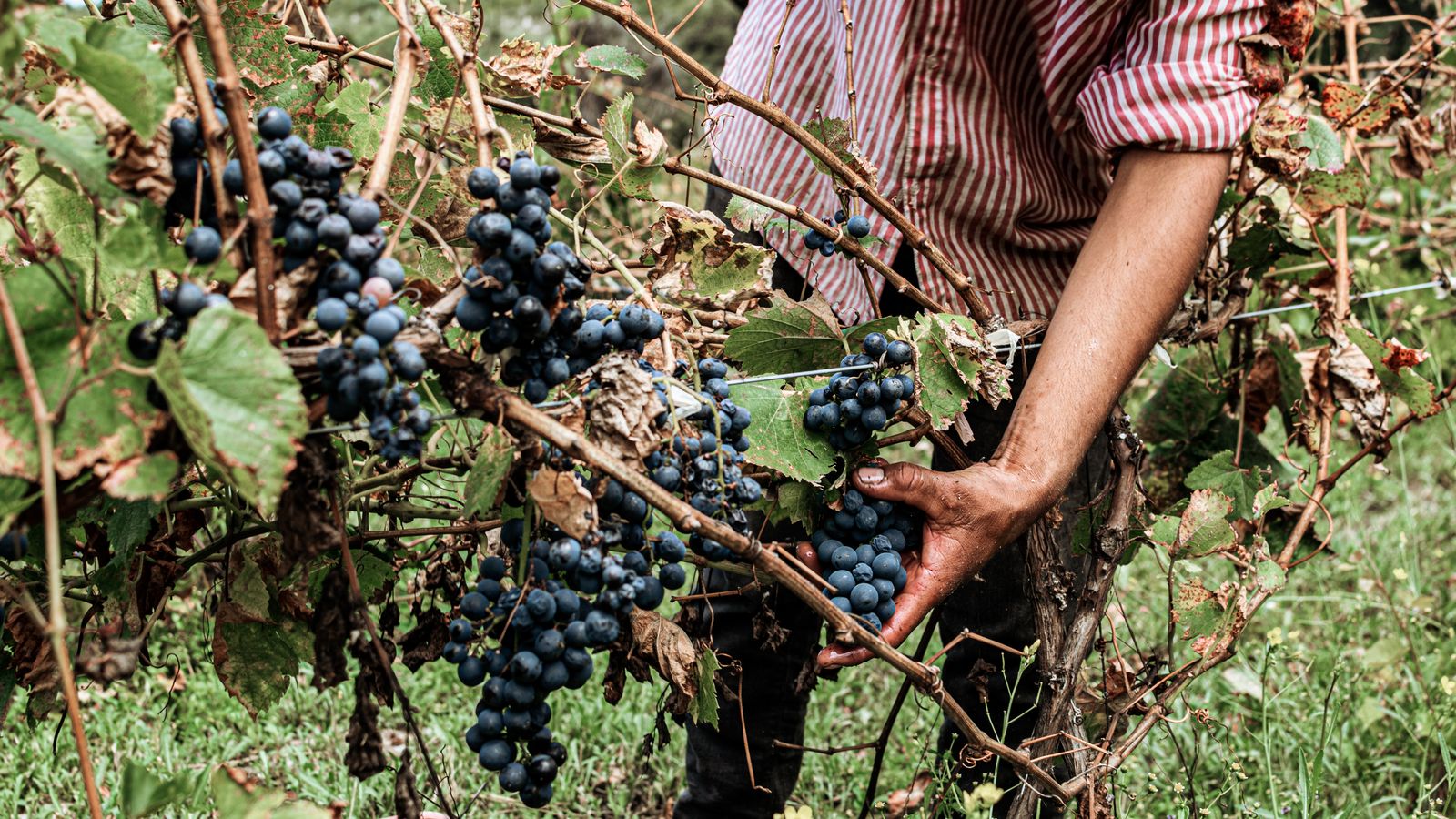
Growers have to adjust their methods to the weather. In humid regions, they keep a close eye on disease. In hot regions, they protect the vines from water stress. Viticulture and weather form a duo that producers must manage to preserve grape quality.
Some change the harvest date or choose rootstocks suited to the soil and climate. The goal remains the same: harvest healthy, balanced grapes so they can deliver beautiful aromatic expression.
Wine aromas: the impact of day-night temperature swings
Temperature differences between day and night have a major influence on wine aromas. A wide diurnal range helps balance sugar and acidity. The grapes develop a broader aromatic palette.
In high-altitude vineyards or those close to the ocean, this variation is common. Wines made in these conditions show precise aromas, often brighter, with a fresh, lively palate.
Continental, oceanic, and Mediterranean climates: what are the differences?
Three major types of wine climate shape European viticulture:
- Continental climate: cold winters, hot summers, little rain. It produces concentrated, powerful wines, sometimes unpredictable from year to year.
- Oceanic climate: shaped by winds and rainfall, with moderate temperatures. It produces supple, balanced wines, often lighter in style.
- Mediterranean climate: long, dry summers and mild winters. It favors rich, sun-drenched wines with intense aromas of ripe fruit.
Microclimates: when the details change everything
Each parcel can benefit from a specific microclimate. Altitude, slope, sun exposure, and morning mist all create meaningful variations. These microclimates add a unique layer of complexity to wine aromas.
A vineyard on a windy hilltop won't produce the same grapes as one tucked into a humid valley. This diversity helps explain the richness of aromatic profiles within a single appellation.
The influence of climate on aromatic grape varieties
Highly aromatic grape varieties such as Gewurztraminer, Sauvignon Blanc, or Muscat react strongly to the wine climate. Their aromatic range changes with temperature.
In a warm climate, Gewurztraminer develops exotic notes, while in a cool climate it expresses subtle floral aromas. Sauvignon Blanc, which is highly sensitive to climate conditions, can range from lime to white peach depending on the region.
Viticulture and weather: the challenges of climate change
Climate change is reshaping viticulture and weather. Harvests are happening earlier. Wines are becoming more alcoholic. Aromas are evolving. Some regions have to adapt their grape varieties. Others are discovering a new viticultural potential.
In traditionally cool areas, warming temperatures allow grapes to ripen more fully. Elsewhere, they create problems. Preserving wine aromas has become a strategic issue. Growers are experimenting with new practices to adapt.
If you enjoyed this article, don't hesitate to read the next one, "The art of wine in literature and film: a timeless passion", which might also interest you!
Good to know:
The best way to get better at tasting is to write down what you taste: colour, nose, palate, and above all what you thought of it. Over time, your notes reveal your preferences far better than any guide. In Oeni, every bottle in your cellar has its own tasting sheet, ready to fill in within seconds.