Summarize this article with
Desert vineyards intrigue with their ability to produce wine in difficult conditions. Arid climates bring intense heat, drought, and wide temperature swings. Yet some winegrowers turn those constraints into strengths through adapted extreme viticulture.
If articles about the world of wine interest you, download our app on iOS or Android. It gives you access to our wine glossary, our articles, and our innovative solution, designed for every wine consumer and collector.
The unique features of arid climates for vines
Arid climates are defined by low rainfall and constant sunshine. High daytime temperatures speed up grape ripening. Cool nights preserve acidity and aromatic balance. This combination encourages concentration in both sugar and flavor. A desert vineyard can therefore reach optimal maturity, but it requires precise water management.
The iconic regions of desert vineyards
IMAGE WITH URL [https://oeni.app/wp-content/uploads/2025/08/vinedos-diferentes-1024x682-1.jpeg] GOES HERE
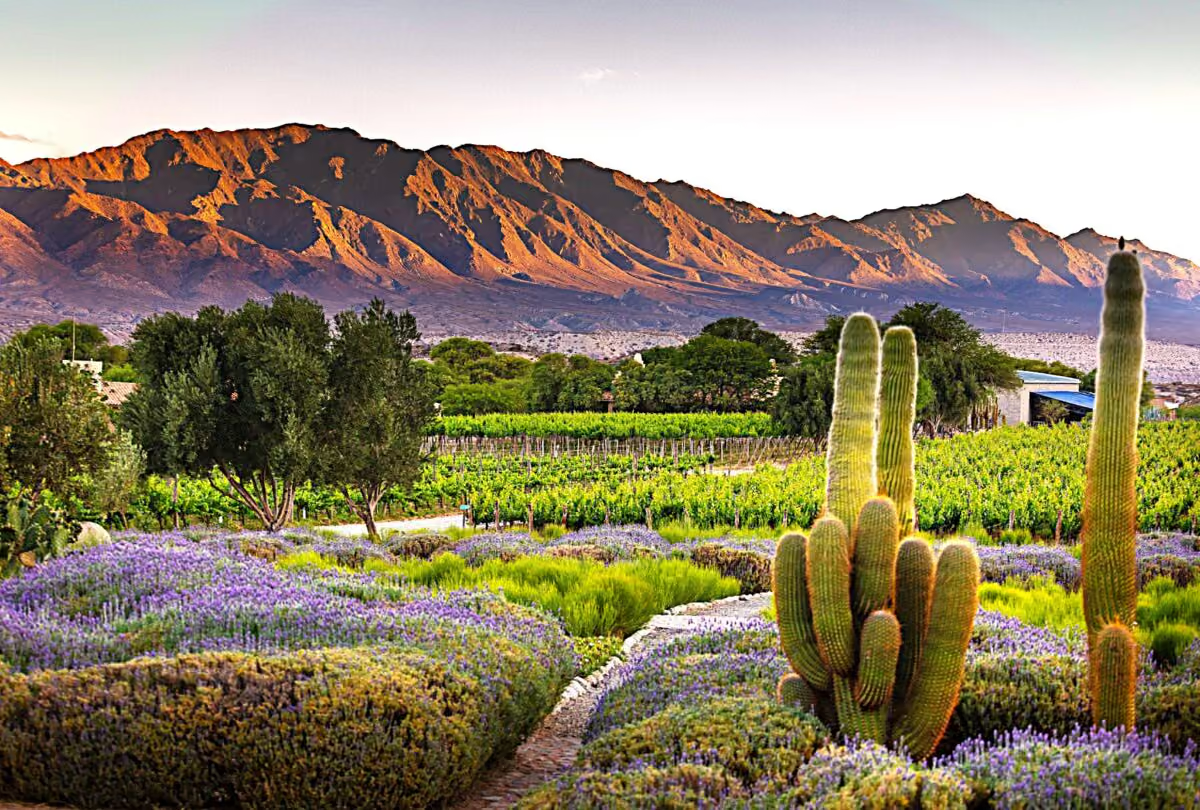
You’ll find desert vineyards in California, Chile, Israel, and parts of Australia. The Atacama Desert in Chile is a perfect example of this extreme viticulture. There, winegrowers use altitude to offset the heat. In Israel, plantings in the Negev combine irrigation with resilient grape varieties. These regions show that an arid climate doesn’t stand in the way of quality.
Choosing resilient grape varieties
A resilient grape variety handles drought and heat far better. Grenache, Syrah, and Mourvèdre are perfectly suited to a desert vineyard. These varieties have deep roots that can search for water far below the surface. White grapes such as Chenin Blanc and Viognier also perform well in arid climates.
Irrigation techniques in extreme viticulture
Extreme viticulture often relies on controlled irrigation. Drip irrigation delivers water directly to the roots. This method limits waste and helps preserve resources. In some desert vineyards, irrigation draws on groundwater or high-altitude springs. Precision in water delivery is essential to the final quality.
The impact of desert soil on wine
IMAGE WITH URL [https://oeni.app/wp-content/uploads/2025/08/pexels-juan-pablo-serrano-arenas-1047333-scaled-1-1024x683.jpg] GOES HERE
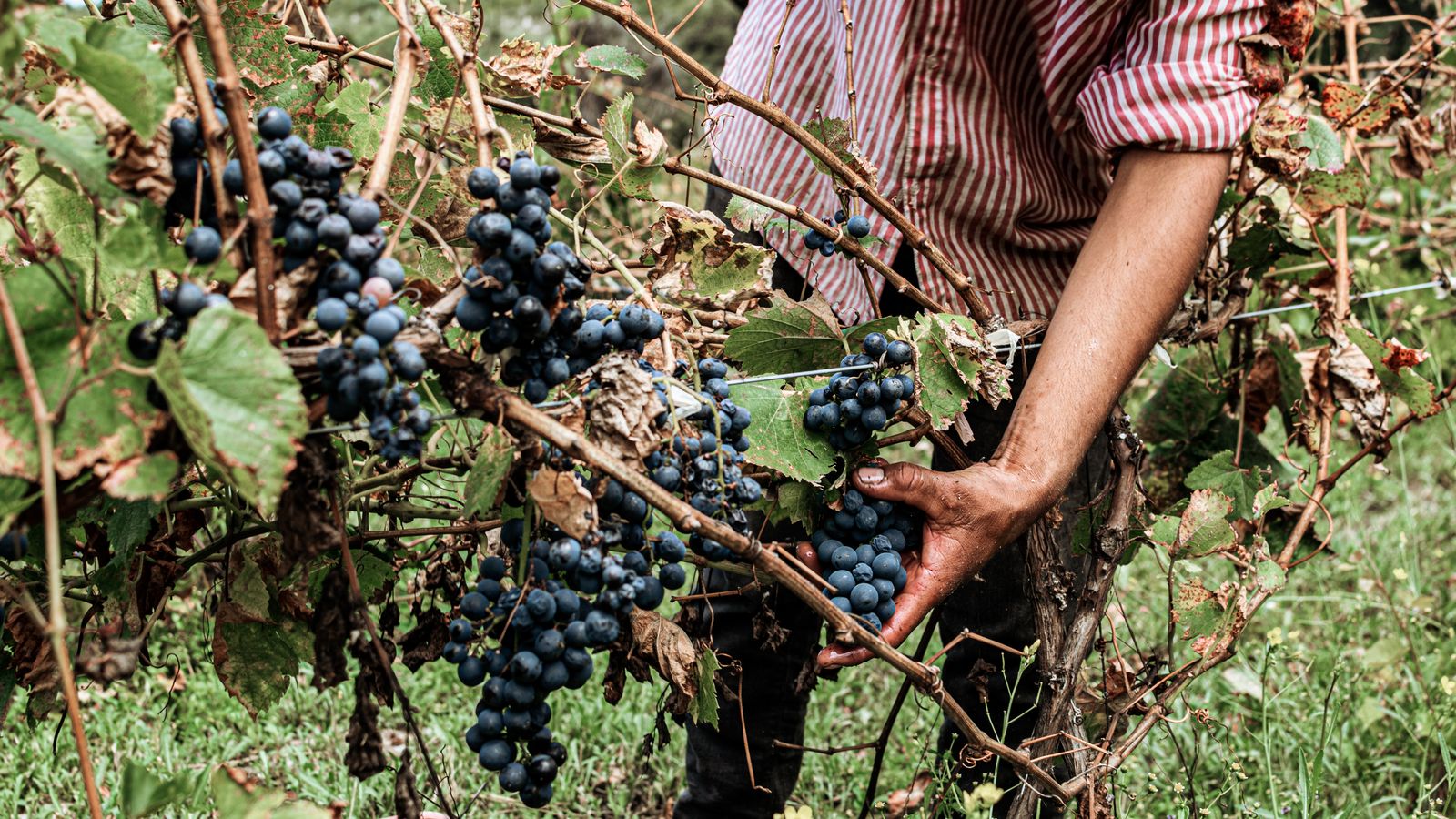
A desert vineyard grows on poor soils, often sandy or stony. This type of soil drains water quickly and limits vine vigor. The grapes become more concentrated as a result. Arid climates and these poor soils produce powerful, aromatic wines.
The advantages of desert vineyards
Desert vineyards benefit from low disease pressure. The lack of humidity reduces the risk of mildew and powdery mildew. The berries ripen in a healthy environment, which makes extreme viticulture easier to manage. What’s more, the absence of harmful insects in some areas limits the use of chemicals.
The challenges of extreme viticulture in arid climates
The main challenge remains access to water. A resilient grape variety reduces the need, but irrigation is still essential. Wind and sand can damage leaves and clusters. Winegrowers also have to protect young vines from dehydration. Extreme viticulture therefore demands constant monitoring.
How arid climates shape wine style
Wines from a desert vineyard stand out for their aromatic intensity. Arid climates bring out ripe fruit and spice notes. Reds show powerful tannins and impressive structure. Whites, though rare, offer richness and roundness, often balanced by surprising freshness.
Innovation in the service of desert vineyards
Research is developing new irrigation systems that are even more water-efficient. Drones make it possible to monitor the vines and optimize interventions. Trials with new resilient grape varieties aim to improve adaptation to arid climates. This extreme viticulture blends tradition and technology to secure its future.
A promising future despite the constraints
Desert vineyards represent an opportunity to expand wine production into new regions. Mastering water use and choosing the right resilient grape variety remain the keys to success. Arid climates then become an asset, helping produce distinctive wines. Extreme viticulture shows that even the harshest environments can yield remarkable wines.
If you enjoyed this article, don’t hesitate to read the next one, "How to transport wine without damaging it", which may also interest you!
Good to know:
The best way to get better at tasting is to write down what you taste: colour, nose, palate, and above all what you thought of it. Over time, your notes reveal your preferences far better than any guide. In Oeni, every bottle in your cellar has its own tasting sheet, ready to fill in within seconds.