Summarize this article with
Storing a 2025 vintage Champagne in a well-designed cellar lets you combine passion, pleasure, and long-term value. These exceptional bottles appeal to discerning enthusiasts looking for a smart investment.
If you’re interested in wine culture articles, download our app on iOS or Android. It gives you access to our wine glossary, our articles, and our innovative solution, designed for every wine consumer and collector.
Understanding What a Vintage Champagne Is
A vintage Champagne comes from a single harvest year, chosen for its quality. Unlike non-vintage brut Champagnes, these wines aren’t about consistency. Instead, they reflect the identity of a specific vintage. Each cuvée becomes a snapshot of the climate, the soil, and the house’s savoir-faire.
These Champagnes age longer before they reach the market. On average, they spend at least 36 months on the lees, sometimes far longer. That slow maturation brings remarkable aromatic complexity and rare depth. They’re released only in great years, which makes them precious and highly sought after.
How Does a Vintage Champagne Age? The Process in Detail
The complexity of a great vintage Champagne doesn’t happen by chance. It comes from a precise sequence of biological and chemical transformations.
1. Tirage
After the still wines are blended, a tirage liqueur (sugar + yeast) is added. The bottle is capped. Bottle fermentation begins: the yeast turns sugar into alcohol and CO2, creating pressure (around 6 bars) and the signature bubbles.
2. Secondary Fermentation and Aging on the Lees
The dead yeast cells (lees) remain in contact with the wine. This is autolysis: the yeast breaks down and releases amino acids, proteins, and aromatic compounds. This process is responsible for the brioche, toast, hazelnut, and cream notes that define great vintage Champagnes.
- Minimum legal aging for a vintage Champagne: 36 months on the lees
- Dom Pérignon P1: around 9 years on the lees
- Dom Pérignon P2: around 15 years on the lees
- Dom Pérignon P3: more than 25 years on the lees
3. Riddling and Disgorgement
The bottles are gradually tilted (riddling) to gather the lees in the neck. The neck is then frozen and the yeast plug is ejected (disgorgement). A dosage liqueur is added to adjust the sugar level.
4. Bottle Evolution After Disgorgement
Even after release, Champagne keeps evolving. Primary aromas (fresh fruit, flowers) gradually give way to tertiary notes: honey, candied fruit, spice, mushrooms, truffle. That evolution is exactly what collectors are after.
Why Collect Vintage Champagnes?
For a passionate enthusiast, a prestige Champagne collection goes far beyond taste. It becomes a form of emotional, cultural, and sometimes financial investment. Some vintages gain value over the years, especially when production is limited. Enthusiasts often seek out rare cuvées or numbered special editions.
Champagne also ages beautifully when stored in the right conditions. The wine then develops evolved notes of honey, dried fruit, and brioche. That appeals to experienced palates looking for something beyond immediate freshness.
Recent Vintages to Watch: A Focus on 2025
Among the promising vintages, 2025 vintage Champagne is already drawing attention. The harvest looks balanced, with bright acidity and optimal ripeness. Leading houses will be watching its aging potential closely. For a collector, anticipating the right vintages means buying at exactly the right time and price.
You’ll have to wait several years before the official release. In the meantime, enthusiasts can already prepare their cellar by studying weather forecasts and early feedback from growers. That helps secure future purchases.
The Houses to Prioritize for Aging
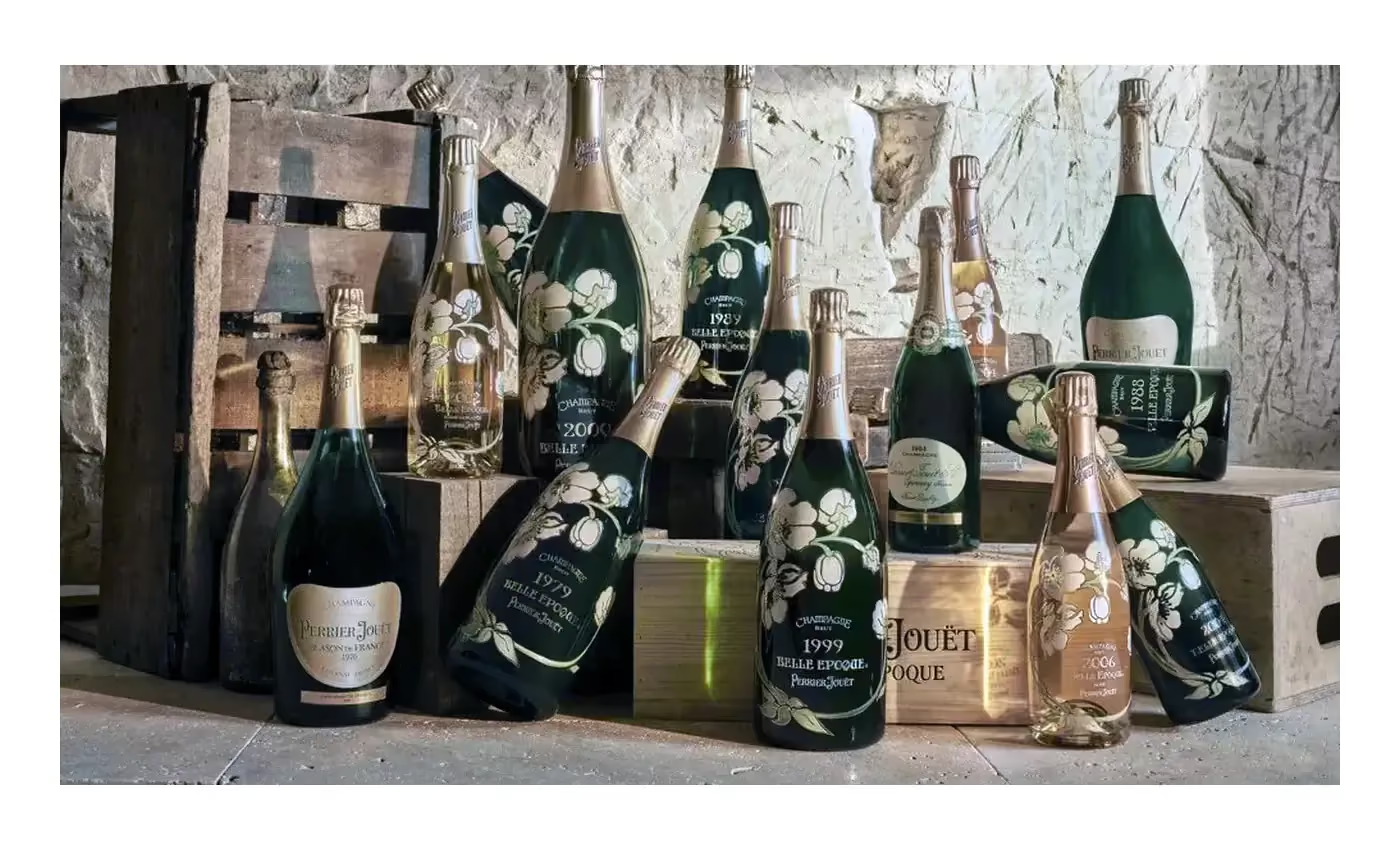
Some houses produce Champagnes built for aging. Think Dom Pérignon, Salon, Krug, and Bollinger. These iconic cuvées rest on rigorous selection and meticulous winemaking. They’re true benchmarks in the prestige Champagne collection.
Other names deserve the attention of connoisseurs: Charles Heidsieck, Pol Roger, Deutz, and Jacquesson. Their vintage wines offer excellent value for money and strong aging potential. Cuvées such as “Œnothèque,” “R.D.,” and “Vieilles Vignes Françaises” are often found in the cellars of seasoned collectors.
Which Formats Should You Choose for Better Storage?
Large-format bottles are ideal for Champagne you plan to keep for a long time. Magnum, jeroboam, and methuselah allow for slower, more even aging. Oxidation happens more slowly thanks to the more favorable air-to-liquid ratio.
These rare formats also attract buyers at auction. They stand out for their presentation and scarcity. Experienced collectors don’t hesitate to set them aside for special occasions or as resale assets.
Selection Criteria for a Great Collectible Champagne
To build out your cellar, you need to pay attention to several factors. First, the reputation of the vintage: certain years like 2002, 2008, and 2012 have become cult favorites. Then there’s the consistency of the producer. Cuvées from old vines or a single cru also tend to show better aging potential.
Another crucial point: the original storage conditions. Choose bottles that have been kept at the producer’s estate or in a professional cellar. Storage history has a direct impact on how Champagne ages.
What Strategy Fits Your Collector Profile?
You’re Just Starting Out (Budget < €500/Year)
Start with a “pleasure” wine cellar with 10-20 years of aging potential. Here’s our selection:
- Comtes de Champagne Taittinger (~€220) : 100% Chardonnay, excellent value for money, 20-35 years of aging.
- Dom Pérignon Vintage (~€230) : the accessible benchmark, with notes of white fruit and brioche.
- Bollinger La Grande Année (~€185) : a vinous, powerful style, the official Champagne of James Bond, 15-25 years of aging.
Tip: buy in lots of at least 3 bottles (1 to open young, 1 at 10 years, 1 at 20 years).
You’re at an Intermediate Level (Budget €500-2,000/Year)
If your goal is to diversify your cellar with rare cuvées and large formats, here’s what we recommend:
- Krug Vintage 2008 (~€560) : a legendary vintage, 30-50 years of potential, with hazelnut and mineral notes.
- Cristal Louis Roederer 2016 (~€295) : created in 1876 for Tsar Alexander II, 136 hectares certified organic.
- Dom Pérignon P2 (~€400-600) : the same vintage as P1, but after 15 years on the lees, with incomparable depth.
Our advice: invest in at least one magnum — aging is slower there, and resale value is higher.
You’re an Expert (Budget > €2,000/Year)
If you want to build a heritage cellar with ultra-rare cuvées, here are the bottles we recommend:
- Salon Cuvée S (~€1,300) : produced only in great years, exclusively in Le Mesnil-sur-Oger, with 40-60 years of potential.
- Krug Clos du Mesnil Blanc de Blancs (~€2,150) : a 1.84-hectare parcel, 96/100 points, and one of the most exclusive Champagnes in the world.
- Dom Pérignon P3 (> €3,000) : more than 25 years on the lees, 96/100 points, and extremely limited production.
Our advice: diversify between recent vintages (2015, 2016) and older ones (2002, 2008) to maximize resale potential.
Where Can You Find the Best Vintage Cuvées?
Specialized wine merchants remain a great source for finding rare Champagnes. They often offer informed advice on upcoming vintages. Auctions also attract many collectors. Sotheby’s, iDealwine, and Artcurial feature prestigious lots in excellent condition.
Some houses also offer pre-orders. It’s a chance to buy at a more favorable price before the official market release. This system works especially well with 2025 vintage Champagnes, which are still aging.
How Should You Store These Bottles in the Right Conditions?
Champagne meant for aging needs a stable environment. The ideal temperature is around 12°C, with no sudden swings. Humidity should stay high enough to protect the corks. Direct light should be avoided, since it speeds up oxidation. A buried cellar or a wine aging cabinet is the best option.
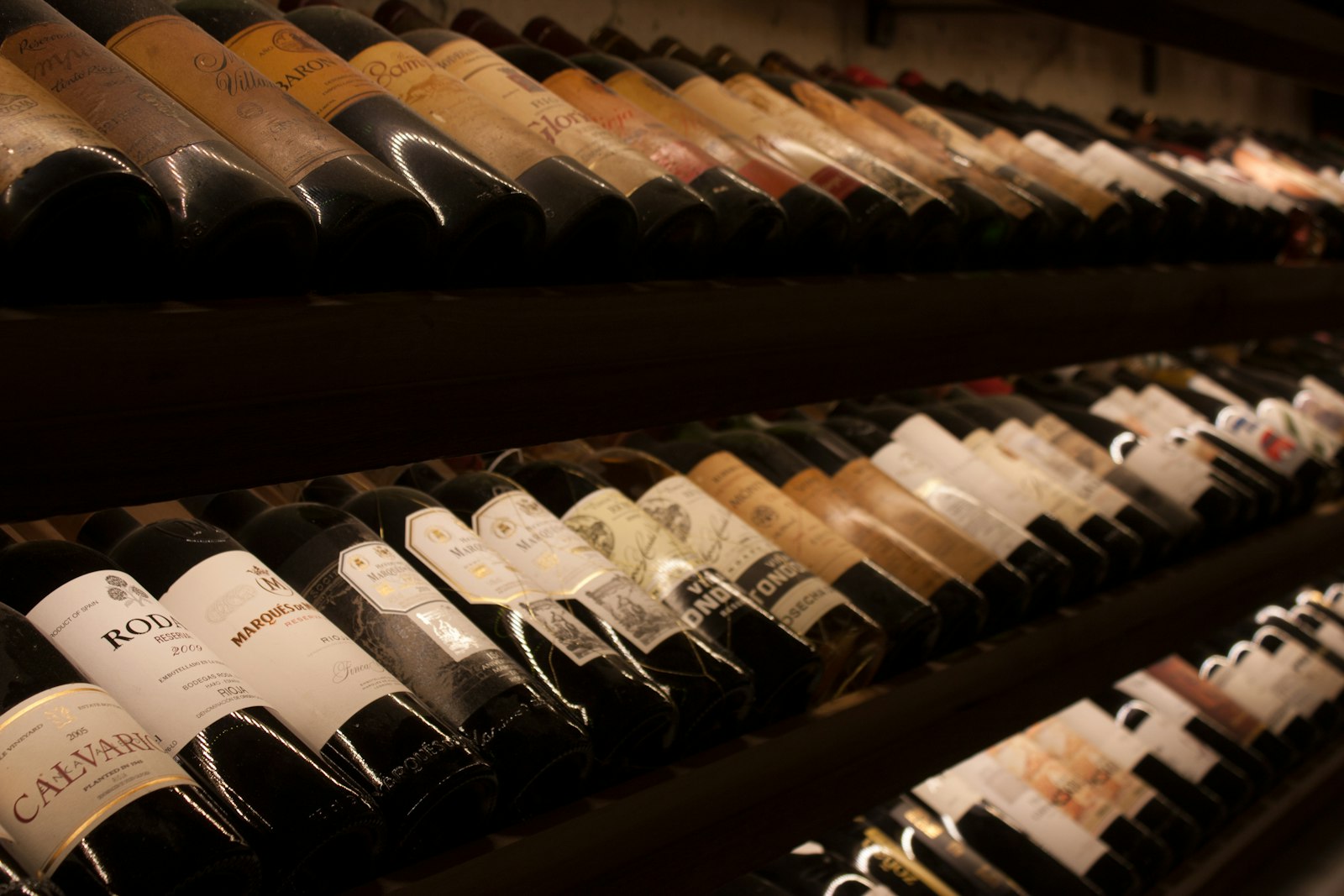
The bottles should be stored on their sides to keep the cork moist. Clear identification for each bottle, including the purchase date, makes management easier. Some collectors even use a cellar management app to track how their cellar evolves.
Vintage Champagne and Resale Value
A well-stored Champagne gains value over time, especially if it remains rare. Demand stays strong for certain vintages or cuvées. Buyers look for pristine bottles with clear traceability. High scores in specialist guides also boost resale appeal.
That’s why you should keep labels intact and avoid any damage to the bottle’s appearance. A scratched, stained, or poorly stored bottle loses part of its value. Transparency about storage conditions remains essential at the time of sale.
Should You Invest in Vintage Champagnes?
Passionate enthusiasts may consider a thoughtful purchase that combines pleasure and strategy. A prestige Champagne collection lets you bring together emotion, sharing, and legacy. Prices rise for sought-after vintages, but patience is essential.
Investing in 2025 vintage Champagne or other cuvées requires careful tracking. Storage, selection, and management all need to follow a coherent strategy. A good investment is built over several years, even decades. But it’s often worth the wait.
If you enjoyed this article, feel free to read the next one, "From Porto to the Douro Valley: a wine cruise along the water", which might also interest you!
Good to know:
The best way to get better at tasting is to write down what you taste: colour, nose, palate, and above all what you thought of it. Over time, your notes reveal your preferences far better than any guide. In Oeni, every bottle in your cellar has its own tasting sheet, ready to fill in within seconds.