Summarize this article with
Wine tasting is a sensory experience that goes far beyond simply drinking. It’s a journey through time, an exploration of the nuances of flavor and texture.
Wine tasting can be as simple or as complex as you want it to be, but it’s always rewarding. Here’s a guide from Oeni, your wine cellar management app available on iOS and Android, to help you begin your journey into the world of wine tasting.
The Preparation
The first step in wine tasting is preparation. It starts with making sure the wine is at the right temperature. Red wines are generally served slightly below room temperature, between 16-18°C, while white wines are often served a little cooler, around 8-12°C. Temperature can influence the way a wine’s aromas and flavors show themselves, so don’t hesitate to experiment until you find what works best for you.
Observation
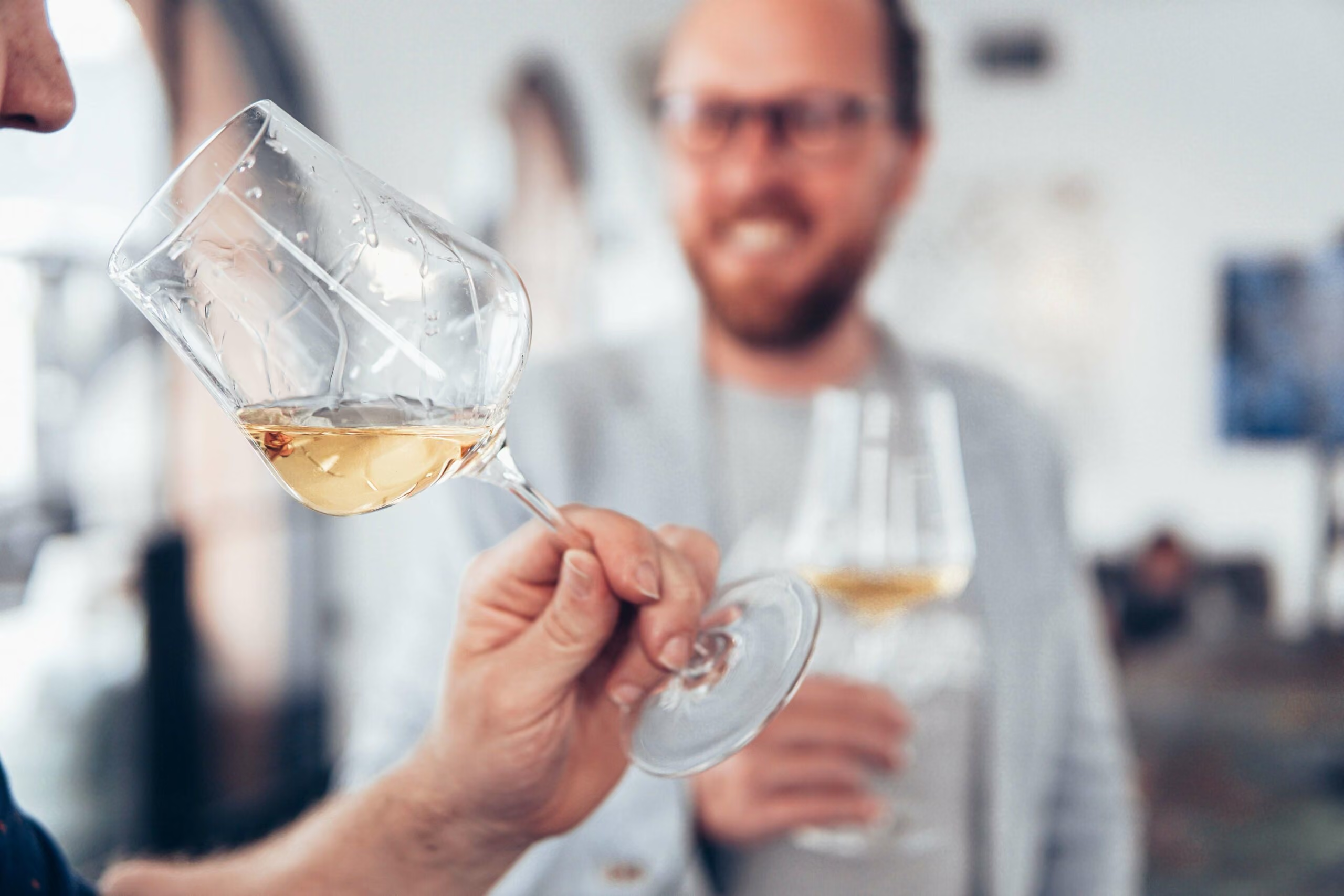
Once your wine is poured, the first step in the tasting itself is observation. A wine’s color can give you clues about the type of wine, its age, and its concentration. Red wines can range from light cherry red to deep ruby, while white wines can run from pale yellow to rich gold. Tilt the glass slightly and observe the wine’s color against a white light source.
The Nose
The next step is the nose, also known as aroma assessment. Swirl the glass gently to aerate the wine and release its aromas. Then bring your nose to the glass and inhale deeply. Wines can present a multitude of aromas, from fruit and spice to flowers, herbs, earth, wood, and more. Try to distinguish the different aromas and name them if you can. It’s a step that can take time to master, so be patient and don’t hesitate to return to the glass several times to smell the wine.
Tasting
Now we come to the tasting itself. Take a small sip of wine and let it spread across your mouth. Try to distinguish the different flavors present. Notice the sweetness (sugar), acidity, tannins (a bitter taste from grape skins), and alcohol. This is what’s known as the wine’s “body,” and it can be light, medium, or full-bodied.
The Finish
The final step in tasting is the finish. After swallowing the wine, note how long the flavors linger on your palate. A high-quality wine will have a long finish, which is a sign of its complexity and balance.
The Vocabulary
Learning a few tasting terms can help you express what you’re experiencing more clearly. For example, a wine can be described as “fleshy” if it’s rich and full, “crisp” if it’s fresh and zesty, “soft” if it lacks acidity, or “velvety” if it’s smooth and supple.
The Pleasure
Beyond the techniques and the terms, don’t forget that wine tasting is above all about pleasure. It’s a chance to savor a handcrafted product that embodies the history, culture, and terroir of its place of origin.
Practice
Wine tasting is a skill that improves with practice. The more different wines you taste, the more you develop your palate and your ability to identify subtle nuances. So don’t hesitate to explore, try new wines, and share your experiences with other wine lovers.
Wine tasting is an exciting journey that lets you discover the world through your senses. With time, patience, and practice, you can develop your palate and deepen your appreciation of wine. So raise your glass and begin your journey. Happy tasting!
Good to know:
The best way to get better at tasting is to write down what you taste: colour, nose, palate, and above all what you thought of it. Over time, your notes reveal your preferences far better than any guide. In Oeni, every bottle in your cellar has its own tasting sheet, ready to fill in within seconds.