Summarize this article with
The macerated wines, also known as orange wines, are enjoying growing enthusiasm among wine lovers in search of authenticity and unique tasting experiences. Made through long-fermentation winemaking, these wines stand out for their amber color, tannic texture, and aromatic richness.
But how are these distinctive wines made? What makes them special, and how should you taste them? Let’s dive into the fascinating world of macerated wines.
What Is a Macerated Wine?
Unlike traditional white wines, which are made without prolonged contact with the grape skins, macerated wines use a process drawn from ancestral winemaking techniques.
The Principle of Skin Contact Maceration
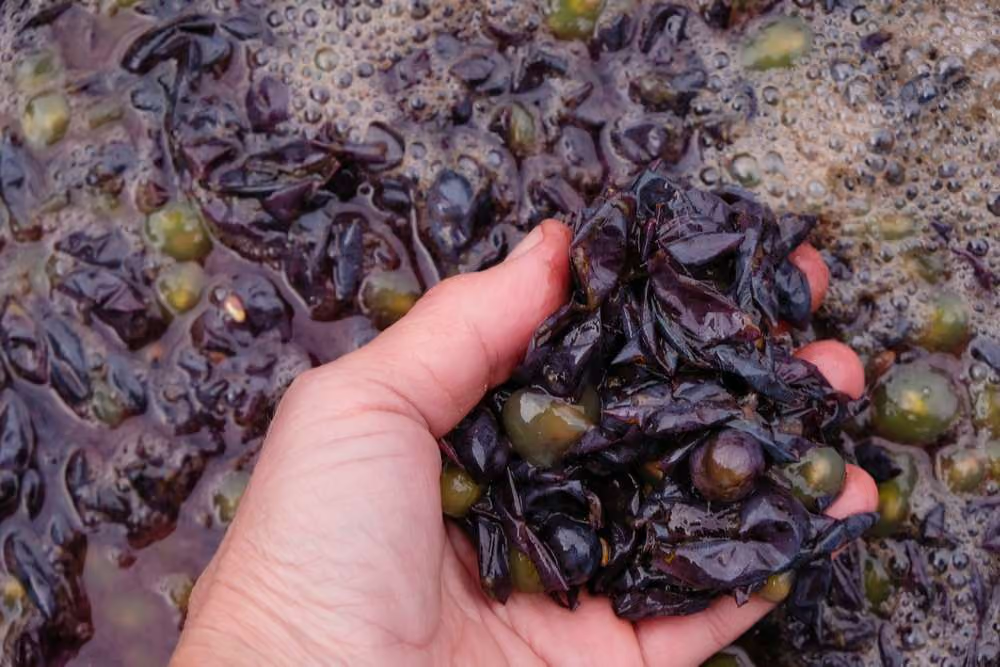
Maceration involves fermenting grape juice in contact with the skins, seeds, and sometimes even the stems for an extended period. This process, often reserved for red wines, is here applied to white grape varieties.
This contact with the solid parts of the grape brings:
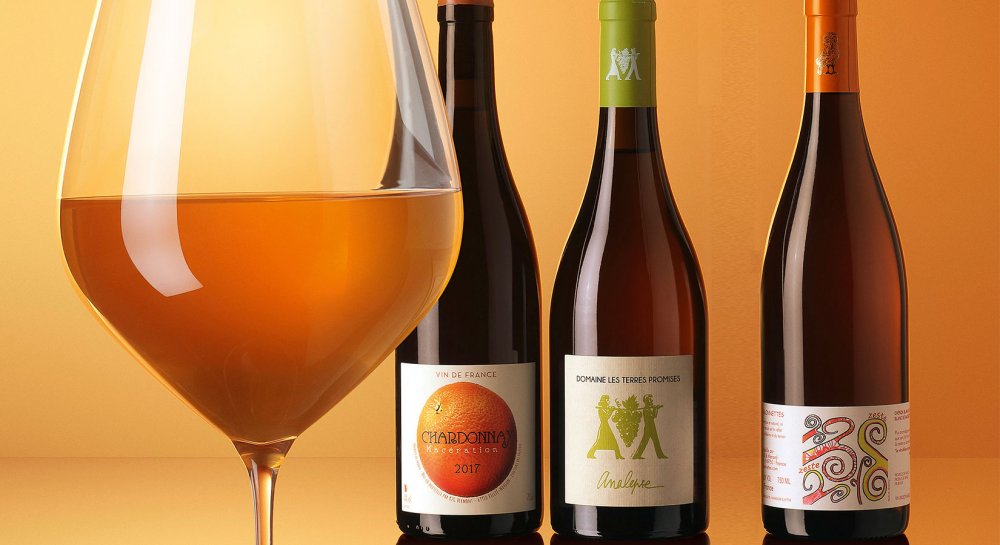
- An amber or orange hue from the natural pigments in the skins.
- A tannic structure, unusual for a white wine.
- Complex, evolving aromas of dried fruit, spice, and oxidative notes.
The Origins of Macerated Wines
Orange wines are far from a modern invention. Their roots go back to antiquity, especially in Georgia, where winemakers used large buried amphorae called qvevris to ferment and age their wines.
Other regions have carried on this tradition:
- Italy (Friuli and Tuscany): the birthplace of many macerated wines, often aged in amphorae.
- Slovenia and Croatia: artisanal production that highlights native grape varieties.
- France (Alsace, Jura, Languedoc): some winemakers are experimenting with this technique, with remarkable results.
Today, macerated wines are back in the spotlight, driven by the rise of natural wines and environmentally conscious viticultural and winemaking practices.
The Key Stages in Making Orange Wines
1. Grape Selection
The white grape varieties used for maceration need thick skins rich in polyphenols to develop aroma and structure. Among the most common are:
- Gewurztraminer: aromatic intensity and spice.
- Ribolla Gialla: widely used in Italy and Slovenia.
- Sauvignon Blanc: bright acidity and herbal notes.
2. Extended Maceration
The length of the long fermentation can range from a few days to several months. The longer it lasts, the more intensity and complexity the wine gains.
3. Aging
Some winemakers choose to age their wines in oak barrels, amphorae, or stainless-steel tanks to refine their aromatic profile.
4. Bottling
Macerated wines are generally bottled without filtration or fining to preserve their authenticity.
Why Are Orange Wines So Distinctive?
Orange wine offers a range of flavors and sensations that set it apart from classic white wines.
An Atypical Aromatic Profile
Thanks to maceration, the aromas move toward deeper, spicier notes:
- Dried fruit (apricot, fig, hazelnut).
- Spices (cinnamon, saffron).
- Dried flowers and candied citrus.
A Surprising Tannic Texture
Unlike classic white wines, which are often supple and fresh, macerated wines have a tannic structure more like red wines. That gives them a fuller mouthfeel and excellent aging potential.
Winemaking Without Chemical Additives
Many orange wines come from natural practices, with no added commercial yeasts or sulfites. That gives them a more authentic expression of terroir.
How Should You Taste a Macerated Wine?
Food & Wine Pairings
Orange wines, thanks to their intensity and structure, pair beautifully with a wide range of dishes:
- Spiced dishes: Indian, Thai, or Moroccan cuisine.
- Aged cheeses: Comté, Parmesan, Pecorino.
- White meats and roasted poultry.
- Sauced fish and seafood.
Serving Temperature
Serve them slightly chilled (12-14°C) to reveal their full aromatic complexity.
Glass Type
A larger red wine glass is recommended so the aromas can fully open up.
Macerated Wines and the Natural Wine Trend
As natural wines continue to gain momentum, macerated wines are winning over more and more consumers. Their production often relies on environmentally respectful practices, such as:
- Biodynamic farming to encourage terroir expression.
- Spontaneous fermentations, with no added commercial yeasts.
- Low use of sulfites, or none at all.
The Challenges of Producing Orange Wines
Despite their growing popularity, these wines remain relatively niche and still present certain challenges for winemakers:
- A niche market: still little known to the general public, these wines require consumer education.
- Delicate winemaking: extended maceration demands complete control to avoid aromatic flaws.
- A style that can be surprising: their tannic, oxidative profile may catch classic white wine lovers off guard.
Conclusion
Macerated wines are a true invitation to a sensory journey. Made through long-fermentation winemaking, these orange wines win people over with their intensity, tannic structure, and unique aromatic range.
Riding the wave of natural wines, they’re attracting wine lovers in search of authenticity and new experiences.
If you enjoyed this article, don't hesitate to read the next one, "Why Are These Wines So Expensive? An Analysis of the Price Factors", which might interest you too!
Good to know:
The best way to get better at tasting is to write down what you taste: colour, nose, palate, and above all what you thought of it. Over time, your notes reveal your preferences far better than any guide. In Oeni, every bottle in your cellar has its own tasting sheet, ready to fill in within seconds.