Summarize this article with
Wine, long sold from the cellar or the local wine merchant, is now opening up to new horizons. As buying habits evolve, online wine sales are taking up more and more space. Winegrowers are adapting their approach, reinventing their channels, and exploring innovative digital solutions.
If articles about the world of wine interest you, download our app on iOS or Android. It gives you access to our wine glossary, our articles, and our innovative solution, designed for every wine consumer and collector.
The rise of direct sales
More and more domaines are choosing to sell directly. The health crisis accelerated this shift. With trade shows and fairs canceled, the website became the main showcase. Winegrowers are taking back control of their sales and their image.
Wine e-commerce helps cut out the middlemen. That improves margins and makes it easier to connect with customers. This more direct relationship also builds stronger loyalty, thanks to regular, personalized exchanges.
Creating a clear, simple, and reassuring website
To succeed with online wine sales, you need a smooth, easy-to-read site that works well on mobile. Product pages should be complete: grape variety, vintage, pairings, aging potential, tasting notes, price.
Delivery fees should be visible from the start. Payment must be secure, with several options available. The visual identity should reflect the domaine’s character. These details reassure buyers and make conversion easier.
Focusing on content to win people over
Wine digitalization also depends on content creation. A good wine e-commerce site doesn’t just sell. It tells a story. It explains. It showcases the winemaker’s work, life at the domaine, and the unique character of the terroir.
Blogs, videos, newsletters, and educational sheets enrich the experience. They build engagement, encourage repeat visits, and make people want to share. Content becomes a driver of trust and authority.
Using social media to make it more human

Instagram, Facebook, and TikTok are becoming real tools for winegrowers. Showing the harvest, a cellar tasting, or a cuvée anecdote helps create a connection. It humanizes online wine sales and attracts a younger, more connected audience.
Stories, live streams, and reels make it possible to reach customers in real time. Comments, likes, and shares offer valuable visibility. Wine e-commerce then becomes a natural extension of those exchanges.
Setting up a regular newsletter
A good newsletter builds loyalty. It lets you announce a new cuvée, offer a promotion, or share news about an event. Subscribers feel close to the domaine. They become ambassadors and pass the word along.
Online wine sales gain consistency as a result. Every well-crafted email can generate immediate orders. All it takes is a relevant message at the right time to bring an inactive customer back.
Listing on specialized marketplaces
Some winegrowers choose not to create their own website. Instead, they prefer to join platforms like Vivino, Vinatis, or Cdiscount Vins. These sites handle logistics, visibility, and sometimes customer service.
This choice makes it possible to exist in the wine e-commerce space without heavy investment. But it also means sharing margins and complying with the platform’s terms. It’s a good entry point into wine digitalization, especially for smaller producers.
Offering exclusive online deals
To encourage purchases on their website, some winegrowers reserve special cuvées for online buyers. Limited editions, personalized gift sets, old vintages... These offers create a sense of exclusivity.
That adds value to online wine sales and sets them apart from the traditional route. Buyers feel like they’re part of a privileged circle. They’re more likely to come back and share the experience with others.
Optimizing organic search
For a website to work, it has to be visible. SEO helps push the domaine higher in search results. It relies on clear copy, precise keywords, and well-structured tags.
Wine digitalization therefore also depends on technical work. Many winegrowers work with search experts to improve their ranking. Wine e-commerce depends heavily on that visibility.
Working on logistics and customer service
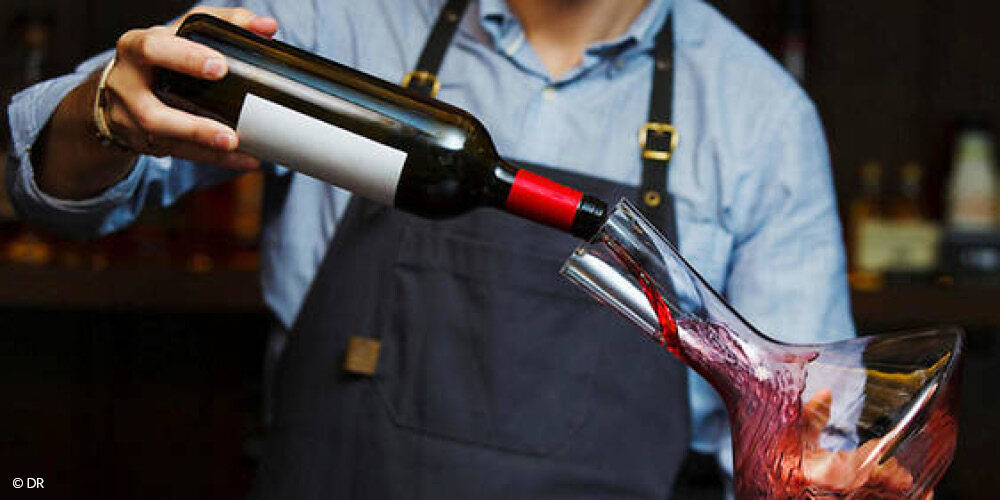
A great wine delivered badly can ruin the experience. Online wine sales demand flawless logistics. Sturdy packaging, on-time delivery, responsive customer service... All of these elements help build loyalty.
Some domaines outsource logistics. Others handle it in-house with care. In every case, service quality matters just as much as product quality. Wine digitalization should never make us forget the importance of human connection.
Thinking about subscriptions to smooth out sales
Offering a monthly or quarterly box is a smart strategy. It helps smooth out sales, avoid uneven spikes, and secure recurring revenue. The customer receives a personalized selection at home.
Inspired by direct marketing, this model works well for wine e-commerce. It rewards long-term relationships and the element of surprise. It builds loyalty with little effort, as long as shipments are well targeted.
Training teams in wine digitalization
Finally, selling online doesn’t happen by chance. Teams need to understand the tools, the habits, and the expectations of connected customers. Basic training in e-commerce or digital communication is often necessary.
Wine digitalization doesn’t replace human contact. But it enriches it. It allows winegrowers to tell their story better, reach a wider audience, and secure their income.
If you enjoyed this article, don't hesitate to read the next one, "How can you keep an opened bottle fresh for longer?", which may also interest you!
Good to know:
The best way to get better at tasting is to write down what you taste: colour, nose, palate, and above all what you thought of it. Over time, your notes reveal your preferences far better than any guide. In Oeni, every bottle in your cellar has its own tasting sheet, ready to fill in within seconds.