Summarize this article with
Rosé wine is often associated with summer, light meals, and relaxed outdoor gatherings. Yet this sunny style is still sometimes misunderstood, weighed down by clichés and misconceptions. Let’s demystify rosé wines together, from how they’re made to how they taste, and explore their place in food and wine pairings so you can better appreciate their diversity.
The Origins and Distinctive Qualities of Rosé Wines
Rosé wines have existed since antiquity, long before the reds and whites we know today.
1. A Unique and Varied Color
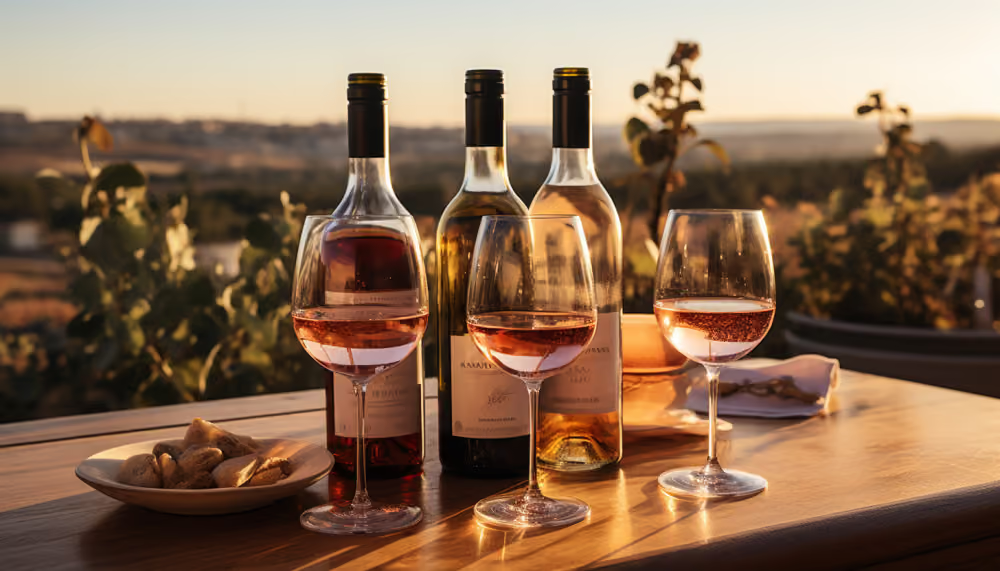
Rosé color ranges from pale pink to deep pink. It depends on the grape variety and the length of maceration.
2. Production Methods
- Short maceration: Red grapes macerate with their skins for just a few hours, giving the wine a light hue.
- Direct pressing: The grapes are pressed immediately after harvest to produce fresh, delicate rosé wines.
- Blending: Allowed in some countries, this method involves mixing red wine and white wine (rarely used for French AOCs).
Myths About Rosé Wines

Myth 1: Rosé Is a Blend of Red and White
In France, this method is forbidden for AOCs, except for rosé Champagne. Rosés are made mainly through short maceration.
Myth 2: Rosé Is a Low-Quality Wine
Some people think rosé is a “rushed” wine. Yet respected domaines produce top-tier rosé wines.
Myth 3: Rosé Is Only for Summer
Although it’s a popular summer wine, some rosés can be enjoyed all year long, especially with fine food.
The Leading Rosé Wine Regions
1. Provence: The Essential Reference
Provence is world-renowned for its delicate rosé wines, with aromas of red berries and flowers.
- Famous AOCs: Côtes de Provence, Bandol, Palette.
- Characteristics: Freshness, lightness, notes of peach and citrus.
2. Languedoc-Roussillon
This region produces a wide range of rosés, often fruitier and more intense than those from Provence.
- Grape varieties used: Grenache, Syrah, Cinsault.
- Characteristics: Fruity, structured, perfect with Mediterranean dishes.
3. Loire Valley
The Loire offers elegant rosés, often slightly sweet.
- Famous AOCs: Rosé d’Anjou, Cabernet d’Anjou, Sancerre rosé.
- Characteristics: Softness, notes of red fruit.
Food and Wine Pairings with Rosé
1. Aperitifs and Starters
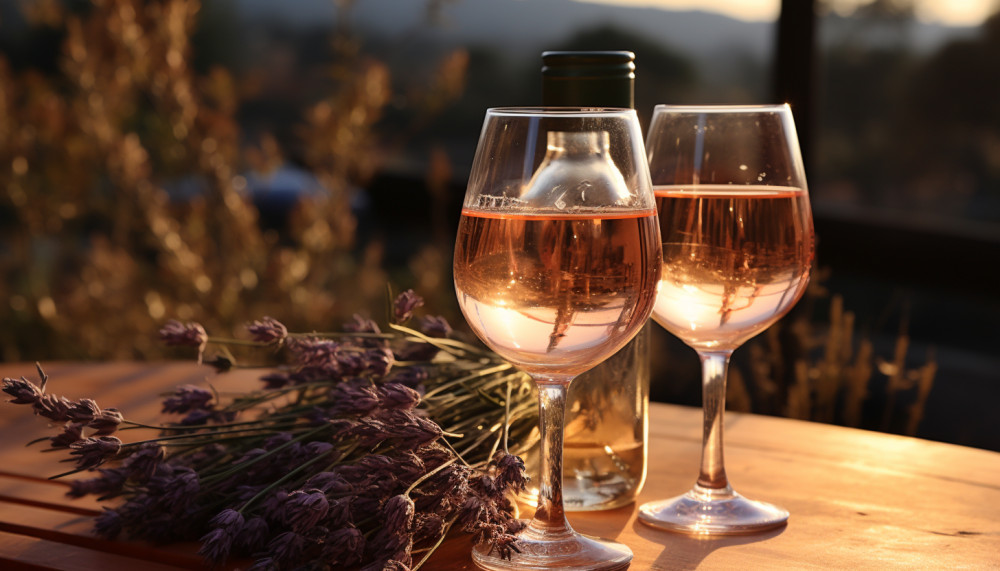
A fresh, light rosé pairs beautifully with tapas, olives, or raw vegetables.
Example: Côtes de Provence with a summer vegetable tart.
2. Main Courses
Structured rosés work well with more substantial dishes.
Example: Bandol rosé with white meat or a tagine.
3. Seafood and Fish
Bright, mineral rosés are ideal with seafood dishes.
Example: Sancerre rosé with oysters or ceviche.
4. Desserts
A slightly sweet rosé makes a lovely match for desserts with red berries or citrus.
Example: Rosé d’Anjou with a strawberry tart.
Rosé as an Age-Worthy Wine: Myth or Reality?
Contrary to popular belief, some rosés can age for a few years and gain in complexity.
Age-Worthy Rosés
- Bandol: This powerful rosé improves with time.
- Tavel: A Rhône Valley rosé known for its aging potential.
Storage Conditions
To store them properly, keep the temperature steady and the humidity right. A well-organized wine cellar ensures ideal preservation.
Current Trends in Rosé Wines
1. International Success
Rosé wines are winning fans far beyond France, becoming a global trend.
2. Innovation in Production
Some producers are exploring biodynamic and natural methods to create unique rosés that are kinder to the environment.
3. The Rise of Sparkling Rosés
Sparkling rosés, such as Crémants or rosé Champagnes, are growing in popularity for festive occasions.
Why Rosé Wine Is a Summer Essential
The ultimate summer wine, rosé stands out for its freshness and versatility.
- Easy to enjoy: Light and refreshing, it’s just as enjoyable on its own as it is with food.
- Culinary versatility: Its diversity makes it a perfect partner for summer meals, from barbecues to salads.
- A convivial moment: Rosé is all about sharing, friendship, and relaxing outdoors.
Conclusion
Rosé wines deserve a place of honor on your table, far beyond summer. Their diversity, freshness, and food-friendly versatility make them valuable companions for every occasion. Explore the different regions, learn how to pair them with your dishes, and discover flavors that will elevate your meals.
If you enjoyed this article, don't hesitate to read the next one, "Understanding Wine Labels: Decoding the Essential Information", which may also interest you!
Good to know:
The best way to get better at tasting is to write down what you taste: colour, nose, palate, and above all what you thought of it. Over time, your notes reveal your preferences far better than any guide. In Oeni, every bottle in your cellar has its own tasting sheet, ready to fill in within seconds.