Summarize this article with
The wine scene is constantly evolving. Today, emerging appellations are drawing the attention of professionals. These new terroirs are shaking up tradition and offering promising wines that can stand alongside the greatest regions.
Why sommeliers are turning to emerging appellations
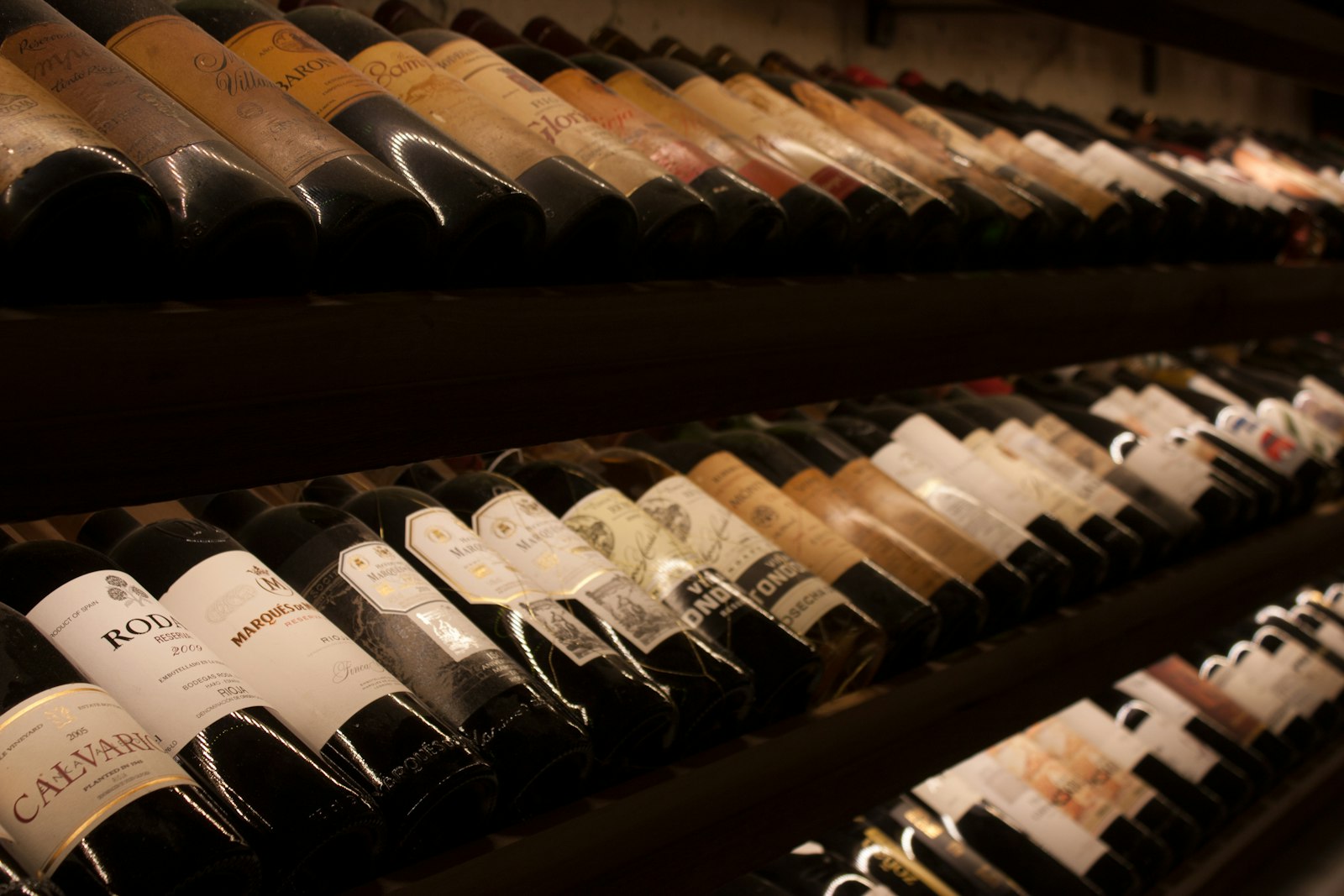
Sommeliers are looking for originality. They want to offer their clients unique bottles. Emerging appellations let them step off the beaten path. These still little-known wine regions offer a wonderful range of aromas. The promising wines from these areas often deliver excellent value for money. They help professionals surprise guests with rare, accessible discoveries. They’re also strategic choices on the wine lists of Michelin-starred restaurants.
Languedoc and the rediscovery of its new terroirs

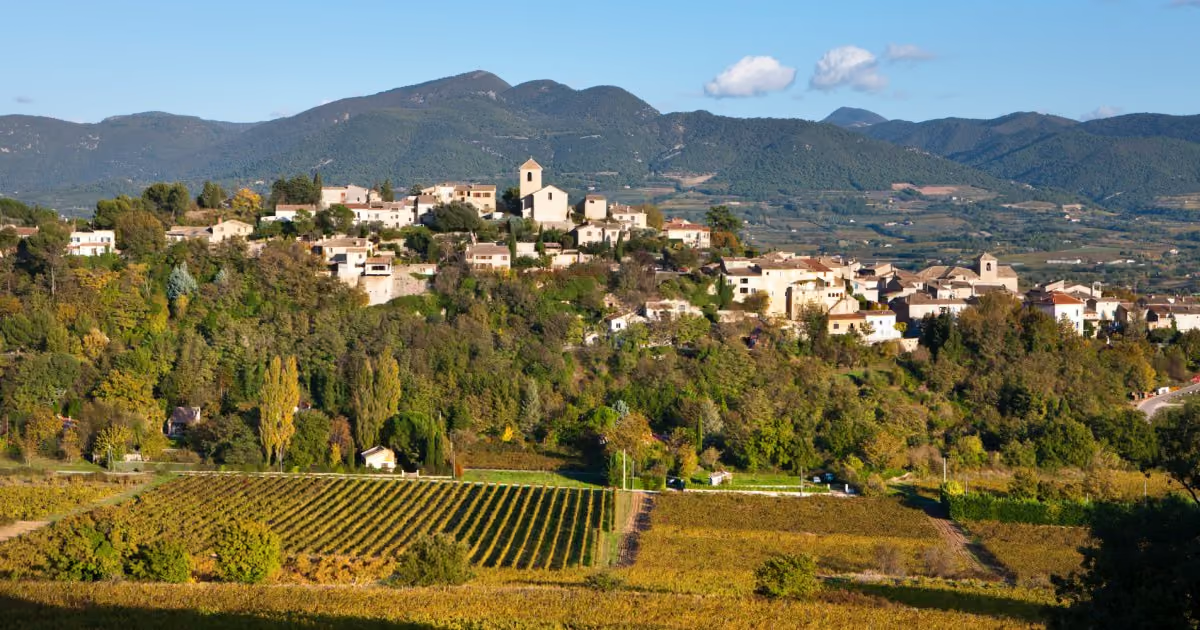
Long considered a land of bulk wine, Languedoc is changing its image. Areas such as Faugères, Pic Saint-Loup, and Terrasses du Larzac are gaining recognition. These new terroirs are winning people over with their diversity of soils and the creativity of their winegrowers. The Mediterranean climate, combined with altitude and winds, produces promising wines with a strong sense of identity.
Savoie: a revival that inspires confidence
Once limited to mountain tables, Savoie is quietly making its way onto sommeliers’ selections. Its native grape varieties, such as Jacquère, Altesse, and Mondeuse, are making a strong comeback. Sommeliers appreciate these promising wines for their freshness and minerality. These emerging appellations also benefit from climate change, which allows the grapes to reach better ripeness.
Jura: between tradition and rediscovery
Jura is no longer a secret for connoisseurs. Its oxidative wines, such as Vin Jaune, are intriguing. More classic whites based on Savagnin or Chardonnay are also winning fans. These new terroirs are finding an audience again thanks to natural winemaking methods. Sommeliers are showcasing the authenticity of these emerging appellations on the wine lists of demanding restaurants.
Southwest France: a field of exploration for sommeliers

Madiran, Jurançon, Gaillac, and Marcillac are stepping out of the shadows. These areas of Southwest France are full of rare grape varieties and ancestral know-how. They produce promising wines, both red and white. The assertive character of these wines appeals to knowledgeable enthusiasts. The terroir, often shaped by mountains or ocean influence, creates powerful aromatic profiles.
Emerging appellations beyond France’s borders
Sommeliers aren’t stopping at French regions. Germany, with its Spätburgunder, Austria with Blaufränkisch, and Lebanon with wines from the Bekaa Valley, are all gaining ground. These new terroirs offer singular tasting experiences. They enrich the wine lists of prestigious establishments with promising wines from varied climates and distinctive grape varieties.
The role of winegrowers in the rise of these appellations
Pioneering winegrowers play a key role in raising the profile of these emerging appellations. Their commitment to organic or biodynamic farming reassures a demanding clientele. They often work small parcels with tightly controlled yields. Their artisanal approach brings promising, authentic, and sincere wines into the spotlight. It all helps build growing excitement around them.
A response to the demand for more accessible wines
The price of classic grand cru wines rises every year. Sommeliers are looking for quality alternatives at more accessible prices. Emerging appellations answer that need perfectly. These new terroirs offer balanced profiles that are easy to pair with inventive cuisine. That makes it possible to expand the range of wines by the glass while maintaining a consistent level of quality.
How sommeliers select promising wines
The choice rests on several criteria: terroir, winemaking, style, and gastronomic potential. Sommeliers taste, compare, and exchange ideas with winegrowers. Promising wines need to bring a touch of originality without upsetting the balance. They also have to accompany haute cuisine dishes without overpowering them.
Toward a more diverse future for wine lists
The rise of emerging appellations points to lasting change. Wine lists are becoming more international and more eclectic. Sommeliers are acting as bridges between discreet terroirs and curious wine lovers. This trend enriches the guest experience. It also helps showcase the diversity of the world’s vineyards while supporting passionate winegrowers.
If you enjoyed this article, don’t hesitate to read the next one, "Wine and Michelin-starred cuisine: how do sommeliers choose the perfect pairings?", which might also interest you!
Good to know:
The best way to get better at tasting is to write down what you taste: colour, nose, palate, and above all what you thought of it. Over time, your notes reveal your preferences far better than any guide. In Oeni, every bottle in your cellar has its own tasting sheet, ready to fill in within seconds.