Summarize this article with
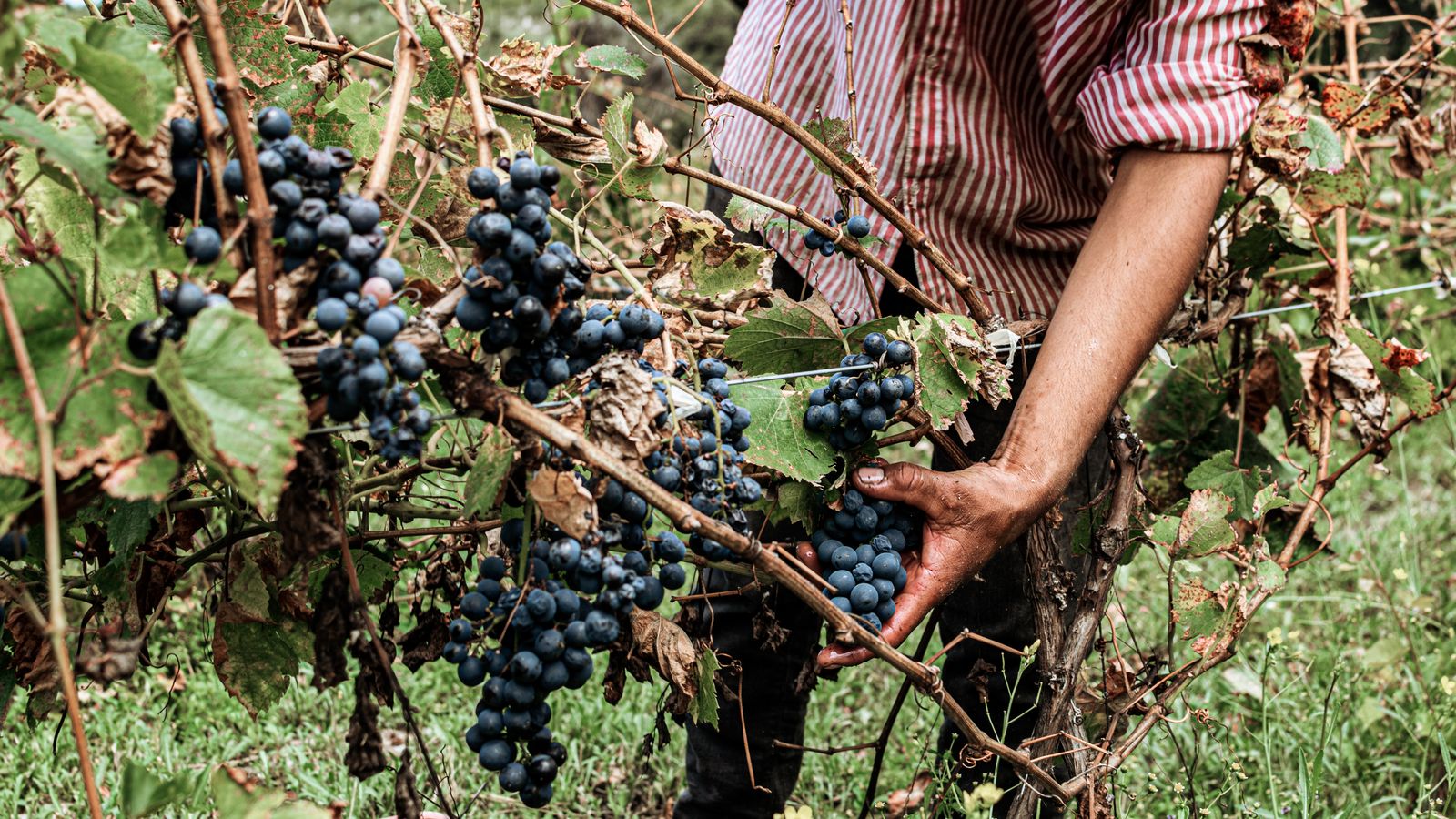
Over the past few years, a new arrival has been making its way into the glasses of sparkling wine lovers: pet nat. This natural sparkling wine is enjoying a real surge in popularity, especially among fans of wines that feel more raw and alive.
If articles about the world of wine interest you, download our app on iOS or Android. It gives you access to our wine glossary, our articles, and our innovative solution, designed for every wine consumer and collector.
A very distinct production method
Let’s start with what fundamentally sets them apart: the production method. Pet nat, short for pétillant naturel, is made using the ancestral method. The winemaker bottles a wine that is still fermenting. Fermentation then finishes in the bottle, creating gas naturally.
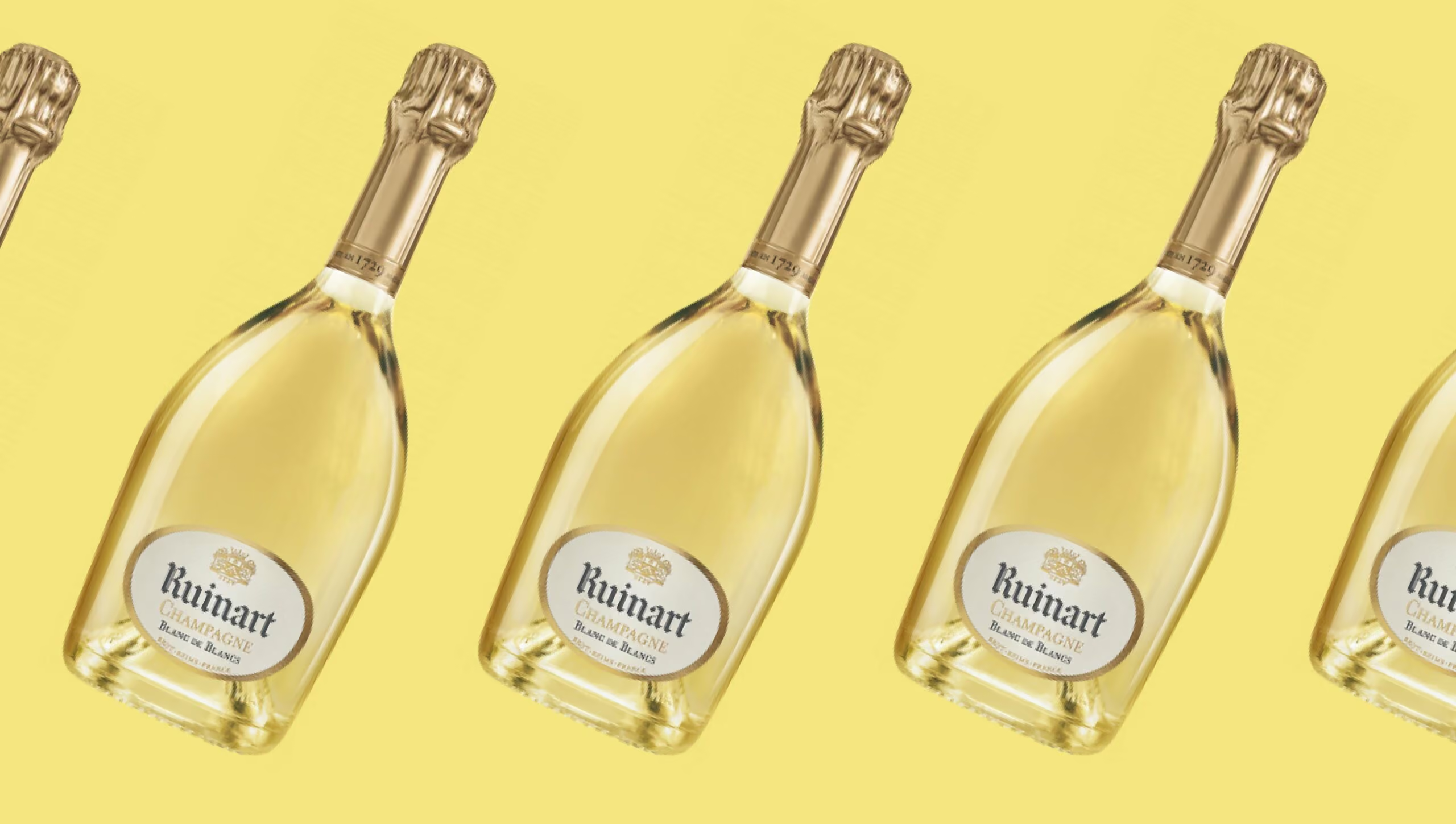
Champagne, by contrast, follows a much more codified method known as the traditional method. A first fermentation takes place in tank. Then, after the addition of sugar and yeast, a second fermentation occurs in the bottle. It’s this second fermentation that creates Champagne’s fine bubbles.
A sharply contrasting visual and flavor profile
The ancestral method used for natural sparkling wine produces a wine that is often cloudy, since it isn’t filtered. It’s not unusual to find sediment at the bottom of the bottle. That raw edge appeals to lovers of natural, living wines.
Champagne, on the other hand, aims to be clear, elegant, and crystalline. Sediment is removed through disgorgement, and dosage (the addition of sugar) refines the final style. The result is often more polished, with precise aromas and a delicate mousse.
Production time changes everything
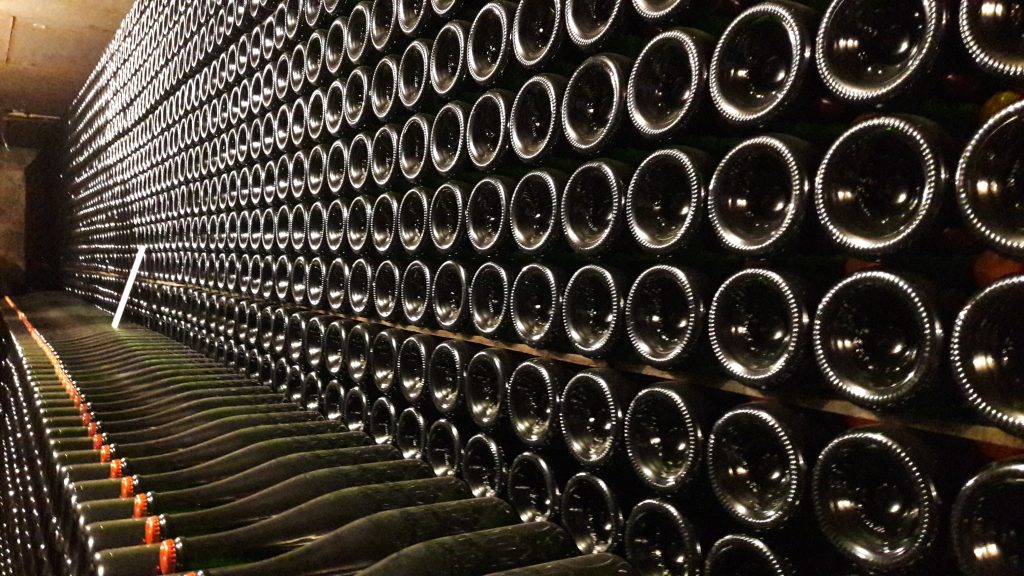
Champagne often ages for several months, sometimes even several years, on the lees. This long rest develops complex aromas: brioche, hazelnut, candied citrus. It takes time to craft a great Champagne.
Pet nat, by contrast, is ready quickly. It can sometimes reach the market in just a few months. That speed gives you a cheerful, zesty wine, often very fruit-forward, perfect for light aperitifs.
A price that reflects the method
It’s hard to ignore the question of price. Champagne requires a great deal of labor, specialized equipment, and a long aging period. All of that translates into a high cost, sometimes justified by the prestige of the appellation.
Pet nat, by contrast, requires less intervention and less equipment. As a result, it generally costs much less. That makes it more accessible for anyone who wants to explore sparkling wine in a different way.
Different drinking occasions
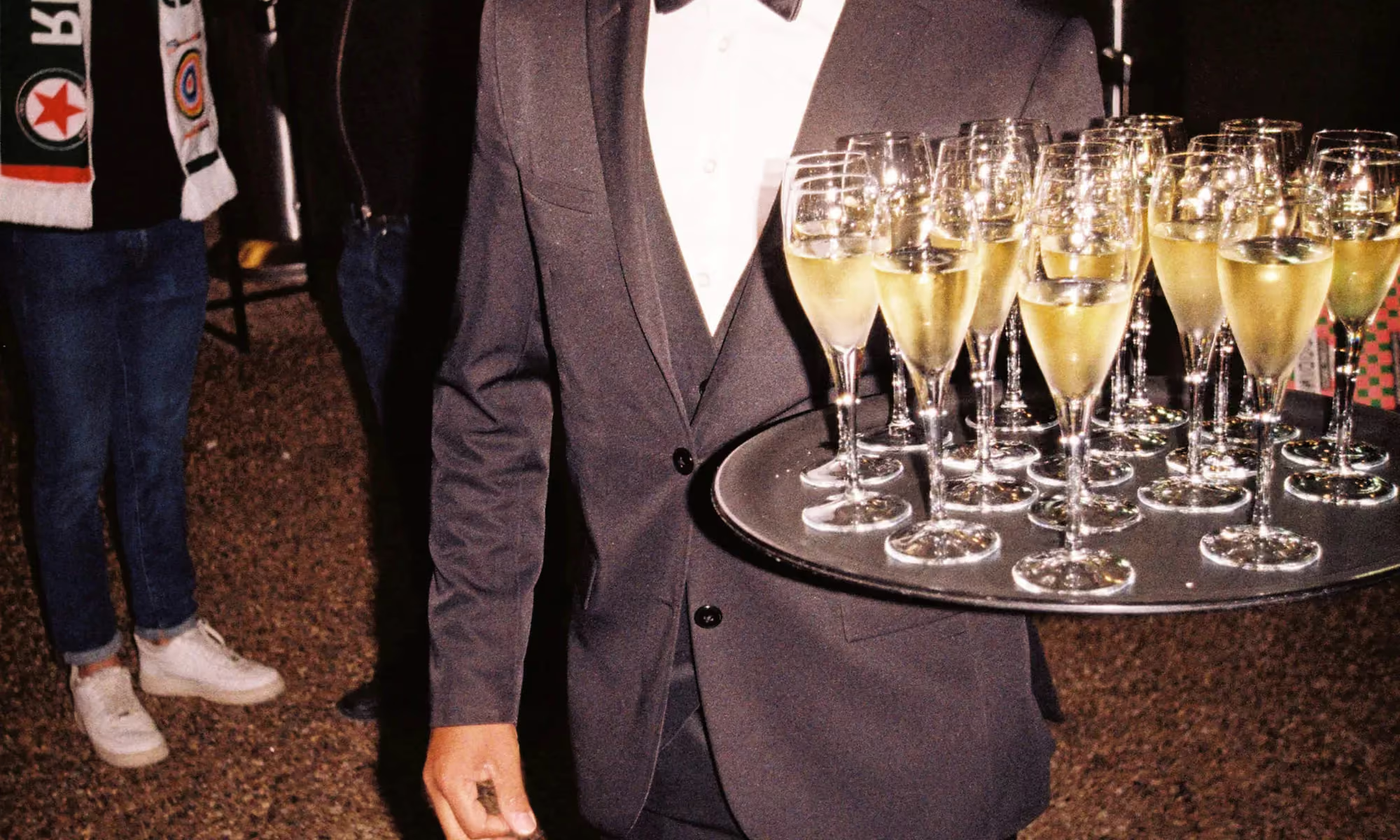
Champagne remains tied to life’s big moments: weddings, New Year’s Eve celebrations, graduations. It belongs to a festive, refined world. Its elegant sparkle pairs beautifully with gourmet dishes like lobster, oysters, or gougères.
Pet nat, meanwhile, is more at home at casual aperitifs, picnics, or relaxed gatherings around the table. It pairs well with simple dishes: charcuterie boards, composed salads, and global cuisine.
A philosophical choice
Beyond taste, choosing between Champagne and pet nat is also about choosing a wine philosophy. Natural sparkling wine is often made by independent winegrowers committed to organic or biodynamic practices. It’s not uncommon for pet nat to be made without added sulfur, without filtration, and without correction.
Champagne, while sometimes organic, remains a wine governed by strict specifications and a long-standing tradition. Its production follows a highly regulated protocol. That ensures consistency, but it can sometimes limit creative freedom.
Pay attention to storage
Another notable difference: shelf life. Champagne, thanks to its method, can age for many years. Some vintages reach their peak after ten or twenty years.
Pet nat, however, is best enjoyed young. Its bright, fruity aromas fade quickly. You should drink it within twelve to eighteen months after bottling.
A different bubble in the glass
Even the texture of the bubbles varies. Champagne offers a fine, persistent, almost creamy mousse. That’s the result of lees aging and precise craftsmanship.
Pet nat, meanwhile, delivers a broader bubble, sometimes a little wild, less even. That raw character appeals to those who like wines that are frank and sometimes surprising.
A field of exploration for the curious
Finally, it’s worth noting that the two styles don’t necessarily oppose each other. They can happily coexist in a cellar or a tasting. Natural sparkling wine lets you discover unexpected terroirs, forgotten grape varieties, and bold winegrowers.
Champagne remains an essential benchmark for understanding sparkling wine at its most noble and controlled.
If you enjoyed this article, don’t hesitate to read the next one, "Using Oeni as an interactive tasting journal", which may also interest you!
Good to know:
The best way to get better at tasting is to write down what you taste: colour, nose, palate, and above all what you thought of it. Over time, your notes reveal your preferences far better than any guide. In Oeni, every bottle in your cellar has its own tasting sheet, ready to fill in within seconds.