Summarize this article with
Nestled at the far southern tip of the Americas, Patagonia offers a unique terroir for lovers of fine wine. Far from the clichés, this Argentine region is attracting more and more winegrowers. With its altitude, freshness, and precise aromatic profile, Patagonia’s wines are steadily making their mark on the international stage.
If articles about the wine world interest you, download our app on iOS or Android. It gives you access to our wine glossary, our articles, and our innovative solution, designed for every wine consumer and collector.
An Extraordinary Wine Region
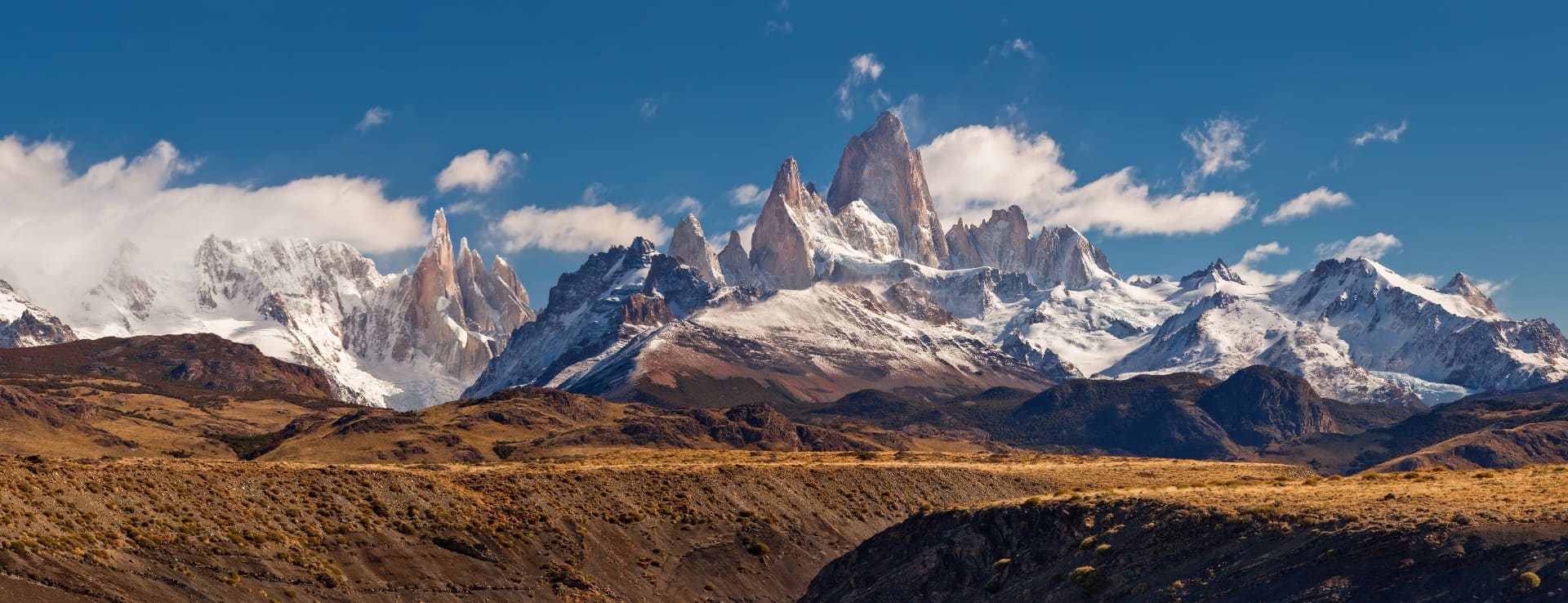
Patagonia’s wine country spans mainly the provinces of Río Negro, Neuquén, and Chubut. More than 800 kilometers south of Mendoza, it stands out for its singular climate. Altitude, often above 300 meters, and cool winds from the Andes naturally protect the vines from disease.
Thanks to this combination of extreme freshness and intense sunshine, the grapes ripen slowly. The result is balanced wines with bright acidity and rare aromatic finesse. This is what people mean when they talk about Patagonia high-altitude wine, a perfect reflection of its environment.
Patagonia’s Signature Grape Varieties
Several grape varieties thrive in these southern lands. The most famous remains Pinot Noir. In Patagonia, this grape reveals a purity and elegance comparable to Burgundy. Notes of red fruit, sweet spice, and flowers win over wine lovers around the world.
Malbec, the star of Argentina’s vineyards, also finds its place here. Fresher and more taut than in Mendoza, it shows a more refined profile. You’ll find silkier tannins and more pronounced acidity.
Finally, white wines are making strong gains. Chardonnay and Sauvignon Blanc benefit from cool nights to preserve their lively freshness. They offer clean aromas of white fruit, citrus, and sometimes even a hint of minerality.
Ideal Conditions for Organic Farming
Patagonia also stands out for its ability to produce organic wines. The dry climate, low rainfall, and constant winds limit the need for vineyard treatments. That makes it easier to farm the vineyards using sustainable or organic methods.
What’s more, the distance from major cities helps protect the land from contamination. Winegrowers benefit from a preserved ecosystem, ideal for environmentally respectful viticulture.
The Must-See Estates
Among the essential producers, Bodega Chacra stands out. Located in the Río Negro Valley, it produces Pinot Noirs of remarkable precision. The estate works biodynamically, which strengthens the authenticity of its cuvées.
In the province of Neuquén, Bodega Patritti offers a wide range of balanced wines. Their Malbec charms with its fruit and freshness. Humberto Canale, one of the region’s pioneers, remains a historic benchmark with classic, consistently reliable cuvées.
Chubut, farther south, is becoming the new frontier of winemaking. There, estates are successfully experimenting with white grape varieties. The potential seems immense, so dominant are freshness and acidity.
Why Choose a Patagonia Wine?
Choosing a Patagonia wine means choosing something vibrant, precise, and honest. These wines often offer excellent value for money. They bring real aromatic complexity while remaining easy to drink and easy to pair with food.
The extreme freshness of the region also helps them age well. Their aging potential often surprises wine lovers. These cuvées evolve slowly, gaining finesse over time.
Food and Wine Pairings: Freshness at the Table
Patagonia’s white wines are ideal with grilled fish, ceviche, or crisp salads. Their acidity wakes up the palate and balances briny dishes.
Pinot Noir pairs beautifully with roast poultry or a veal fillet. Its aromatic finesse also brings out the best in mushrooms and soft cheeses.
A Promising Future for Southern Wines
Today, the region is attracting renowned oenologists. Their presence is helping improve winemaking techniques. Recent investment is also supporting the overall rise in quality.
Southern Argentine vineyards are investing in modern cellars. That gives them greater control over winemaking and room to explore new expressions. They don’t hesitate to experiment with amphora aging or more neutral oak.
How to Add Them to Your Own Cellar
Adding Patagonia wines to your cellar means betting on age-worthy cuvées that are still accessible. To store them properly, choose a cool, stable space. Patagonia high-altitude wine ages well, especially Pinot Noir and dry whites.
Label your bottles by region and vintage. That’ll make it easier to choose when the time comes to open them. Taste them regularly to follow their evolution. Some Pinots can be enjoyed young, while others deserve a few years of patience.
A Viticulture Worth Watching Closely
Patagonia wines embody the renewal of Argentina’s vineyards. They offer an unusual profile that is fresh, balanced, and refined all at once. Their aging potential and finesse are winning over more and more discerning wine lovers.
At a time when climate change is affecting the world’s major wine regions, Patagonia is emerging as a promising alternative for the future. Patagonia high-altitude wines could well become tomorrow’s essentials.
If you enjoyed this article, don’t hesitate to read the next one, "Which wine will elevate a ceviche?", which might also interest you!
Good to know:
The best way to get better at tasting is to write down what you taste: colour, nose, palate, and above all what you thought of it. Over time, your notes reveal your preferences far better than any guide. In Oeni, every bottle in your cellar has its own tasting sheet, ready to fill in within seconds.