Summarize this article with
Orange wines are generating growing excitement among wine lovers and professionals alike. This unique style, rooted in an ancient method, wins people over with its originality and complex aromas.
The history of orange wines: from ancient origins to a modern trend
1. An age-old technique
Orange wines trace their origins to Georgia more than 8,000 years ago. Georgian winegrowers used qvevris (large clay jars) to ferment grapes with their skins, giving the wine its amber color.
2. A recent revival
This style of wine was rediscovered in the early 2000s, notably by winegrowers in Italy and Slovenia. They helped popularize this traditional method in response to the growing interest in natural wines.
3. Worldwide popularity
Today, orange wines are produced all over the world, from California to Australia, while staying true to their artisanal approach.
How are orange wines made?
1. A unique method
The natural wine production of orange wines follows a minimalist approach that respects the environment.
- Process: White grapes ferment with their skins and sometimes their stems, just like red wine.
- Maceration time: This step lasts anywhere from a few days to several months, depending on the style desired.
2. The importance of grape skins
The skins bring tannins, structure, and a distinctive amber color. They also shape the aromas, adding notes of dried fruit, spice, and honey.
3. Winemaking techniques
- Use of clay jars: This ancestral method allows for gentle, natural micro-oxygenation.
- Native yeasts: Producers favor the natural yeasts present on the grapes to preserve the authenticity of the terroir.
- No additives: No sulfur or other additives are added, reinforcing the natural wine image.
4. Iconic regions
- Georgia: The birthplace of orange wines.
- Italy: Friuli and Tuscany produce orange wines with grape varieties such as Ribolla Gialla.
- Slovenia: The vineyards of Goriska Brda are famous for their amber, complex wines.
The characteristics of orange wines
1. A unique color
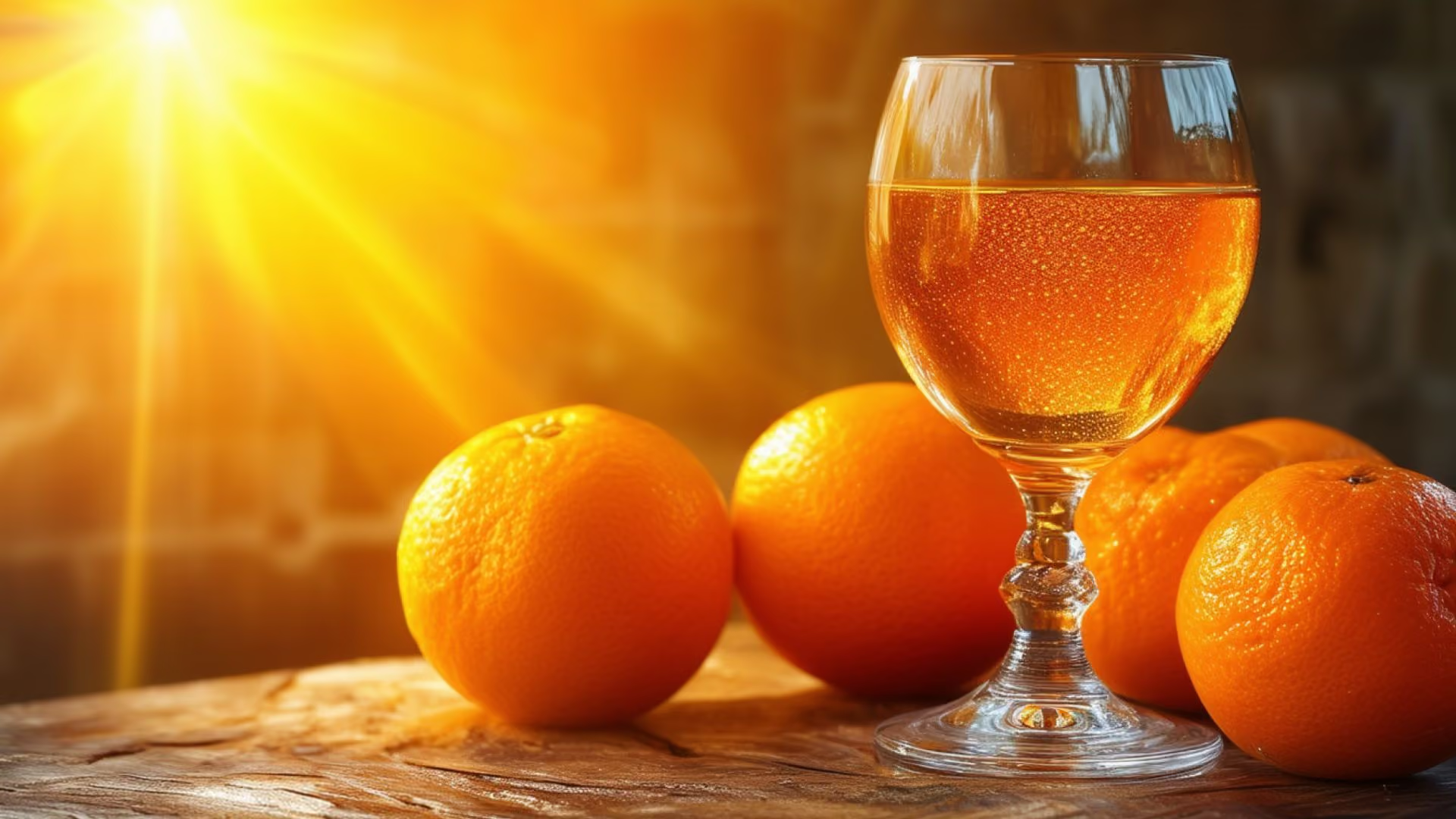
Orange wines display a color range from pale gold to deep amber, reflecting the length of maceration.
2. Rich, complex aromas
- Typical notes: Dried fruit, candied citrus, spice, honey, and dried flowers.
- Evolution: Their aromatic profile develops over time, offering a different experience with every tasting.
3. A distinctive texture
The tannins, usually absent in white wines, give them a more structured texture and a truly unique mouthfeel.
4. Balanced acidity
These wines combine freshness and intensity, making them versatile for many food and wine pairings.
Wine tasting: how do you enjoy orange wines?
1. Set the right conditions
- Serving temperature: Serve them slightly chilled, between 10 and 14°C, to reveal their aromas without masking their complexity.
- Use the right glasses: Red wine glasses help showcase their aromatic richness.
2. Explore their aromas
Take the time to observe their color and inhale their aromas before the first sip.
3. Enjoy their structure
The tannins and acidity bring a unique dimension, different from traditional white or red wines.
4. Food and wine pairings with orange wines
- Spicy cuisine: They pair beautifully with Asian or Indian dishes.
- Aged cheeses: Their tannic structure balances the richness of the cheeses.
- Mediterranean dishes: Grilled vegetables and herbs work beautifully with their complex notes.
Mistakes to avoid with orange wines
1. Comparing them to traditional wines
Orange wines have their own identity. Don’t judge them by the standards of white or red wines.
2. Serving them too cold
A temperature that’s too low masks their subtle aromas and complexity.
3. Ignoring personal preferences
Their profile can be surprising for newcomers. Introduce them with lighter, more approachable styles.
Why are orange wines so appealing?
1. An alternative to classic wines
They attract wine lovers looking for something new and authentic.
2. An environmentally respectful approach
The natural wine production approach highlights sustainable practices that respect the terroir.
3. An attractive aesthetic
Their amber color and artisanal presentation make them a popular choice for special occasions.
Trends around orange wines
1. Dedicated events
Many wine fairs offer special tastings to showcase this unique style.
2. Sommelier interest
Michelin-starred restaurants are increasingly adding them to their wine lists to surprise guests.
3. Expansion of producing regions
Vineyards in California, South Africa, and Australia are adopting these methods to diversify their offerings.
Conclusion: orange wines, an experience worth discovering
Orange wines, with their rich history, their natural wine production method, and their unique qualities, offer an incomparable experience. Their bold character and complexity make them an ideal choice for curious wine lovers or special occasions. At your next wine tasting, take the time to savor an orange wine and let its singular character win you over.
If you enjoyed this article, feel free to read the next one, "Rare grape varieties to discover to enrich your cellar", which might also interest you!
Good to know:
The best way to get better at tasting is to write down what you taste: colour, nose, palate, and above all what you thought of it. Over time, your notes reveal your preferences far better than any guide. In Oeni, every bottle in your cellar has its own tasting sheet, ready to fill in within seconds.