Summarize this article with
Natural sparkling wines are winning over more and more wine lovers thanks to their artisanal production methods and their distinctive freshness. Often called “Pét-Nat” (short for Pétillant Naturel), these wines offer an authentic, creative alternative to classic Champagne and Crémant.
What Is a Natural Sparkling Wine?
1. An Ancestral Production Method
Natural sparkling wines are made using the ancestral method. Fermentation starts in tank and finishes in the bottle, creating bubbles naturally without any added sugar or yeast.
- Light, natural bubbles.
- A raw, fruity taste.
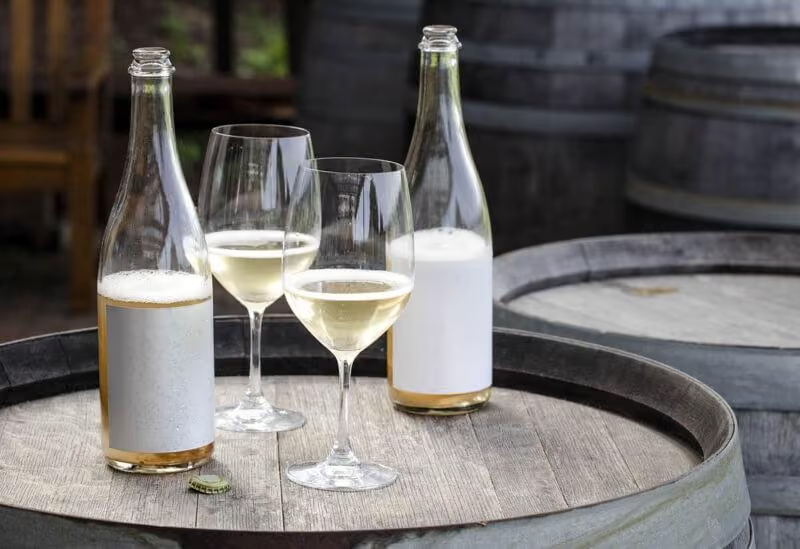
- Often unfiltered, with visible sediment.
2. How They Differ from Other Sparkling Wines
Unlike Champagne or Crémant, Pét-Nat wines do not undergo a second fermentation in the bottle or any sugar dosage.
3. Organic and Natural Wines
Producers of natural sparkling wines often favor organic or biodynamic practices, ensuring wines that are kinder to the environment.
The Science Behind “Natural Sparkle”
Understanding why a Pét-Nat sparkles — and why it’s different from Champagne — completely changes the way you choose and taste it.
Bubbles: finer and more fleeting in a Pét-Nat (lower pressure), they disappear faster than in Champagne.
Sediment: normal and healthy. These are residual yeasts that add aromatic complexity (notes of bread and yeast).
Residual sugar: varies depending on where fermentation stops, from extra-brut to semi-dry depending on the producer. Always check the label.
Stability: more fragile than a classic wine. A poorly stored Pét-Nat can restart fermentation and overpressurize the bottle.
Why Are Natural Sparkling Wines So Trendy?
1. An Artisanal, Authentic Approach
Wine lovers appreciate Pét-Nat for their artisanal production, far removed from industrial processes.
2. A Wide Range of Flavors
Every bottle of natural sparkling wine offers a unique experience thanks to natural variations in fermentation.
3. A Symbol of Togetherness
Their approachable, festive character makes them perfect wines for sharing moments.
4. Growing Interest in Natural Wines
The natural wine movement, which favors minimalist practices, has helped fuel the rise of Pét-Nat.
The Leading Regions for Natural Sparkling Wines
1. France
- Loire: The Loire is a true Pét-Nat hotspot, with grape varieties like Chenin Blanc and Cabernet Franc.
- Languedoc: Producers here are exploring native grape varieties for expressive sparkling wines.
2. Italy
- Artisanal Lambrusco: Though often associated with sweet wines, dry Lambrusco is part of the sought-after Pét-Nat world.
- Natural Prosecco: Some Prosecco producers are returning to ancestral methods for more authentic wines.
3. Other Emerging Regions
- Spain: Natural Cava stands out for its freshness.
- Australia: Young Australian winemakers are experimenting with local grape varieties and original Pét-Nat styles.
Which Pét-Nat Should You Choose for Your Profile?
Beginner Profile: “I Want to Explore Without Getting It Wrong”
Your wine: Gamay Pét-Nat from Beaujolais or dry Lambrusco
Why: fruity, with no heavy sediment and little aggressive acidity. Easy to enjoy from the very first sip.
Ideal occasion: aperitif with friends, picnic, relaxed meal.
Budget: 8-15 €
Mistake to avoid: buying a Pét-Nat Chenin that’s too young and too cloudy, since suspended yeast can be a surprise if you’re not expecting it.
Perfect pairing: light charcuterie, margherita pizza, mild cheeses.
Enthusiast Profile: “I Want Complexity and Terroir”
Your wine: Loire Chenin Pét-Nat (Vouvray, Montlouis, Saumur)
Why: Chenin develops bright acidity and aromas of apple, honey, and beeswax that few grape varieties can match in the ancestral method.
Ideal occasion: gourmet dinner, vertical tasting, pairing with Asian cuisine.
Budget: 12-22 €
Mistake to avoid: serving it too cold (below 8°C), because the Chenin’s complex aromas will disappear.
Perfect pairing: fish in a lemon sauce, sushi, aged goat cheese.
Collector Profile: “I Want Rare, Age-Worthy Pét-Nat”
Your wine: Mauzac Pét-Nat from Gaillac (Gaillac Mousseux Méthode Ancestrale appellation) or Pineau d’Aunis Pét-Nat from the Loire
Why: these native grape varieties produce unique, little-known Pét-Nat wines, with aging potential of 3-5 years for the best vintages.
Ideal occasion: wine cellar, gifting, themed tastings of forgotten grape varieties.
Budget: 15-35 €
Mistake to avoid: storing them upright. Even Pét-Nat should be kept on their side to maintain cork humidity.
Perfect pairing: semi-cooked foie gras, Tarte Tatin, Southwest French cuisine.
Adventurer Profile: “I Want to Go Off the Beaten Path”
Your wine: sparkling Txakoli (Spanish Basque Country) or orange Pét-Nat (skin contact)
Why: Txakoli offers a unique marine salinity (vines planted near the Atlantic); orange Pét-Nat brings light tannins and a striking oxidative complexity.
Ideal occasion: seafood dinner, fusion cuisine, original tasting night.
Budget: 12-30 €
Mistake to avoid: serving orange Pét-Nat too cold, because it needs 10-12°C to express its grape-skin and spice aromas.
Perfect pairing: oysters, pintxos, Georgian cuisine, lightly spiced dishes.
How to Organize a Wine Tasting Around Pét-Nat
1. Choose a Varied Selection
Include natural sparkling wines from different regions and grape varieties to explore their diversity.
- Suggestions: a Loire Chenin, a dry Lambrusco, and a red Pét-Nat from Languedoc.
2. Prepare Your Bottles
- Serve Pét-Nat slightly chilled, between 8 and 12°C.
- Gently swirl if you want to mix in the sediment, or pour carefully to avoid it.
3. Use the Right Glassware
Choose white wine glasses to concentrate the aromas while still letting the bubbles shine.
4. Take Notes on Your Impressions
During the tasting, jot down notes on the aromas, the texture of the bubbles, and possible pairings.
The 5 Most Common Pét-Nat Mistakes
Oeni helps you avoid making these mistakes ever again. The app analyzes your cellar, tells you the ideal moment to open each bottle, and suggests the best pairings for your Pét-Nat. Download Oeni for free.
Food and Wine Pairings with Natural Sparkling Wines
1. Light Appetizers
Pét-Nat pair beautifully with simple, fresh bites.
- Examples: oysters, raw vegetables, vegetable-based dips.
2. Main Courses
- White Pét-Nat: Ideal with grilled fish, sushi, or composed salads.
- Red Pét-Nat: A great match for white meats, charcuterie, or lightly spiced dishes.
3. Fruity Desserts
A slightly sweet natural sparkling wine pairs beautifully with fruit-based desserts or light tarts.
- Examples: apple tart, fresh fruit salad.
Mistakes to Avoid with Natural Sparkling Wines
1. Keeping Them Too Long
Pét-Nat should be drunk young, because their aromas and bubbles lose intensity quickly.
2. Serving Them Too Cold
Wine that’s too cold hides its subtle aromas. Respect the recommended serving temperature.
3. Comparing Them to Champagne
Pét-Nat have their own identity and shouldn’t be judged by the standards of classic sparkling wines.
Trends Around Natural Sparkling Wines
1. Popular with Younger Generations
Millennials are embracing Pét-Nat for their authentic character and environmental friendliness.
2. Exploring Forgotten Grape Varieties
Winemakers are using native grape varieties to create unique Pét-Nat wines.
3. Pét-Nat-Focused Events
More and more festivals are showcasing these sparkling wines, creating new opportunities for discovery.
Conclusion: A Must for Wine Tasting
Natural sparkling wines are a fascinating trend for lovers of sparkling wine and wine tasting. Their artisanal production methods and unique flavors are winning over an ever-growing audience. Take the time to discover these sparkling treasures and organize a tasting to explore their full diversity.
If you enjoyed this article, feel free to read the next one, "Complete Guide to Food and Wine Pairings for the Holiday Season", which might interest you too!
Good to know:
The best way to get better at tasting is to write down what you taste: colour, nose, palate, and above all what you thought of it. Over time, your notes reveal your preferences far better than any guide. In Oeni, every bottle in your cellar has its own tasting sheet, ready to fill in within seconds.