Summarize this article with
Japan’s vineyards stand out for their recent history and their distinctive technical choices. Set in an environment shaped by humidity and sharply contrasting seasons, they have learned to adapt. Growers work with both local and imported varieties to produce wines with a strong sense of identity.
If articles about the world of wine interest you, download our app on iOS or Android. It gives you access to our wine glossary, our articles, and our innovative solution, designed for every wine consumer and collector.
A demanding climate for the vine
Asia’s winegrowing in Japan has to contend with hot, humid summers. Typhoons and frequent rain make disease management a constant challenge. Cold winters sometimes mean protecting the vines. This climate calls for adapted growing methods and close attention at every step.
The recent rise of Japan’s vineyards
Japanese vineyards have expanded rapidly since the late 19th century. Winemaking techniques brought in from Europe made the first quality cuvées possible. Today, regions such as Yamanashi and Hokkaido produce wines that are widely recognized. Research into Japanese grape varieties and growing methods continues to move forward.
The Japanese Koshu grape: a national symbol
Koshu is Japan’s most emblematic grape variety. This pink-skinned grape produces delicate, fresh white wines. Its natural resistance makes it well suited to a humid climate. Japan’s vineyards showcase this variety as a powerful marker of identity.
The Japanese Muscat Bailey A grape: a fruity red
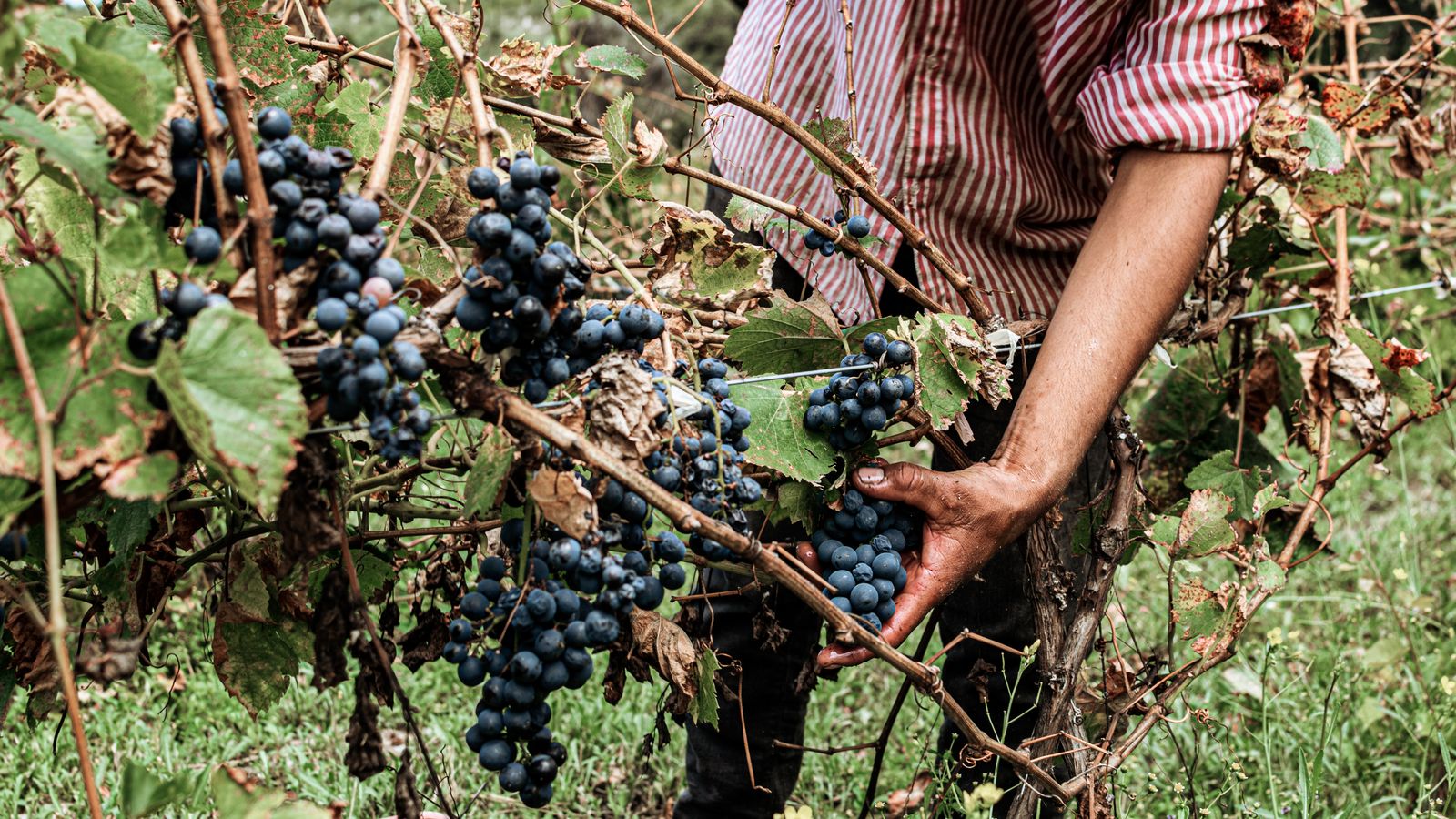
Muscat Bailey A is another important Japanese grape variety. It produces supple reds with aromas of red berries and gentle spice. This hybrid variety comes from a cross between an American grape and vinifera. Its cultivation reflects how Asia’s winegrowing has adapted to local conditions.
The introduction of international grape varieties
Japan’s vineyards also grow Chardonnay, Merlot, and Pinot Noir. These varieties need careful attention to prevent humidity-related disease. Growers often choose early-ripening clones to avoid autumn rains. Bringing these grapes into the mix enriches the diversity of Asia’s winegrowing.
Growing techniques tailored to Japan’s climate
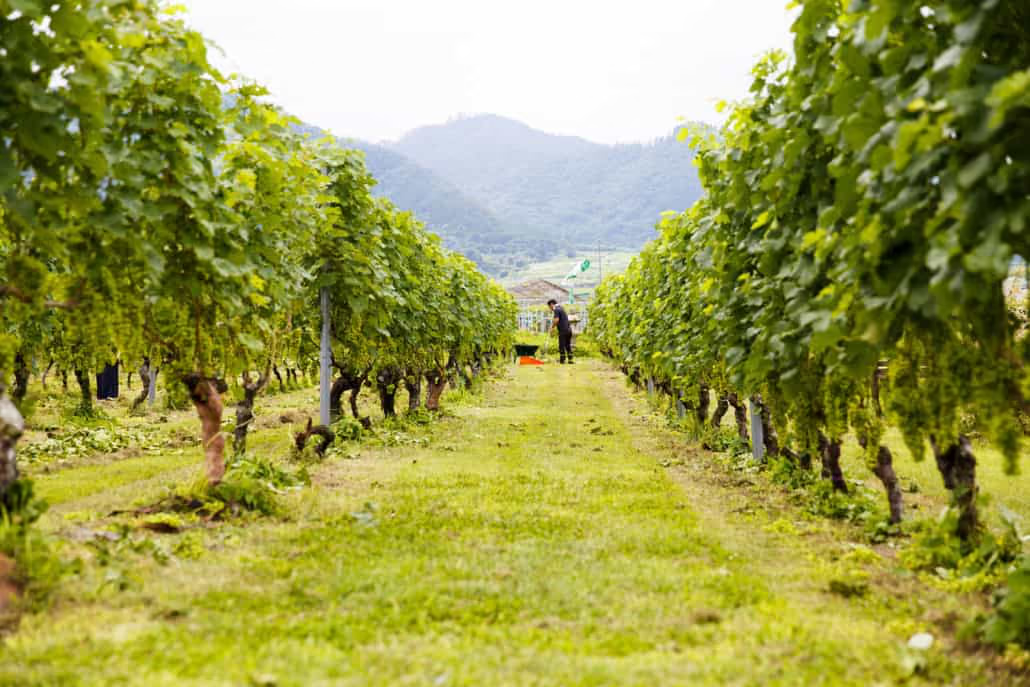
Canopy management is essential in Japanese vineyards. Growers train the vines high to improve air circulation and limit humidity. The bunches are sometimes protected with small paper bags. This practice helps reduce the impact of rain and insects.
Japan’s key wine regions
Yamanashi remains the benchmark for the Japanese Koshu grape. Cooler Hokkaido is well suited to international varieties such as Pinot Noir. Nagano stands out for its balanced Merlots. Each area of Japan’s vineyards adapts its winegrowing to the landscape and local climate.
The influence of gastronomy on wine style
Asia’s winegrowing in Japan seeks harmony with the local cuisine. Light, aromatic wines pair beautifully with delicate dishes such as sushi. Supple reds work well with richer fare, such as grilled duck. This approach shapes winemaking choices.
The future of Japan’s vineyards
Domestic demand for Japanese wine is rising. Exports to Asia and Europe are also growing. Producers are focusing on the value of Japanese grape varieties and environmentally responsible practices. Japanese winegrowing in Asia could soon claim a more prominent place on the world stage.
If you enjoyed this article, don't hesitate to read the next one, "Patagonian wines: extreme freshness and huge potential", which might also interest you!
Good to know:
The best way to get better at tasting is to write down what you taste: colour, nose, palate, and above all what you thought of it. Over time, your notes reveal your preferences far better than any guide. In Oeni, every bottle in your cellar has its own tasting sheet, ready to fill in within seconds.