Summarize this article with
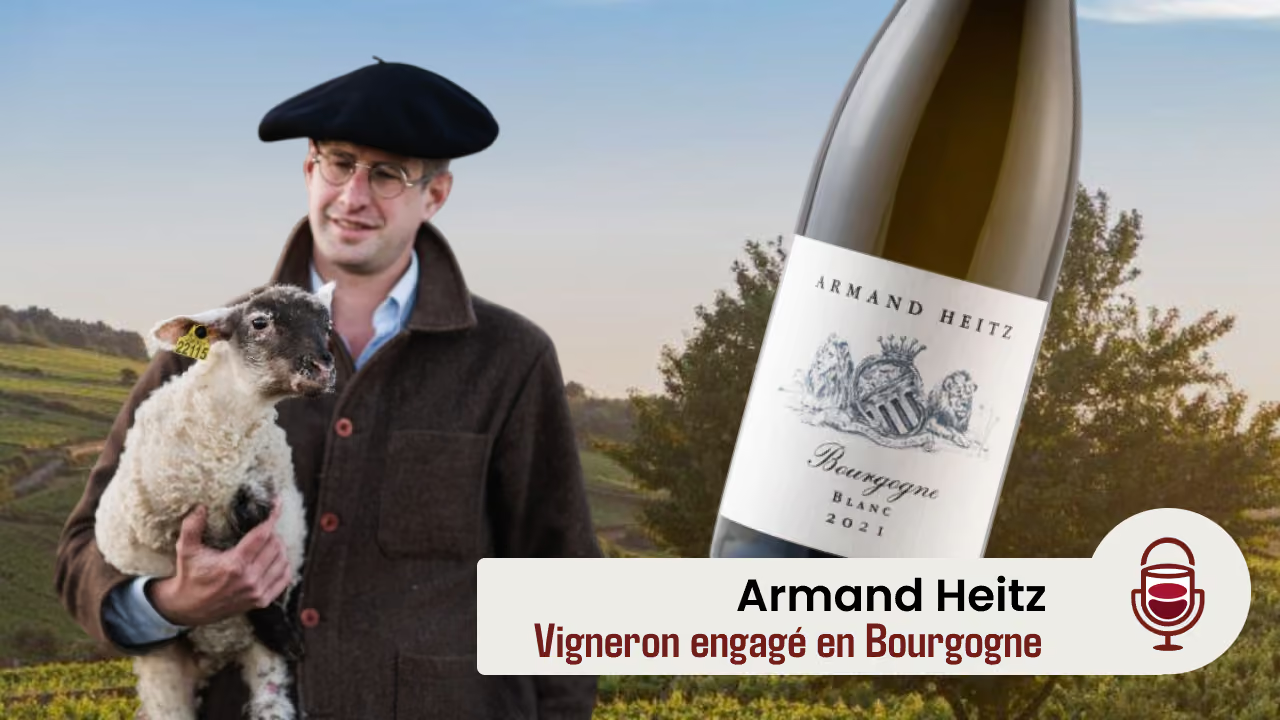
In the third episode of the podcast Entre Deux Vins, Armand Heitz, a passionate winemaker in Burgundy, shares his vision for sustainable viticulture, agronomy, and the future of quality wine production. This episode immerses us in the world of tomorrow's agriculture, where soil preservation and the use of resistant grape varieties are central concerns.
Agronomy: A Solution to Climate Change
One of the major topics discussed by Armand Heitz is agronomy and its challenges for the future of viticulture. For him, agronomy is much more than a scientific discipline: "It's a global issue." According to him, soil biodiversity is in danger, with increasingly depleted soils and clay topsoils that, in times of drought, become as hard as concrete. In this context, he sees agronomy as a potential solution to counteract the effects of climate change.
Armand emphasizes that viticulture must adapt to new ecological and climatic challenges. Soil cultivation, water management, and biodiversity preservation are priorities that, in the long run, could have a significant impact on the fight against climate change. However, he points out that although many studies point to agronomy as a solution, this approach remains somewhat vague and requires more concrete actions.
The Importance of Resistant Grape Varieties and Sustainable Viticulture

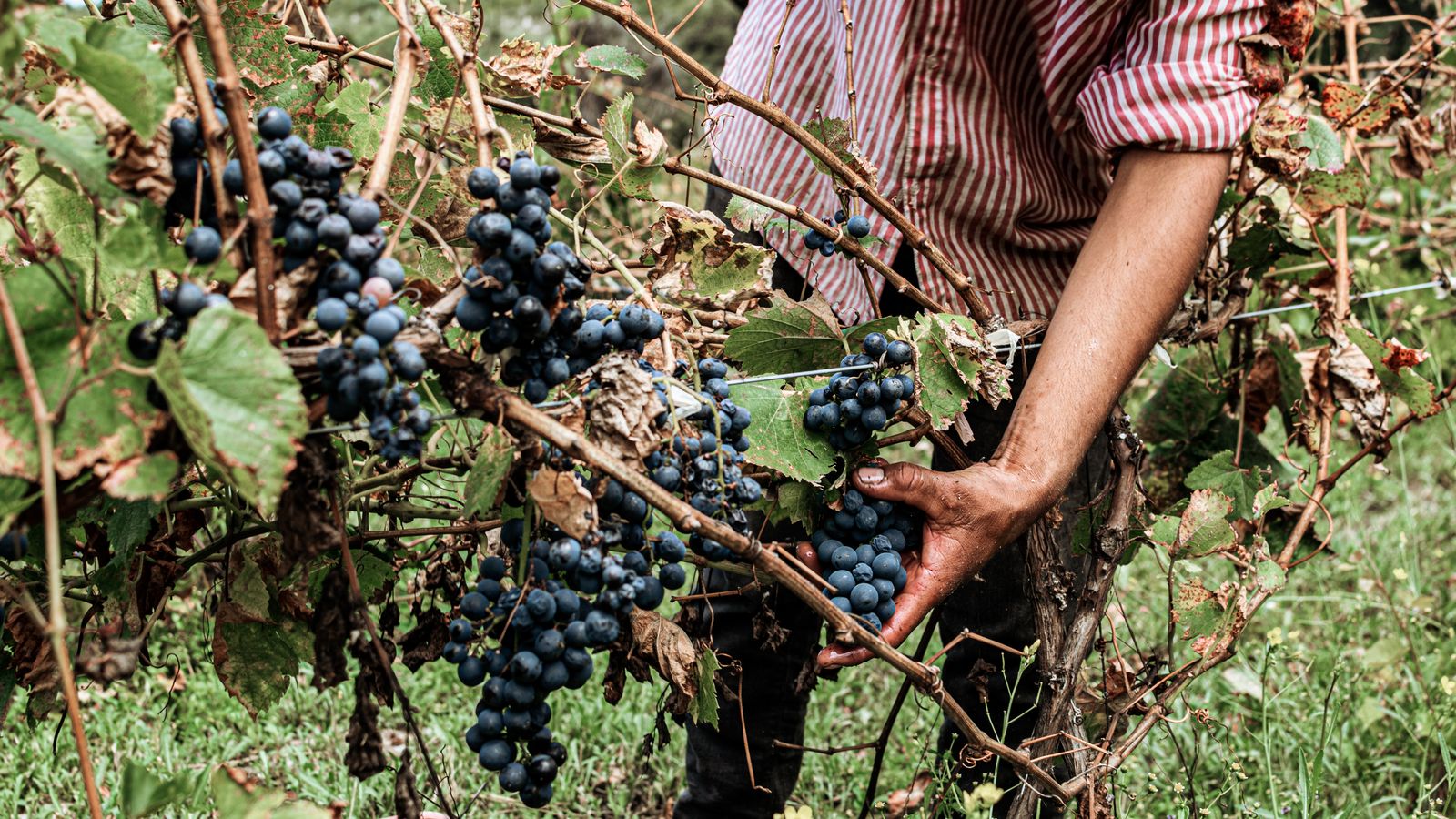
Armand Heitz also stands out for his commitment to more environmentally friendly viticulture, using disease-resistant grape varieties that require fewer treatments. "The most organic viticulture possible is the use of these grape varieties," he explains. For him, the search for more resistant grape varieties is essential, as it reduces the reliance on chemical treatments and promotes more autonomous and sustainable viticulture.
The use of resistant grape varieties, according to Armand, could transform viticulture by reducing the number of necessary interventions while ensuring quality wines. He also emphasizes that sustainable viticulture should not be synonymous with extra work for winemakers, but rather a smarter approach that respects natural cycles.
A Passionate Winemaker's Journey
Armand Heitz's journey is also a story of passion. "I've really trained my palate," he confides, referring to his training as a taster, which allowed him to better understand the subtleties of wine and refine his own approach to winemaking. But, beyond simple tasting, he had to decide what type of wine he wanted to produce for the estate. "I had to decide what kind of wine I liked to set a course," he explains, emphasizing that his vision of wine has evolved over time.
The Agri-food Industry and the Disconnect Between Producer, Chef, and Consumer

One of the most interesting points of the interview concerns the growing disconnect between producers, chefs, and consumers in the agri-food sector. Armand notes that, while Burgundy is sought after internationally and its wines are found on the world's best tables, the connection with meat production is often neglected. "I find that grapes are respected more than animals," he emphasizes, deploring how the agri-food industry has severed the ties between the source of products and their final consumption.
Armand highlights a fundamental problem: the lack of recognition for the work of meat producers, who, he believes, deserve similar respect to that given to winemakers. This debate raises questions about how we perceive the origin of our food and the responsibility that falls on each link in the production chain.
The Tasting: A Subtle and Delicious Wine
The episode concludes with a tasting of a wine that perfectly illustrates Armand Heitz's approach: "It's delicate and at the same time delicious." During this tasting, Armand describes a wine whose nose is at once fermentative, delicious, brioche-like, and toasted. He evokes a sense of finesse, but with an aromatic complexity that makes it an interesting and unique experience.
The wine in question is not characterized by intense aromas like those of a Sauvignon or a Chenin, but by a subtlety that invites discovery. This subtle profile is the result of meticulous work in the vineyards and Armand's desire to produce wines that are at once balanced, respectful of the land, and of great finesse.
Conclusion: An Engaged and Inspiring Vision
This episode with Armand Heitz is a true invitation to rethink viticulture from a more sustainable and environmentally friendly perspective. His commitment to agronomy, the use of resistant grape varieties, and his vision for a more nature-friendly viticulture make him a winemaker to watch. With his energy and passion, Armand reminds us that every bottle of wine is the result of hard work, a deep connection with the land, and a constant search for balance.
We invite you to listen to this fascinating episode on the YouTube channel d'Oeni to discover Armand Heitz's vision for the future of viticulture and sustainable agriculture.
Good to know:
The best way to get better at tasting is to write down what you taste: colour, nose, palate, and above all what you thought of it. Over time, your notes reveal your preferences far better than any guide. In Oeni, every bottle in your cellar has its own tasting sheet, ready to fill in within seconds.