Summarize this article with
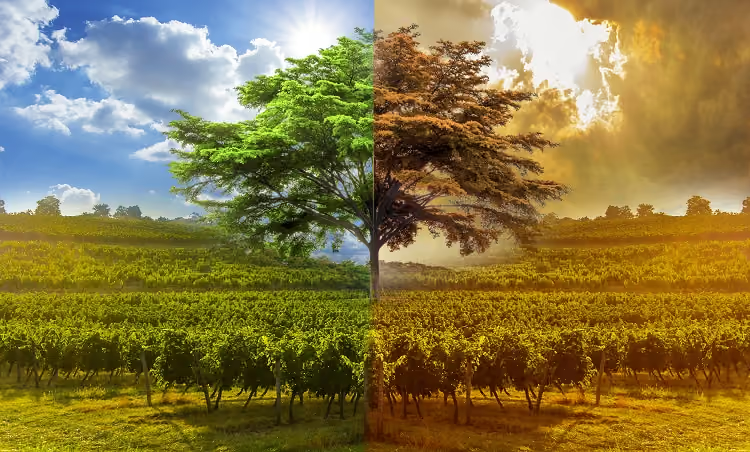
Climate change is profoundly reshaping global viticulture. Winegrowers have to adjust their methods to preserve quality and production. This shift brings major technical, environmental, and economic decisions.
If you’re interested in articles about the world of wine, download our app on iOS or Android. It gives you access to our wine glossary, our articles, and our innovative solution, designed for every wine consumer and collector.
Understanding the impact of climate change on the vine
Climate change is altering the vine’s growth cycle. Harvests are arriving earlier, with grapes that are richer in sugar. Longer droughts weaken the vines. In some regions, diseases spread faster. Adapting the vine requires constant observation and quick decisions.
Choosing grape varieties suited to new conditions
Winegrowers are testing grape varieties that are more heat-resistant. Some are introducing varieties that are less sensitive to water stress. This adaptation of the vines aims to maintain aromatic balance. Selection takes ripening time and disease tolerance into account. This strategy helps strengthen the vineyard’s resilience over the long term.
Adjusting vineyard practices for sustainable viticulture
Sustainable viticulture depends on careful water and soil management. Winegrowers use cover crops to protect the land. Mulching reduces evaporation and helps retain moisture. Organic amendments strengthen soil structure. These techniques improve the vineyard’s resilience in the face of drought.
Changing pruning and vine training methods
Adapting the vine also means pruning differently. Winegrowers choose training systems that better protect the clusters from the sun. Canopy height plays an important role in limiting heat. This management helps preserve acidity and avoid over-ripening.
Rethinking irrigation within a sustainable viticulture framework
In some areas, irrigation is becoming essential. Winegrowers are installing water-efficient drip systems. This practice fits into sustainable viticulture. It provides targeted watering to prevent water stress. Good planning helps the vineyard stay resilient during heatwaves.
Using technology to anticipate change more effectively
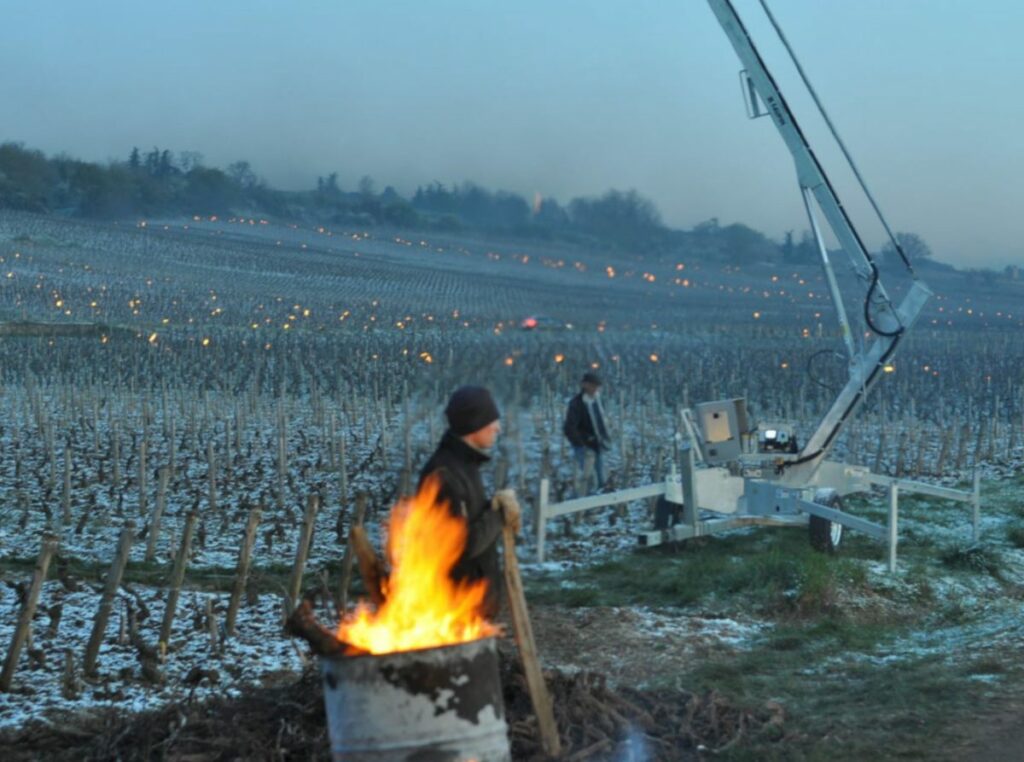
Connected tools help manage climate change. Weather stations monitor shifts in temperature and humidity. Sensors in the soil measure water availability. This data guides vine adaptation and reduces the risk of losses. Technology is therefore becoming part of sustainable viticulture.
Moving or replanting certain vineyards
In the hardest-hit regions, some growers are moving vines to cooler areas. This decision requires a precise analysis of climate and soil. This costly vine adaptation can save production. It reflects the determination to maintain vineyard resilience in the face of upheaval.
Relying on biodiversity for sustainable viticulture
Planting hedges, trees, or flowers between the rows encourages biodiversity. This approach strengthens the ecosystem around the vines. It limits disease and preserves beneficial natural allies. This method fits perfectly within sustainable viticulture and reinforces vineyard resilience.
Adjusting harvest dates and winemaking
Climate change is altering grape ripeness. Winegrowers sometimes bring harvest dates forward. This helps preserve balance between sugar and acidity. Vine adaptation also extends to winemaking, with methods that protect freshness.
Training and raising awareness among industry professionals
Vineyard resilience also depends on sharing knowledge. Training programs on vine adaptation are multiplying. Winegrowers exchange experiences at trade shows and technical meetings. This cooperation speeds up the adoption of sustainable viticulture practices.
If you enjoyed this article, don't hesitate to read the next one, "Why do some wines give you a headache?", which might interest you too!
Good to know:
The best way to get better at tasting is to write down what you taste: colour, nose, palate, and above all what you thought of it. Over time, your notes reveal your preferences far better than any guide. In Oeni, every bottle in your cellar has its own tasting sheet, ready to fill in within seconds.