Summarize this article with
Opening a beautiful bottle only to discover it’s corked is a disappointment for any wine lover. Understanding what a corked wine is, knowing how to recognize it, and reacting the right way can save a tasting.
What Is a Corked Wine?
A corked wine shows altered aromas and flavors caused by a chemical contaminant called TCA (trichloroanisole). It develops when cork comes into contact with certain chemicals or mold.
The Main Causes
- Contaminated corks: The main source of TCA comes from faulty corks.
- Storage issues: Poor bottle storage encourages this fault to appear.
- Production environment: Contaminated barrels or cellar spaces can also contribute to TCA development.
Impact on the Wine
TCA doesn’t make the wine harmful to your health, but it does affect its sensory qualities.
How Can You Recognize a Corked Wine?
Identifying a corked wine takes a little practice and attention to detail.
1. The Smell
The smell of cork is the clearest sign. It recalls damp cardboard, mildew, or an old basement.
2. The Taste
A corked wine tastes unpleasant, flat, and bitter. The wine’s usual aromas are masked.
3. The Color
Though less common, a corked wine may also show visual signs, such as a dull or unusual hue.
Steps to Confirm a Wine Is Corked
1. Let the Wine Breathe After Opening
After opening the bottle, let it breathe for a few minutes. If the corky smell lingers, there’s a strong chance the wine is faulty.
2. Do a Cross-Check
Compare your wine with an identical bottle. If one is sound and the other is corked, the problem is probably the cork.
3. Ask for a Second Opinion
Have someone else taste the wine to confirm your diagnosis.
What Should You Do If Your Wine Is Corked?
Discovering a corked wine is never pleasant, but you do have several options.
1. Return the Bottle
If you bought the wine recently, return it to the seller. Most wine shops accept returns of corked bottles.
2. Use a Filter
Special filters can reduce the effect of TCA, but they won’t eliminate the problem completely.
3. Reuse the Wine
Use a corked wine for sauces or marinades. Cooking often softens the fault.
4. Prevent the Problem in the Future
Invest in proper bottle storage and choose wines with synthetic corks or screw caps, which are less prone to TCA.
How Can You Prevent Cork Taint?
While it’s impossible to eliminate the risk of cork taint entirely, you can take a few precautions.
1. Store Your Bottles Properly
Proper bottle storage reduces the risk of spoilage. Keep a stable temperature (12-14 °C) and humidity around 70%.
2. Check the Corks
Inspect the corks when buying or opening a bottle. Signs of mold or discoloration may point to a problem.
3. Buy from Reliable Sources
Specialist wine shops and reputable domaines often have strict quality controls to avoid faulty corks.
Opening a Bottle: A Crucial Step
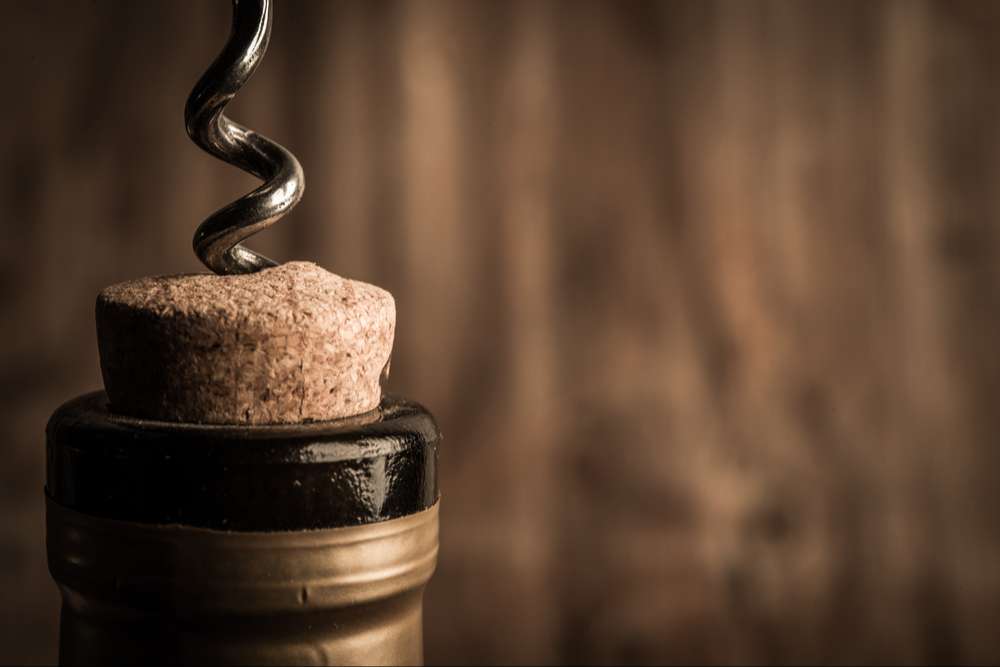
Opening a bottle may seem simple, but it affects the quality of the tasting.
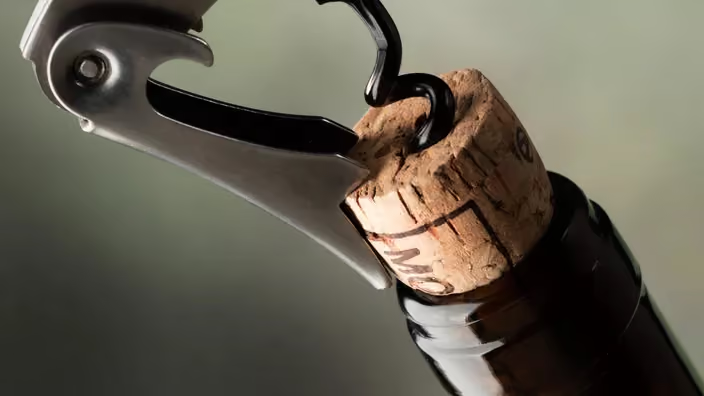
1. Use the Right Corkscrew
Choose a corkscrew that removes the cork without damaging it. Lever models or worm-style corkscrews are ideal.
2. Inspect the Cork
After opening the bottle, examine the cork. A cork in good condition should be supple, with no unusual smell or cracks.
3. Let the Wine Breathe
Aerating the wine after opening can help remove any unpleasant aromas caused by wine that’s too young or poorly stored.
Alternatives to Cork
1. Synthetic Corks
These corks, made from plastic materials, eliminate the risk of TCA.
2. Screw Caps
Wines with screw caps offer effective storage and completely avoid cork taint.
3. Recent Innovations
Some producers are exploring alternatives such as glass closures, which combine style and practicality.
The Importance of Bottle Storage
Good storage extends the life of your wines and limits the risk of problems.
1. Temperature and Humidity
Keep a steady temperature and suitable humidity to avoid cork damage.
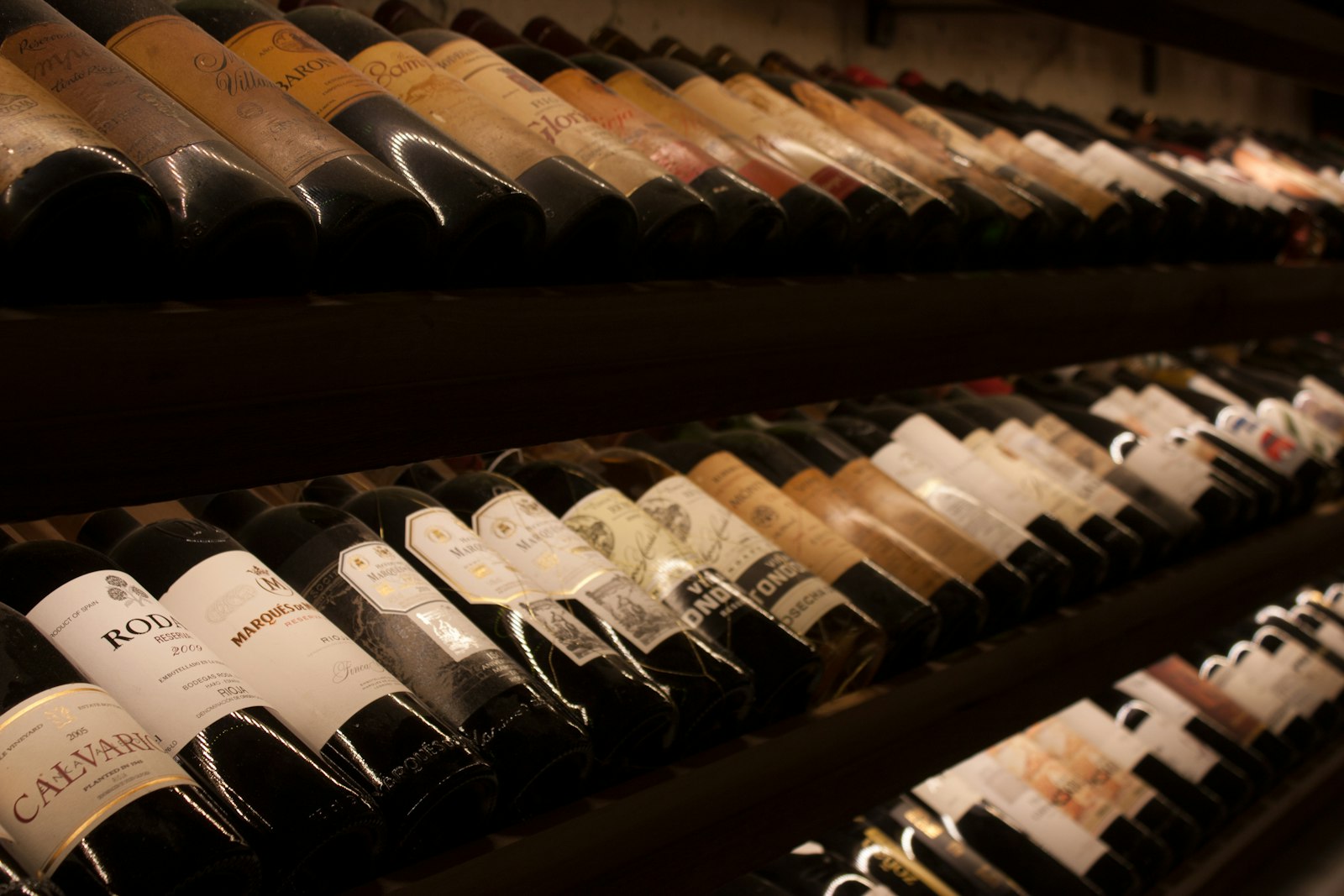
2. Bottle Position
Store your bottles on their sides to keep the corks moist and prevent them from drying out.
3. Avoid Vibrations
Vibrations disrupt wine aging and can harm its long-term quality.
Conclusion
Knowing how to recognize a corked wine and react effectively is essential for any wine lover. With proper bottle storage and extra care when opening a bottle, you reduce the chances of running into this problem. If in doubt, don’t hesitate to exchange the bottle or find creative ways to use it differently.
If you enjoyed this article, don't hesitate to read the next article, "The Best Organic Wines to Add to Your Collection", which may also interest you!
Good to know:
The best way to get better at tasting is to write down what you taste: colour, nose, palate, and above all what you thought of it. Over time, your notes reveal your preferences far better than any guide. In Oeni, every bottle in your cellar has its own tasting sheet, ready to fill in within seconds.