Summarize this article with
Choosing the right moment to open a bottle isn’t always easy. Yet it’s essential if you want to enjoy a wine at its best. Drink a wine too young and it can disappoint; wait too long and its flavor may fade.
If articles about the world of wine interest you, download our app on iOS or Android. It gives you access to our wine glossary, our articles, and our innovative solution, designed for every wine consumer and collector.
Understanding wine drinking maturity: a delicate balance
Every wine follows a life cycle. It’s born, evolves, reaches its peak, then slowly declines. Wine drinking maturity is that ideal window when the aromas fully come into their own. At this stage, the tannins soften, the flavors come together, and the texture becomes rounder.
However, not all wines age well. Some are made to be enjoyed young. A Beaujolais Nouveau, for example, gains nothing from waiting. By contrast, a great Bordeaux may need several years before it reveals all its depth.
Reading the label: a first clue
The label gives you useful information to help decide whether a wine should be drunk now or kept. The vintage year remains a key indicator. The older the vintage, the more you need to ask: has the wine reached its wine drinking maturity?
But that’s not enough. The domaine name, appellation, and grape variety also help you assess aging potential. A wine from a terroir known for age-worthy wines has a better chance of developing beautifully.
Knowing which wines to cellar and which to open
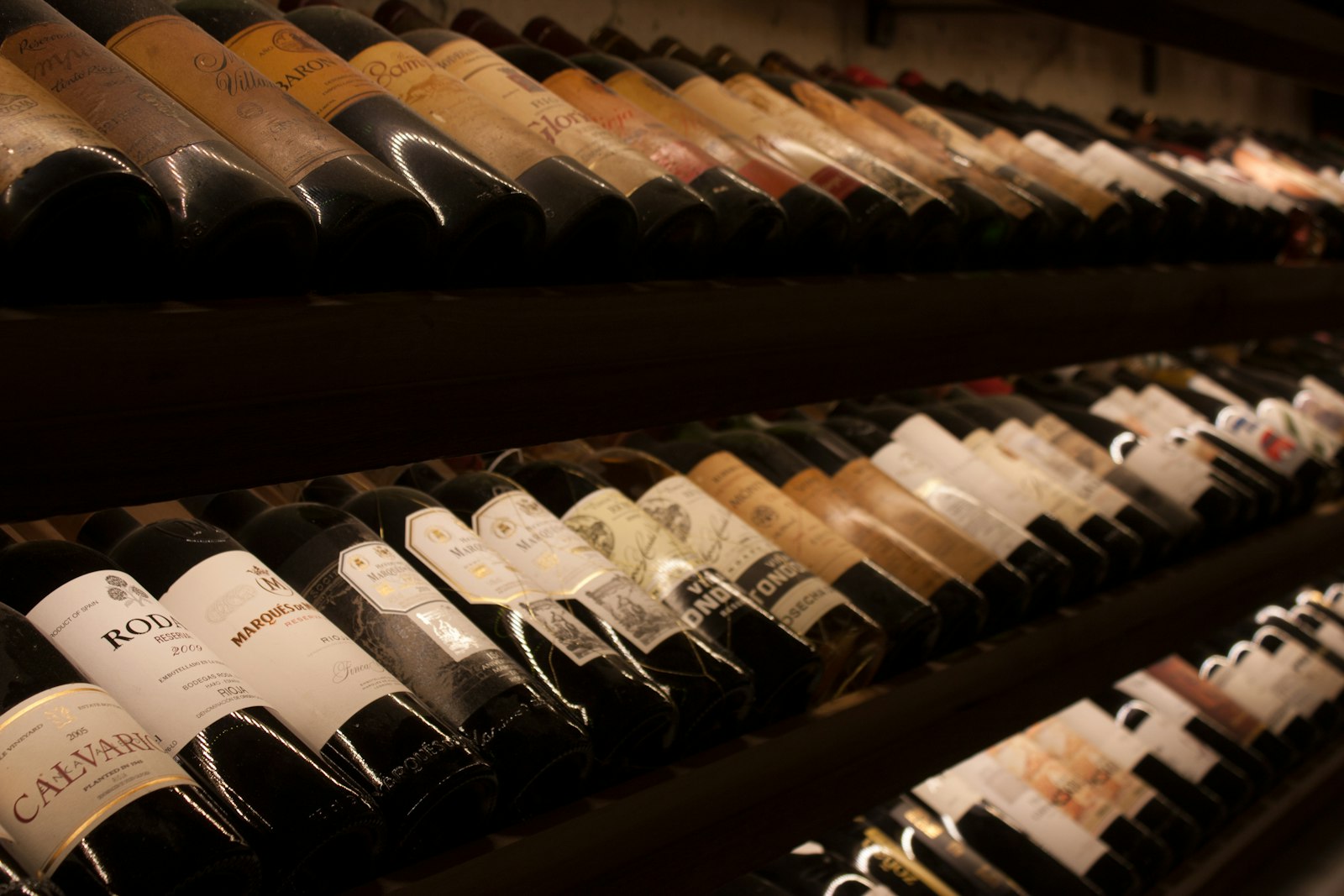
Some wines are better kept. That’s the case with powerful reds rich in tannins, such as Bordeaux, Barolo, or Rioja Reserva. These bottles can often wait ten years or more.
Others, by contrast, are best enjoyed young. Crisp whites like Muscadet or Loire Sauvignon show their freshness in the first few years. Waiting too long means losing that vibrancy.
The role of grape variety in aging
Each grape variety evolves differently. Cabernet Sauvignon improves with time. It develops notes of leather, forest floor, and remarkable complexity. Pinot Noir, more delicate, can age beautifully but remains sensitive to storage conditions.
Riesling, on the white side, has impressive aging potential. It can mature for decades and reveal surprising aromas. By contrast, a light Chardonnay is best enjoyed in its youth.
Using a cellar management tool
With several bottles, it becomes hard to track each one’s evolution. A cellar management tool lets you record dates, grape varieties, and aging forecasts. That way, you won’t lose a bottle to forgetfulness.
Some tools automatically tell you whether a wine is ready to drink or should be kept. They cross-reference the vintage, domaine, and appellation to offer a precise recommendation. It’s a valuable asset when planning which bottle to open.
Tasting a sample to get a clearer idea

If you have several bottles of the same wine, open one. It lets you taste its evolution and adjust your timing. You can then decide to drink it soon or wait a few more years.
Take notes on what you notice: color, aromas, texture. It sharpens your tasting memory and helps you understand your wines more deeply.
Spotting the signs of evolution
Several clues help you estimate a wine’s drinking maturity. Color changes over time. A red wine moves from purple to ruby, then to brick. A white shifts from pale yellow to gold, then to amber.
The aromas change too. A young wine often smells of fresh fruit. As it ages, it reveals notes of leather, truffle, honey, or spice. These tertiary aromas often show that the wine has reached its ideal stage.
Don’t overlook storage conditions
A well-stored wine ages better. It needs a stable temperature, around 12°C, enough humidity, and no direct light. Poor storage can speed up oxidation, even if the wine had strong potential.
So if you don’t have the right storage conditions, it’s better to focus on wines meant for early drinking. That limits the risk of spoilage.
Advice from producers and guides
Many producers give precise guidance on the ideal drinking window. Check the technical sheets or ask when you buy. They know how their wine evolves.
Wine guides also often indicate whether a wine should be drunk now or kept. That’s a solid starting point for guiding your choices.
Trusting your own palate
In the end, your own taste is what matters. Some people prefer wine young, while others love more evolved notes. Try the same wine at different stages and see what you enjoy most. Experience sharpens your preferences and makes future decisions easier.
Over time, you’ll get better at managing wine drinking maturity, choosing which bottle to open, and naturally learning when to drink or cellar wine according to your own style.
If you enjoyed this article, don’t hesitate to read the next one, "What role do connected devices play in personal winemaking?", which may also interest you!
Good to know:
The best way to get better at tasting is to write down what you taste: colour, nose, palate, and above all what you thought of it. Over time, your notes reveal your preferences far better than any guide. In Oeni, every bottle in your cellar has its own tasting sheet, ready to fill in within seconds.