Summarize this article with
Hosting a wine tasting at home is a convivial and rewarding experience. With thoughtful preparation, you can surprise your guests and explore a range of flavors.
Create an Atmosphere That’s Right for Tasting
The atmosphere plays an important role in the success of your tasting. Choose a quiet, well-lit room. Opt for a simple table with white tablecloths so you can clearly see the color of the wines. Avoid perfumes or candles that could interfere with the aromas.
Set up a dedicated space for the bottles, glasses, and accessories such as a corkscrew and spit buckets. Make sure your bottles are properly stored before the event thanks to good wine cellar management. A stable temperature and proper storage help bring out the best in each bottle.
Select Wines for a Varied Tasting
Offer a coherent selection of wines. You can explore a specific theme such as a region, a grape variety, or different styles. For example, a tasting of Burgundy wines lets you compare high-quality whites and reds.
Take your guests’ preferences into account, but don’t hesitate to include a few original discoveries. Also think about matching the bottles to the food and wine pairings if you’re serving appetizers or specific dishes.
Prepare the Bottles in Advance
The bottles should be prepared several hours before the tasting. Check that each wine is at the right temperature. Whites and rosés are best served chilled, around 50 °F to 54 °F, while reds benefit from being served slightly cool, between 61 °F and 64 °F.
If you host tastings regularly, good wine cellar organization helps you keep your bottles in ideal conditions at all times.
Open red wines a few minutes before the tasting so they can breathe. For more complex wines, consider using a decanter to release their aromas.
Provide the Right Tasting Tools
Use suitable glasses, preferably tulip-shaped glasses that concentrate the aromas. Plan on one glass per wine, or glass rinsers if you don’t have enough. Set out a notebook or tasting sheets so your guests can jot down their impressions of each wine.
Accessories such as wine thermometers or pourers help keep the tasting smooth and professional.
Plan Food and Wine Pairings
A successful tasting can include food on the side. These food and wine pairings reveal new facets of the wines you’re tasting.
Offer simple appetizers that don’t overpower the wines’ aromas. Cheese, plain bread, or dried fruit are all good choices. Try to vary the flavors so they suit each type of wine.
If you’re serving a dry white wine, go for oysters or crisp vegetables. Light red wines pair beautifully with cured meats or poultry.
Lead the Tasting to Engage Your Guests
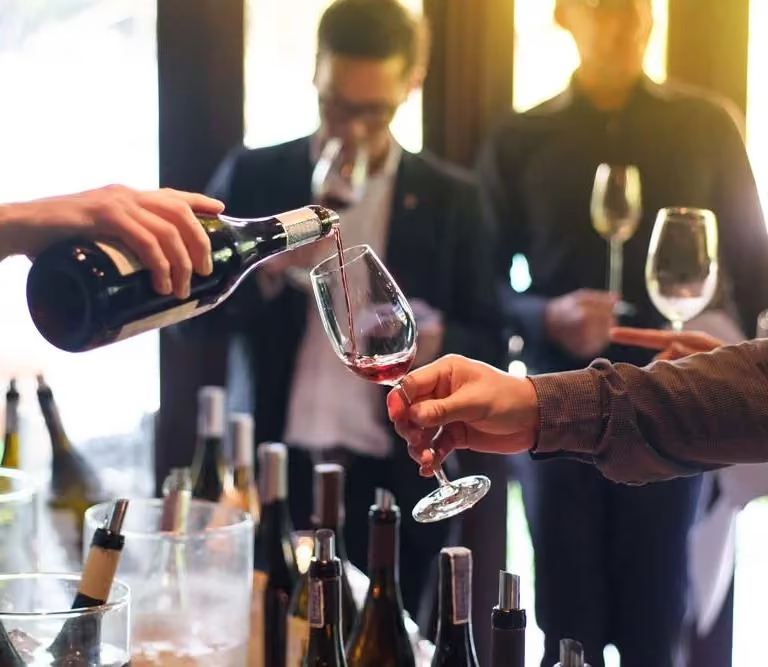
Explain the key steps of the tasting to your guests, especially if they’re not used to it. Guide them to look at the appearance, smell the aromas, and finally taste the wine. Ask questions to encourage conversation, such as “What aromas do you pick up?” or “What’s your impression of the acidity?”
You can structure the tasting around specific themes to give the event a clear framework. For example, compare different vintages of the same grape variety to note the variations brought by aging.
Use Wine Cellar Management for a Successful Tasting
Good wine cellar management makes organizing your tasting much easier. Use software or an app to inventory your bottles, track their vintages, and know when they reach their peak drinking window.
If your collection grows, good wine cellar organization helps you find each bottle easily. Sort them by region, grape variety, or year to make selection simpler for events.
Add a Personal Touch to Your Tasting
Create a unique experience by adding personal touches. Offer a small booklet about the wines you’re tasting or share anecdotes about their origins. If possible, include a surprise wine to end the tasting on an unexpected note.
Avoid Common Mistakes During a Tasting
- Don’t serve too many wines. Limit yourself to 5 or 6 bottles so you don’t overwhelm the palate.
- Don’t forget to provide water for rinsing glasses and staying refreshed between tastings.
- Don’t force your guests to spit if they’d rather enjoy the wines, but offer spit buckets for those who want them.
Conclusion
A wine tasting at home is the perfect opportunity to share a convivial and educational moment. By choosing your wines carefully, planning food and wine pairings, and using good wine cellar organization, you offer your guests a memorable experience.
If you enjoyed this article, feel free to read the next one, “Better Understand the Grape Varieties in Your Favorite Wines,” which may also interest you!
Good to know:
The best way to get better at tasting is to write down what you taste: colour, nose, palate, and above all what you thought of it. Over time, your notes reveal your preferences far better than any guide. In Oeni, every bottle in your cellar has its own tasting sheet, ready to fill in within seconds.