Summarize this article with
Organizing a successful event calls for close attention to every detail, especially when it comes to wine. Whether you're planning a wedding, a birthday, a cocktail party, or a corporate dinner, choosing the right bottles and creating a tailored wine list makes all the difference.
If articles about the world of wine interest you, download our app on IOS or Android. It gives you access to our wine glossary, our articles, and our innovative solution, designed for all wine consumers and collectors.
Define the Type of Event
Before putting together a wine list, you need to understand the spirit of your event. Is it a seated dinner? A standing buffet? A themed tasting? A casual aperitif with friends? Each format calls for a different approach.
A wedding calls for several wines: aperitif, starter, main course, dessert. A cocktail party may only need two versatile bottles. Wine event planning depends heavily on the mood you want to create and the flow you have in mind.
Know Your Audience
Your wine selection needs to appeal to your guests. There's no point bringing out rare bottles if most people prefer simple, fruit-forward wines. Keep general preferences in mind: light reds, dry whites, sparkling wines?
Also think about any restrictions: intolerances, pregnancy, religious beliefs. In the world of wine event planning, it's better to provide a non-alcoholic wine or gourmet juices for certain guests.
Set a Realistic Budget
Your budget shapes the entire wine selection. Set a total amount, then divide it according to the number of bottles you'll need. Plan on about one bottle for three people at aperitif time, and one bottle for two people during the meal.
You can create a beautiful wine list without breaking the bank. Lesser-known domaines or appellations can offer excellent value for money. A wine merchant can point you toward bottles that fit the brief.
Pair Wine and Food
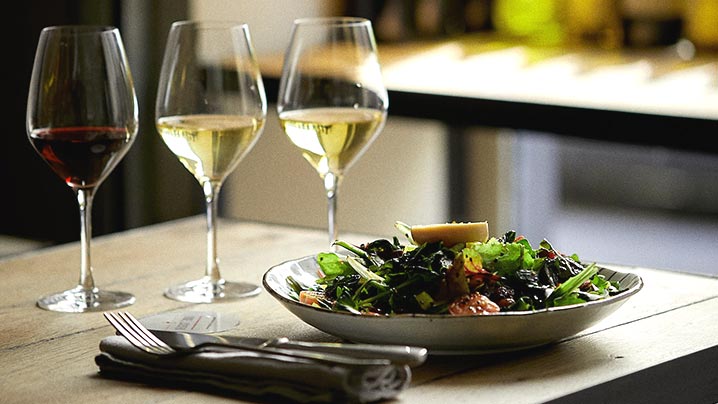
Food and wine pairing remains essential. A good wine selection should work with the menu. If the main dish is chicken in a sauce, go for an oaked white or a light red. For a cut of beef, a structured wine is the way to go.
Talk to the caterer or chef. Ask for the full menu details. That way, you can build a coherent wine list that lifts the flavors without overpowering the plate.
Offer a Reasonable Variety
No need to offer twenty. A wine list that's too long will lose your guests. Three to five bottles are enough for a private event. For example: a sparkling wine, a white, a red, and a sweet or luscious wine.
Prioritize quality over quantity. Each wine should have its place and purpose. A strong wine selection is about precision, not exhaustiveness.
Think About the Serving Order
In wine event planning, serving order shapes perception. Start with lighter wines, then move up in intensity. Serve whites before reds, dry wines before sweet ones, young wines before older ones.
Following this progression helps avoid palate fatigue. It also lets each wine shine at exactly the right moment. The wine list becomes a sensory thread running through the event.
Add a Local or Personal Touch
A wine from your home region. A cuvée you tasted while traveling. A domaine you met in person. These choices tell a story. They make the wine list unique and memorable.
Wine event planning can then become an extension of your identity or your story. You create a stronger connection with your guests around a carefully chosen wine selection.
Prepare Tasting Cards
To guide your guests, consider presenting the wines with small cards. Include the name, origin, grape variety, vintage, and a short description. Add a personal note or anecdote.
This extra touch enriches the experience. It gives the bottles more presence. The wine list becomes an educational and welcoming tool, accessible to every level of knowledge.
Work with a Wine Merchant or Sommelier
If you're unsure, call in a professional. They'll help you put together the ideal wine selection. Some offer tailor-made packages for wine event planning, with delivery and collection of unopened bottles.
A good partner can also handle service on the day of the event. They'll keep an eye on temperatures, the right glassware, and the pace of tasting. Your wine list will be showcased in the best possible conditions.
Plan Ahead Logistically
Order your wines at least two weeks before the event. Store them in a cool place. Prepare ice buckets, corkscrews, and glasses. Don't forget water, which is essential alongside your wine selection.
If you're hosting the event outdoors, check transport and service options. Wine event planning takes a bit of organization to ensure everything runs smoothly and successfully.
Offer a Tasting Moment
For a more intimate format, you can organize a guided tasting. Each wine is presented, tasted, and discussed. It turns the wine list into a true shared sensory experience.
Add a few matching appetizers. Encourage conversation. Wine event planning then becomes a moment of discovery, exchange, and shared pleasure.
If you enjoyed this article, don't hesitate to read the next one, "The Most Famous Châteaux in the Wine World", which may also interest you!
Good to know:
The best way to get better at tasting is to write down what you taste: colour, nose, palate, and above all what you thought of it. Over time, your notes reveal your preferences far better than any guide. In Oeni, every bottle in your cellar has its own tasting sheet, ready to fill in within seconds.